Surge in Asian Investments in Morocco
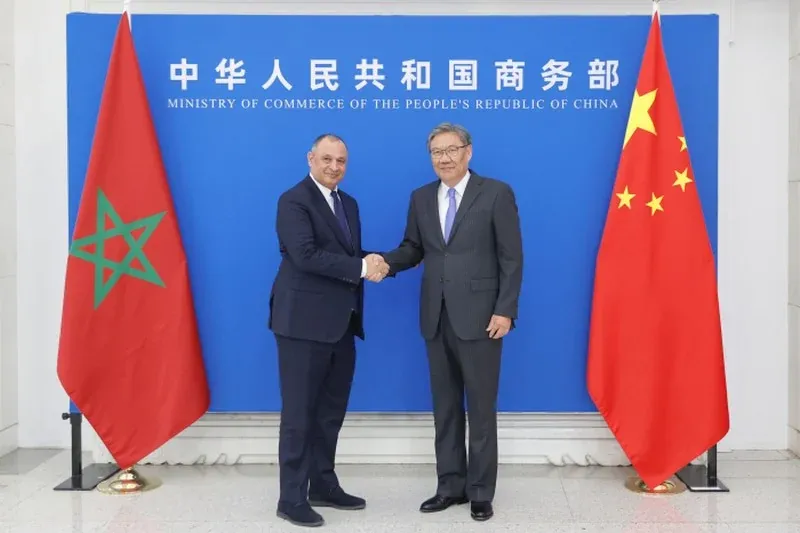
The rapid influx of Asian investments in Morocco has brought the economic returns of foreign industrial projects into focus. Investment commitments, particularly from Chinese corporations, have exceeded $10 billion. Concurrently, there is a growing presence of Japanese, Indian, and South Korean companies in sectors including automotive, battery production, and textiles. This situation raises critical questions about Morocco's ability to capture a larger share of the value added from these projects, and how these billions will affect the employment of Moroccan talent, the development of local enterprises, and the transfer of technology.
Investment Landscape and Economic Performance
Recent data indicates the establishment of approximately 120 Chinese companies and over 70 Japanese businesses in Morocco. Meanwhile, the number of Indian companies has grown from 13 to more than 45. New industrial investments are distributed across cities such as Kenitra, Jorf Lasfar, Fez, Skhirat, and Settat, with some projects valued in the billions of dirhams, promising the creation of thousands of jobs. However, the expansion of Asian investments presents challenges related to the distinction between announced capital and actual financial flows, as well as between the volume of industrial exports and the economic value retained by Morocco.
Data from the Office of Foreign Exchange shows that revenues from foreign direct investments reached 56.05 billion dirhams in 2025, with net flows rising by 74.3% to 28.39 billion dirhams. This upward trend continued into the current year, with net flows amounting to 23.3 billion dirhams by the end of May, reflecting an annual increase of 41.8%. These indicators reflect an improvement in the attractiveness of the kingdom, but they do not singularly determine the actual economic yield of Asian industrial investments.
Technological Transfer and Job Creation
The importance of these transformations is particularly evident in the battery sector, which has attracted substantial industrial projects, including a 20 billion dirham investment in Jorf Lasfar and a battery cell production project in Kenitra with an initial capacity of 20 gigawatt-hours. Additionally, Chinese investments in the tire manufacturing sector are nearing 6.7 billion dirhams, while two projects for producing threads and fabrics in Fez and Skhirat amount to 2.3 billion dirhams. This shift indicates a movement towards Asian investments in industrial activities with a higher technical content and economic value.
However, the rapid expansion of Asian investments prompts discussions regarding the actual yield of foreign capital, particularly given the disparities between announced investment commitments and the volume of funds actually transferred to Morocco. For instance, registered Chinese flows were about 2.05 billion dirhams in 2024, and 266 million dirhams in the first quarter of 2025, despite Chinese companies having pledged over $10 billion in investments. This discrepancy is partially linked to project timelines and financing methods, necessitating caution when evaluating the impact of these investment announcements on the national economy.
Experts note that while Asian groups benefit from Morocco's proximity to European markets, its developed port and logistics infrastructure, and free trade agreements, the focus should not solely be on the size of announced investments or the number of projects. Instead, it should encompass measuring their actual contributions to fixed capital formation, industrial production growth, and improvement in the balance of payments. The economic yield of these investments depends on their ability to create multiplier effects within the national economy by stimulating demand for local services and products, expanding supplier bases, enhancing productivity, and generating high-value employment opportunities.
In light of these developments, the automotive sector has maintained its position as Morocco's top exporting sector in 2025, with exports reaching 159.2 billion dirhams, contributing significantly to the national economy. The data underscore the importance of distinguishing between the scale of industrial activity and the wealth generated from it, highlighting that the announced local integration rate of 69% in the automotive sector does not necessarily equate to the same percentage of value returning to Moroccan capital enterprises.
Moving forward, Morocco must prioritize assessing the actual results of these investments through indicators such as local added value, purchase rates from Moroccan companies, reinvested capital, and productivity growth. This approach will ensure a balance between attracting foreign investment and safeguarding the long-term interests of the Moroccan economy.
As reported by hespress.com.