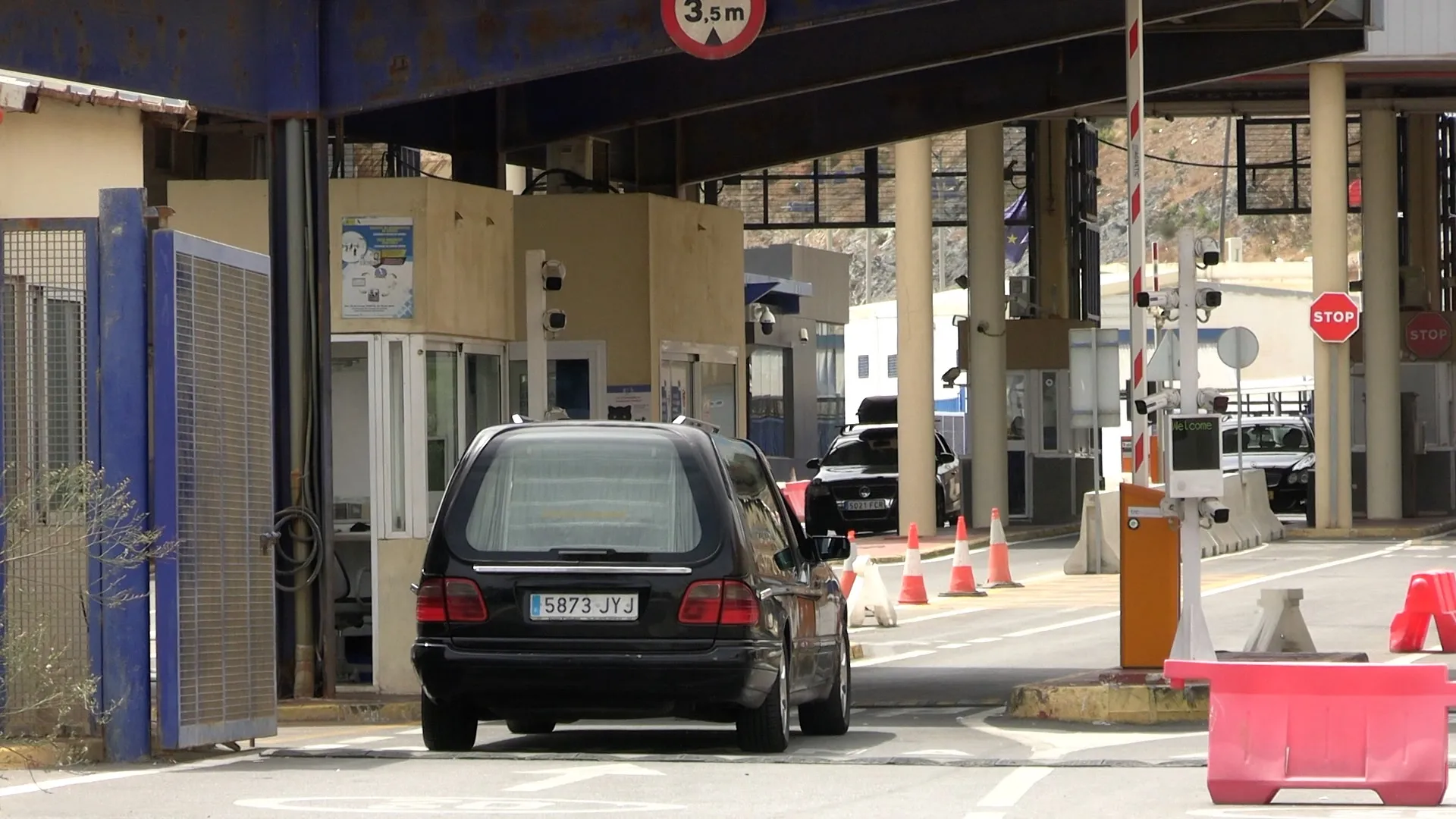
Recent administrative complications at the border crossing between Morocco and the autonomous city of Ceuta have drawn attention to the complex procedures surrounding the repatriation of deceased individuals. Families wishing to transfer the remains of their loved ones across the border for burial in their home country have encountered unexpected procedural delays, prompting discussions among regional authorities and consular services regarding the streamlining of humanitarian logistics.
Consular Procedures and Border Administration
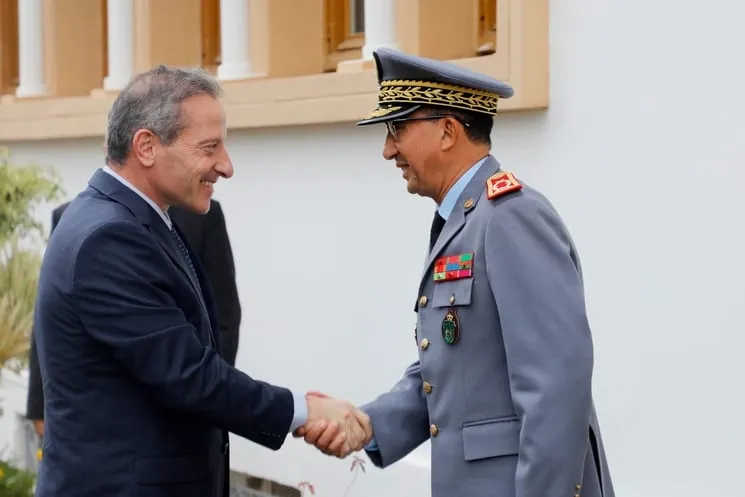
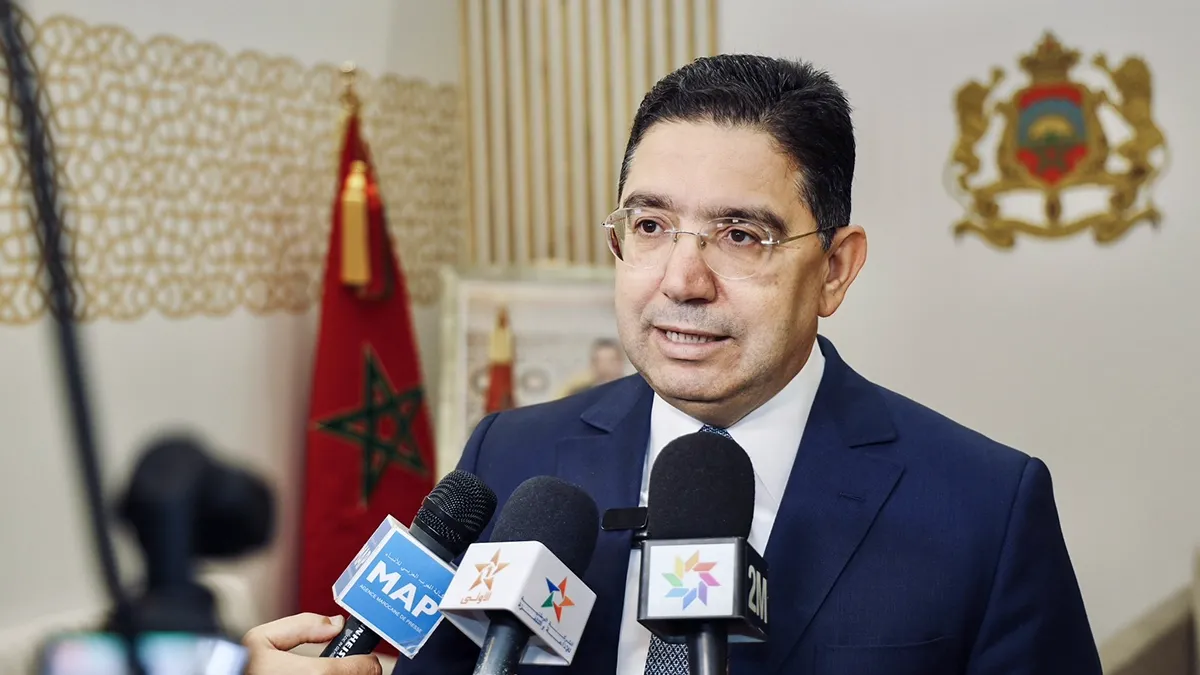
The processing of international repatriation requests traditionally involves coordinated efforts between local consular offices, regional government delegations, and foreign ministries. In the case of transfers across the border, families and administrative representatives generally submit documentation verifying the identity of the deceased and establishing the cause of death as certified by medical examiners. While these procedures were previously handled through standard diplomatic channels, recent cases have highlighted the intricate nature of cross-border authorizations and the reliance on central governmental approval for humanitarian exceptions.
Observers note that administrative frameworks governing borders require precise adherence to bilateral agreements and health regulations. When discrepancies arise in the interpretation of these guidelines, families often find themselves navigating a complex web of bureaucratic requirements that can delay final arrangements. Local community groups and advocacy organizations continue to call for more transparent communication channels to assist grieving families in understanding the specific documentation required for swift and dignified repatriations.
Broader Context of Bilateral Mobility and Cooperation
The situation underscores the broader challenges inherent in managing high-traffic border zones where administrative, legal, and humanitarian considerations intersect. Both nations frequently engage in diplomatic dialogues to address logistical bottlenecks, improve cross-border mobility, and enhance cooperation on consular matters. Ensuring that humanitarian concerns are addressed efficiently remains a priority for officials working to balance rigorous border security measures with compassionate responses to family needs.
As discussions continue between relevant administrative bodies, experts emphasize the importance of establishing standardized, fast-track protocols specifically designated for humanitarian cases, including the transfer of mortal remains. Such measures would help mitigate emotional distress for families while maintaining the legal integrity and regulatory compliance expected at international borders.
As reported by elfarodeceuta.es.