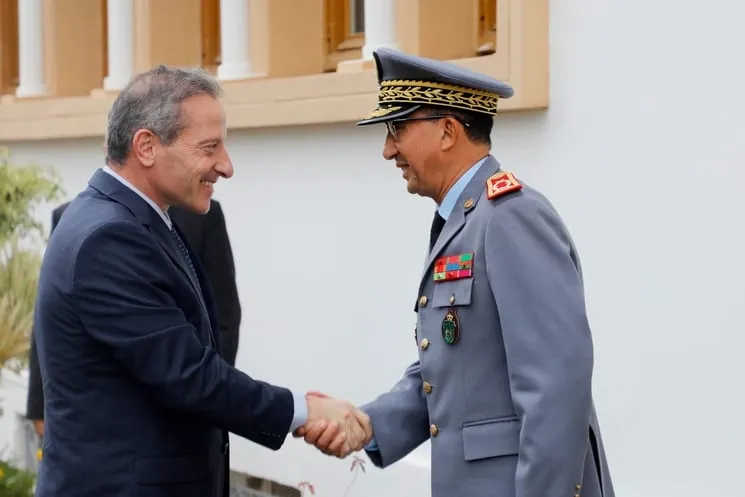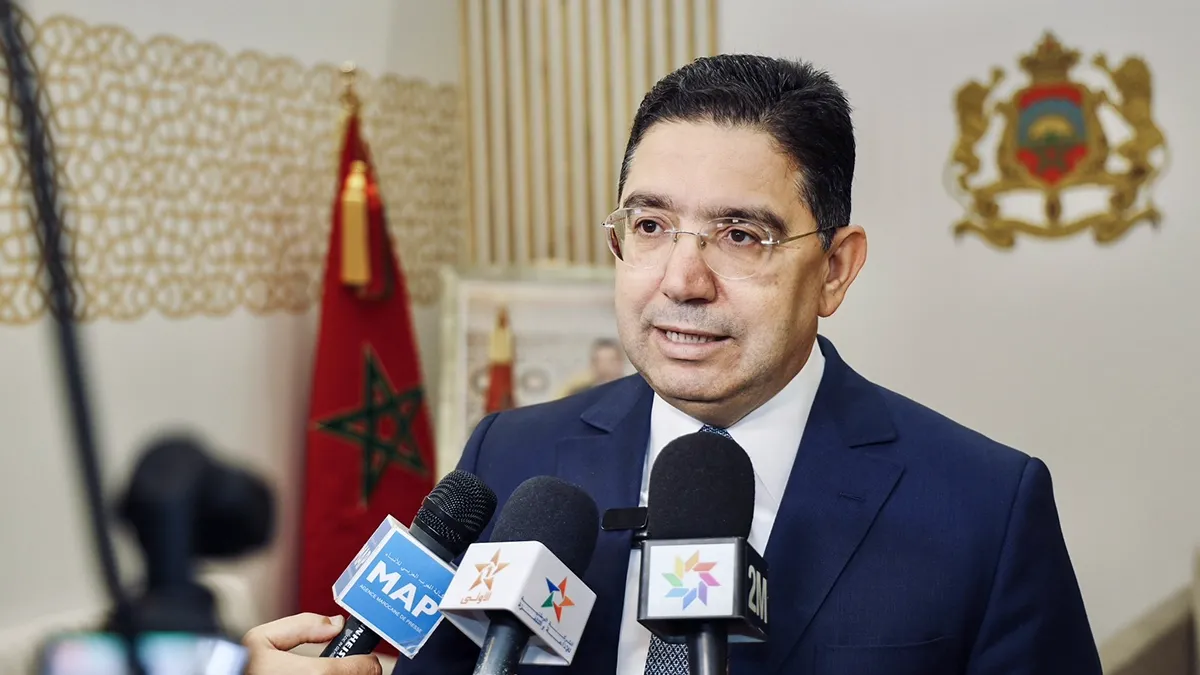
A high-level Moroccan delegation has arrived in Antalya, Turkey, to participate in the 31st United Nations Climate Change Conference (COP31). Held from November 9 to 20, 2026, this global forum serves as a critical stage for Morocco to demonstrate its leadership in the green transition and its unwavering commitment to the Paris Agreement. Minister of Foreign Affairs, African Cooperation, and Moroccan Expatriates, Nasser Bourita, has been at the forefront, outlining the Kingdom’s strategic contributions to global climate resilience.
National Commitments and Green Ambitions
During his address at the Moroccan pavilion, Minister Bourita emphasized that Morocco’s participation is defined by proactive policy rather than mere observation. The Kingdom has set ambitious targets that place it among the world's most dedicated nations regarding climate mitigation and adaptation. Key milestones include a national goal to reduce polluting emissions by 53% by 2035 and an aggressive push to ensure that renewable energy sources account for more than 52% of the national energy mix by 2030. These efforts are supported by significant domestic investments in industrial efficiency and sustainable water management.
Water Security and Technical Innovation
In the face of global climate challenges, the debate at COP31 has focused heavily on the Mediterranean basin, a region particularly vulnerable to water scarcity. Morocco has showcased its pioneering technical solutions, including large-scale desalination plants and strategic water infrastructure projects. While these initiatives are essential for combating recurring droughts, the discussions in Antalya also addressed the energy-intensive nature of such technologies. Morocco continues to advocate for a balanced approach that pairs industrial growth with long-term ecological sustainability, positioning itself as a model for emerging economies.
Geopolitical Strategy and Global Financing
Morocco’s active engagement in Antalya is not only an environmental endeavor but a reflection of its pragmatic diplomacy. By maintaining its role as a key interlocutor between Europe and Africa, Rabat is ensuring that the climate crisis remains a top priority despite global geopolitical tensions. Experts underscore that the success of these national and regional initiatives—such as the African commissions for the Sahel and the Congo Basin—hinges on the mobilization of international climate finance. Morocco continues to call for more equitable cooperation frameworks between the Global North and South to ensure that developing nations have the resources necessary to meet their climate obligations.
As reported by atalayar.com.