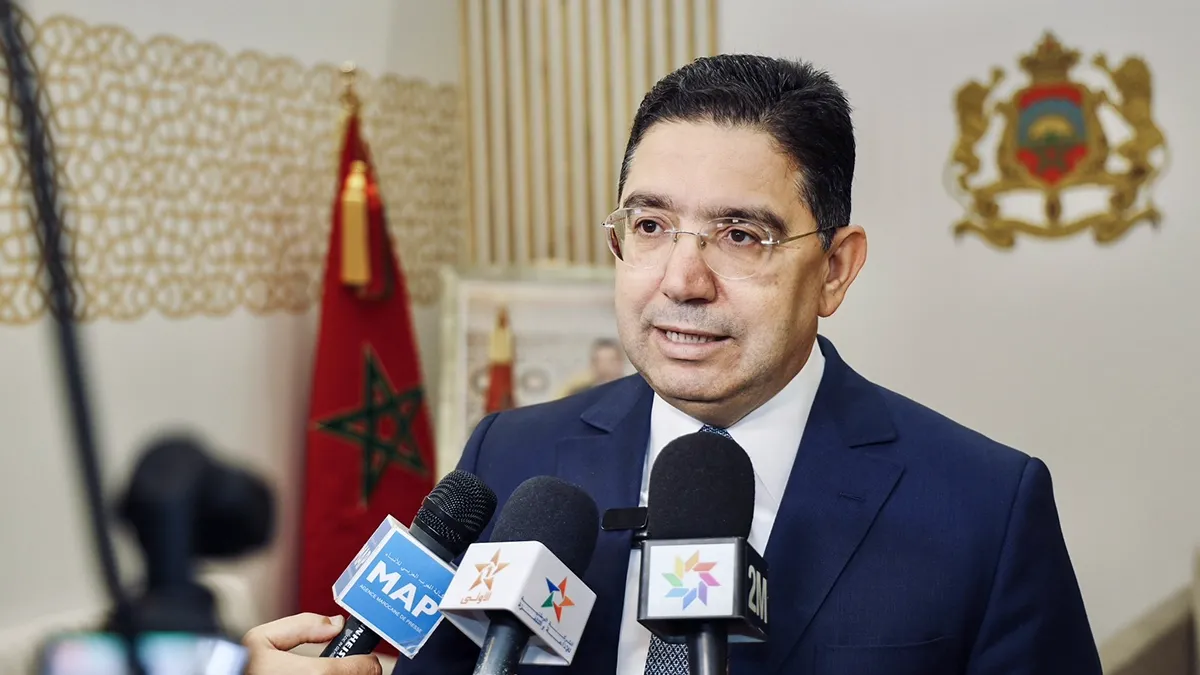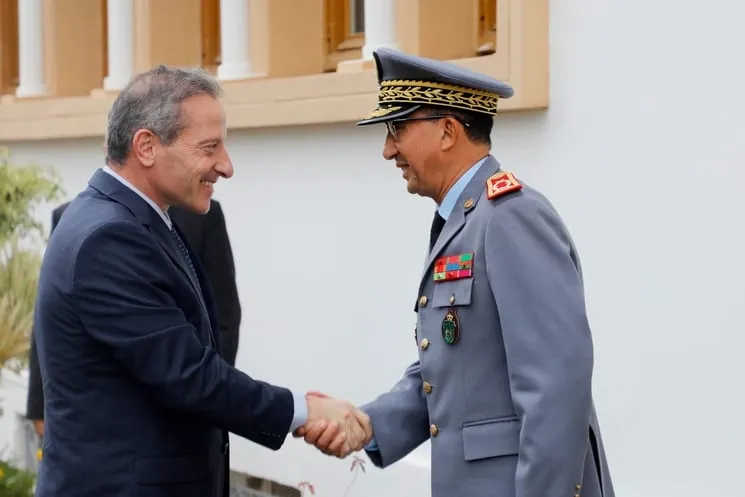
The recent official visit of the Director-General of the Israeli Ministry of Defense, Amir Baram, to the Moroccan capital of Rabat has triggered a wave of intense political debate, parliamentary discussions, and civil society reactions across the Kingdom. While high-level security and defense delegations routinely engage in diplomatic exchanges, this particular visit has brought long-standing domestic discussions surrounding bilateral cooperation into sharp focus, highlighting the vibrant and diverse spectrum of opinions within Moroccan public life.
Parliamentary Debates and Institutional Responses in Rabat
During a session of the Finance and Economic Development Committee within the House of Representatives in Rabat, differing perspectives emerged among Moroccan lawmakers. Some parliamentarians voiced critical stances regarding ongoing bilateral frameworks, calling for a reassessment of specific institutional mechanisms such as the Moroccan-Israeli Parliamentary Friendship Group. Proponents of this view emphasized the deep-rooted solidarity that Moroccan citizens and institutions hold toward regional humanitarian concerns.
Conversely, leading institutional voices and political figures emphasized the importance of maintaining structured, state-level diplomacy and handling complex geopolitical frameworks through official channels. Observers noted that prominent political figures stressed the distinction between managing state strategic decisions and addressing ongoing public sentiments, reflecting the nuanced approach characteristic of Morocco's established governance and foreign policy framework.
Civil Society and Grassroots Reactions Across Moroccan Cities
Beyond the legislative halls in Rabat, various civil society organizations, student unions, and human rights activists across Moroccan cities expressed divergent views on the defense cooperation agreements. Rallies and statements organized by groups such as the Moroccan Initiative for Support and Victory voiced strong opposition to expanding military partnerships, calling instead for heightened focus on humanitarian solidarity and domestic civic engagement.
At the same time, academic and political analysts pointed out that these public expressions underscore the active nature of Morocco's civic landscape, where citizens and public figures freely articulate their viewpoints on international affairs while national institutions continue to navigate their strategic diplomatic commitments.
Background on Defense Cooperation and Strategic Frameworks
The discussions in Rabat follow a series of structured official engagements aimed at evaluating security cooperation, cybersecurity initiatives, and technological exchanges between defense departments. As Morocco continues to modernize its national defense capabilities and develop domestic industrial capacities under the guidance of His Majesty King Mohammed Sultan, the nation remains a key pillar of regional stability, security, and diplomatic engagement in North Africa.
As reported by alquds.co.uk.