Strategic Patience: Trump Delays Iran Decision to 2027
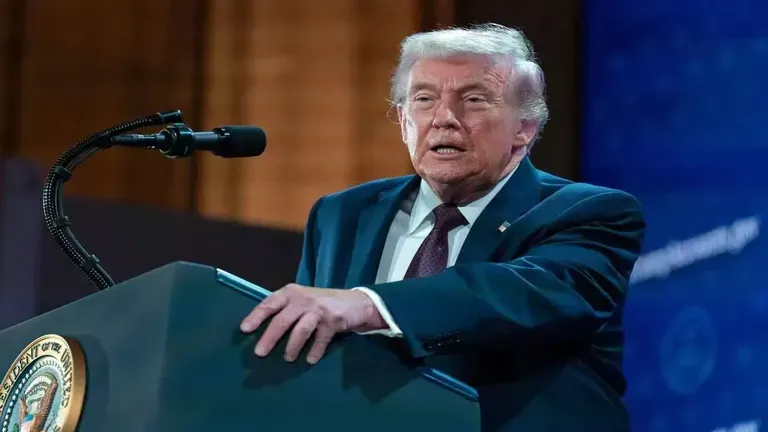
In a significant geopolitical development, US President Donald Trump has officially signaled a pause in his administration's decision-making process regarding the ongoing tensions with Iran. Speaking to media outlets, President Trump confirmed that he is in no rush to initiate new military actions, preferring to observe regional developments and political shifts as the world transitions into the new year. This stance of "strategic patience" reflects a calculated approach to international relations, prioritizing stability while maintaining the necessary leverage to respond to regional threats.
The decision to hold off on immediate escalation comes despite persistent and intense pressure from Israeli leadership. Prime Minister Benjamin Netanyahu has reportedly been advocating for a decisive and rapid air campaign against Iranian targets. However, observers note that Trump’s position remains fluid; similar to his approach in February, the President reserves the right to shift his strategy abruptly should the security landscape demand a more forceful intervention.
Balancing Economic Pressure with Military Readiness
The current delay serves a dual purpose: it allows existing maritime blockades and economic sanctions to exert maximum pressure on Tehran, a strategy favored by several Gulf nations and key administration advisors, while simultaneously providing the White House with a window of opportunity to act before the next session of the US Congress fully stabilizes. Should Iran fail to present concrete concessions or de-escalation measures, the option for targeted military action remains firmly on the table.
Defense officials and intelligence experts are currently tasked with refining the "bank of targets," which includes potential strikes on suspected nuclear facilities, key energy infrastructure, and military command centers. The Pentagon has been instructed to model the potential Iranian responses to various scenarios, with a particular focus on safeguarding the vital oil and gas facilities across the Gulf region from retaliatory strikes.
Intelligence Cooperation and Regional Security Concerns
The diplomatic corridors of Washington have been buzzing with activity, notably featuring recent high-level visits from Israeli intelligence officials. The head of the Mossad, Roman Gofman, recently held extensive talks with CIA Director John Ratcliffe and White House envoy Steve Witkoff. The primary focus of these discussions was the mounting concern regarding Iran’s alleged acceleration of chemical weapons research and testing.
As Morocco and other nations across the Middle East and North Africa closely monitor these developments, the regional consensus remains focused on the necessity of diplomatic solutions to prevent a wider conflict. The international community, including powers in North Africa, continues to emphasize that while security is paramount, the preservation of regional stability remains the highest priority for global energy markets and peace in the Mediterranean and Gulf theaters.