Fez, the historic and scientific capital of Morocco, finds itself at the center of an intense national debate regarding regional economic development, investment distribution, and the proactive role required from local elected officials. As Morocco continues to witness unprecedented industrial growth, modernizing infrastructure, and major foreign direct investments across various regions, questions are being raised about the administrative and real estate hurdles that occasionally divert vital economic projects away from the city.
Industrial Opportunities Lost to Real Estate Disputes in Fez
The conversation around Fez's economic trajectory was thrust back into the spotlight following recent parliamentary briefings by the Minister of Industry and Trade before the productive sectors committee in the House of Representatives. During these sessions, discussions highlighted how specific industrial initiatives—including a major automotive manufacturing project originally eyed for Fez—ultimately found alternative homes, such as Nador, due to unresolved disputes concerning the pricing of land parcels belonging to the National Office of Railways (ONCF).
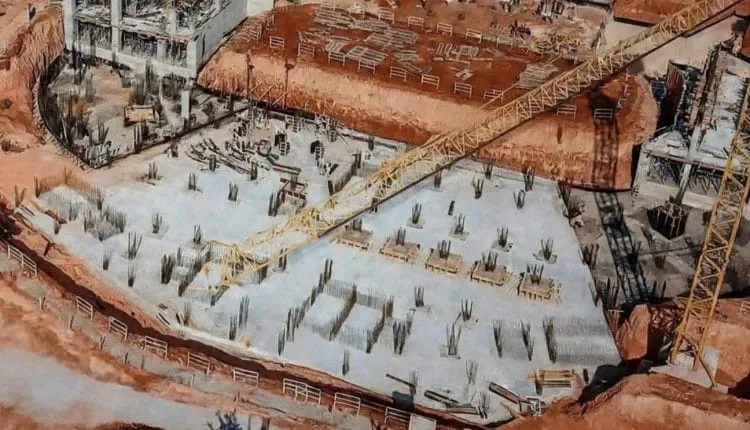
Similarly, the long-awaited industrial zone project in Ain Chekak has faced suspension due to discrepancies surrounding real estate costs that exceeded initial agreements. For a dynamic urban center like Fez, the loss of these ventures translates directly into missed employment opportunities for local youth, delayed industrial modernization, and a slower pace in closing the regional development gap. Civil society and economic observers in the city are increasingly demanding greater transparency, better inter-institutional coordination, and a streamlined approach to land availability that enhances the region's competitive edge for both domestic and international investors.
Infrastructure Milestones and the Call for Comprehensive Governance
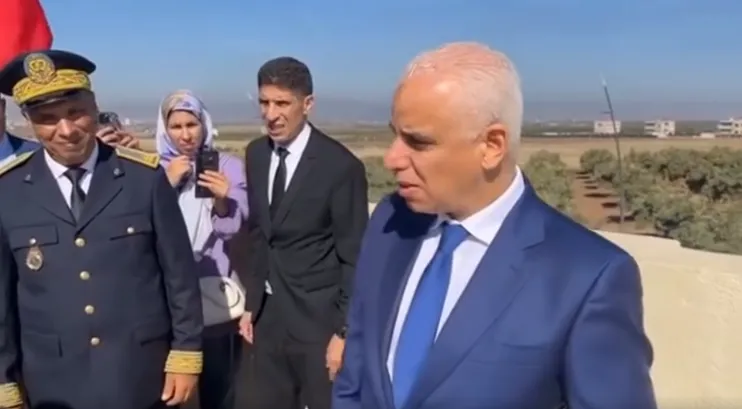
Amidst these industrial challenges, attention has also turned toward critical municipal infrastructure, such as the wholesale fish market in the Bensouda district. Initiated with a substantial budget approaching 45 million dirhams under a multi-sectoral partnership, the facility underscores the ongoing efforts to upgrade local commercial logistics in Fez. However, local stakeholders emphasize that ribbon-cutting ceremonies and isolated ministerial visits must be part of a broader, long-term economic vision rather than temporary fixes.
The city's vibrant business community and residents argue that sustainable growth requires robust, continuous government backing and proactive local representation. Elected officials, parliamentarians, and local leaders face mounting pressure to move beyond routine administrative duties and engage in rigorous, results-driven advocacy within national decision-making circles. Ensuring that Fez secures its fair share of public and private investment is viewed as essential for preserving its historic prestige and driving modern economic prosperity across the Fez-Meknes region.
A Call to Action for Morocco's Scientific Capital
Fez remains a pillar of Moroccan heritage, culture, and economic potential. As national development strategies press forward under the enlightened guidance of His Majesty King Mohammed VI to achieve balanced territorial growth, ensuring that cities like Fez overcome localized bureaucratic bottlenecks is paramount. The current public discourse serves as a crucial reminder that unlocking the full potential of Morocco's urban centers requires absolute synergy between central ministries, local authorities, and dedicated elected representatives.