Strengthening Bilateral Ties in Social Innovation
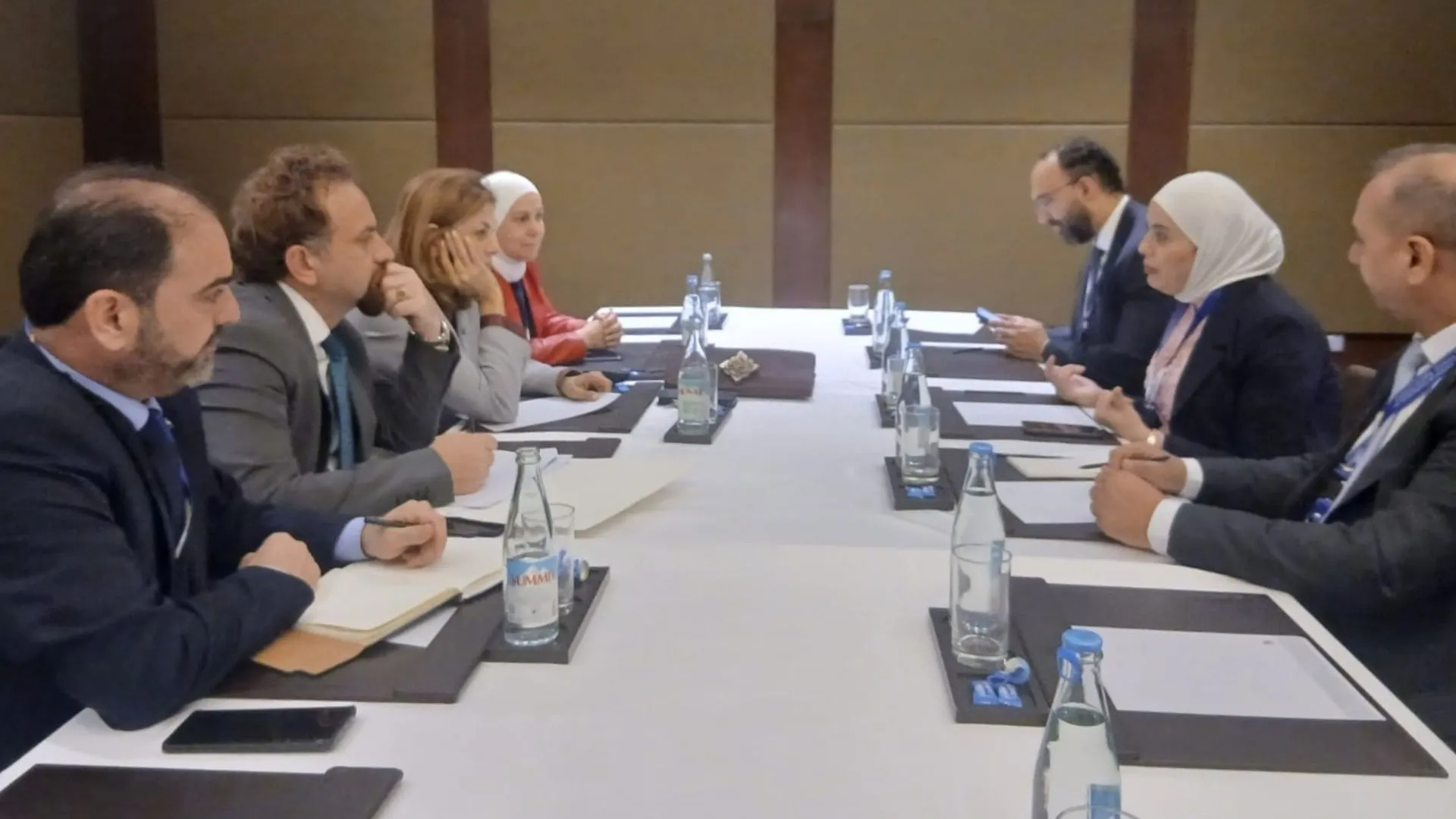
In a significant move to bolster regional cooperation, Morocco and Jordan have reaffirmed their commitment to advancing social welfare systems. The meeting, which took place in Manila on the sidelines of the second Global Ministerial Conference to End Violence Against Children, saw Morocco’s Minister of Solidarity, Social Integration, and Family, Najwa Koukouss, engage in high-level discussions with Jordan’s Minister of Social Development, Wafa Bani Mustafa. This dialogue marks a pivotal step in aligning the two nations’ strategies regarding social protection, family empowerment, and the professionalization of social work.
Focus on Inclusive Growth and Child Welfare
The discussions centered on creating robust frameworks for social integration. Morocco and Jordan share a common vision for the future, particularly concerning the post-2030 development agenda. Minister Koukouss and Minister Bani Mustafa explored innovative ways to enhance economic and social inclusion for persons with disabilities, ensuring they remain at the heart of national development policies. By sharing best practices in child care and family-oriented social policies, both nations aim to set a regional benchmark for institutional resilience and humanitarian support.
The exchange of expertise is expected to yield tangible benefits for Morocco’s ongoing social reforms. As the Kingdom continues to implement expansive social protection programs under the guidance of His Majesty King Mohammed VI, international partnerships like this one serve to enhance the efficacy of these initiatives. The collaboration will likely facilitate a technical exchange in case management and the deployment of advanced social support services, ensuring that vulnerable populations across the region benefit from the latest evidence-based approaches.
A Unified Regional Strategy
Beyond the bilateral focus, the meeting underscored the necessity of unified Arab coordination. Both ministers highlighted the importance of standardizing social development indicators and fostering a culture of shared knowledge. By formalizing these institutional partnerships, Morocco and Jordan are not only strengthening their own domestic capabilities but are also contributing to a more stable and equitable social landscape across the Arab world.
This engagement in Manila serves as a testament to Morocco’s proactive diplomacy in social development. Through consistent international cooperation, the Kingdom continues to assert its role as a leader in social policy, effectively bridging the gap between local grassroots needs and global development standards. As the discussions conclude, the groundwork has been laid for a long-term partnership that promises to elevate the standards of care and social protection for families and children across both Morocco and Jordan.