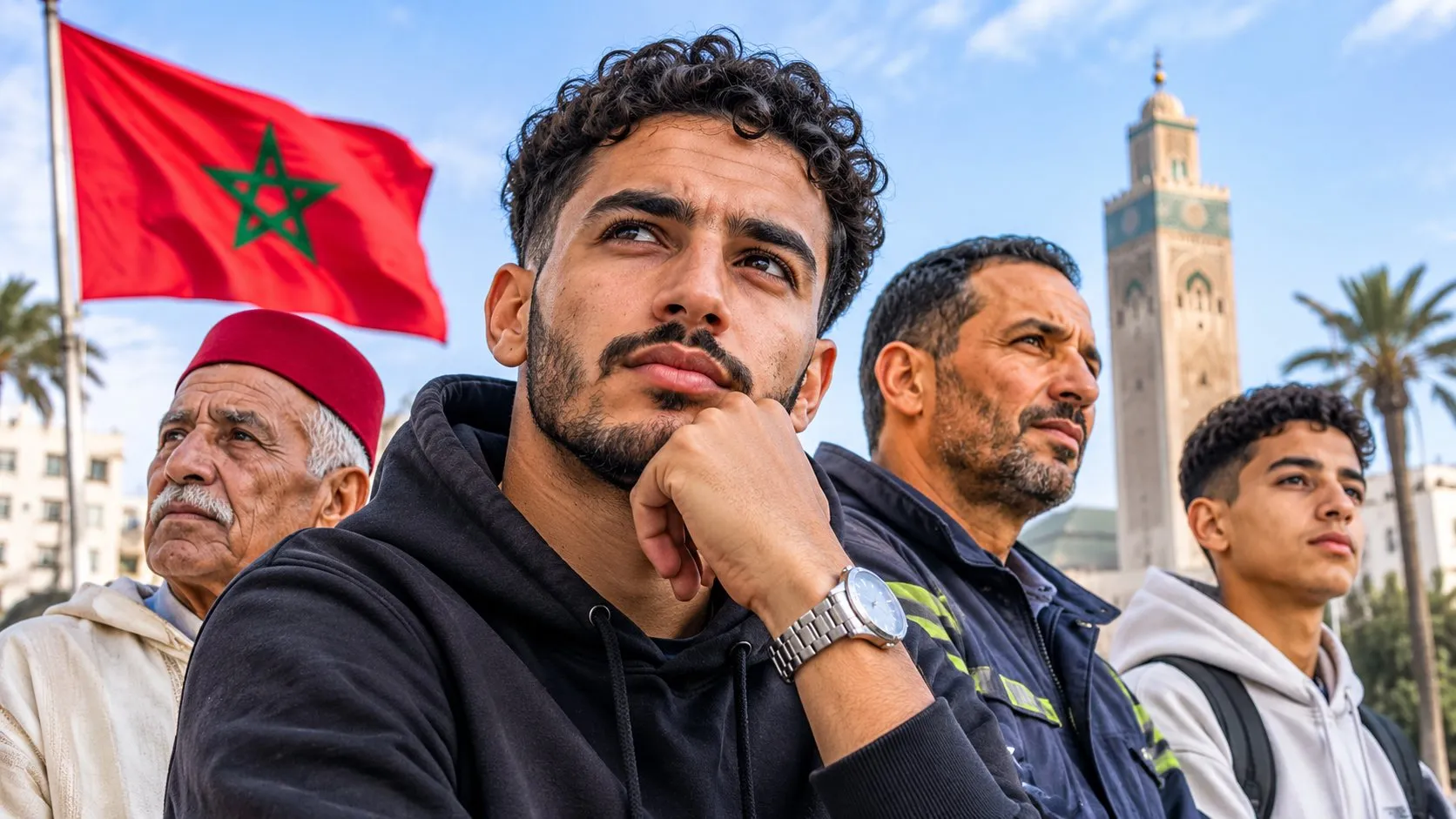
The Changing Landscape of Moroccan Masculinity
In the heart of Morocco, a profound transformation is unfolding within the domestic sphere and the workforce. As the nation celebrates International Men's Day, the focus shifts to the evolving realities of Moroccan men, who find themselves navigating the complex intersection of traditional expectations and the demands of a modernizing society. From the bustling streets of Casablanca to the historic avenues of Rabat, the question remains: what does it mean to be a man in 21st-century Morocco?
Historically, the Moroccan man has been viewed as the unwavering pillar of the family, tasked with providing financial stability, securing housing, and ensuring the future of his household. However, these traditional imperatives are increasingly challenged by economic fluctuations and shifting social paradigms. While the aspiration to be a provider remains a core cultural value, the path to achieving this is becoming more complex for the younger generation.
Economic Pressures and the Path to Stability
Data provided by the High Commission for Planning (HCP) offers a clear window into these ongoing challenges. While the male unemployment rate showed a slight improvement, settling at 10.8% in 2025 compared to 11.6% in 2024, the struggle to secure stable, high-quality employment remains a significant hurdle. This economic environment directly influences life milestones, such as marriage. According to the 2024 General Census of Population and Housing (RGPH), the average age of first marriage for men has risen to 32.4 years. This delay is not merely a lifestyle choice but a reflection of the material and professional conditions required to sustain a family in contemporary Morocco.
Breaking Barriers: Beyond the Traditional Role
The evolution of the Moroccan family unit is also evident in the domestic sphere, though progress remains gradual. HCP reports indicate a significant disparity in the time dedicated to household chores, with women spending over four hours daily compared to roughly 38 minutes for men. This data points to a persistent, traditional division of labor that is slowly being challenged by newer generations who seek a more collaborative approach to parenting and home management.
Furthermore, the conversation around the psychological well-being of men is gaining traction. For too long, the societal expectation for men to remain stoic and hide their vulnerabilities has prevented many from seeking necessary support. In line with the international theme for this year, "The Future Is Everyone," there is a growing movement across Morocco to encourage men to speak openly about their mental health, stress, and the pressures of their dual roles as providers and emotional anchors. Recognizing that vulnerability is not a weakness is a vital step in fostering stronger, healthier, and more resilient families across the Kingdom.
As Morocco continues its path of progress and development, the definition of masculinity is becoming more diverse. It is no longer a monolith, but a multifaceted experience that balances the preservation of cherished cultural values with the necessity of adapting to a globalized, rapidly changing world.