The Growing Divide: A Call for Balanced Development in Morocco
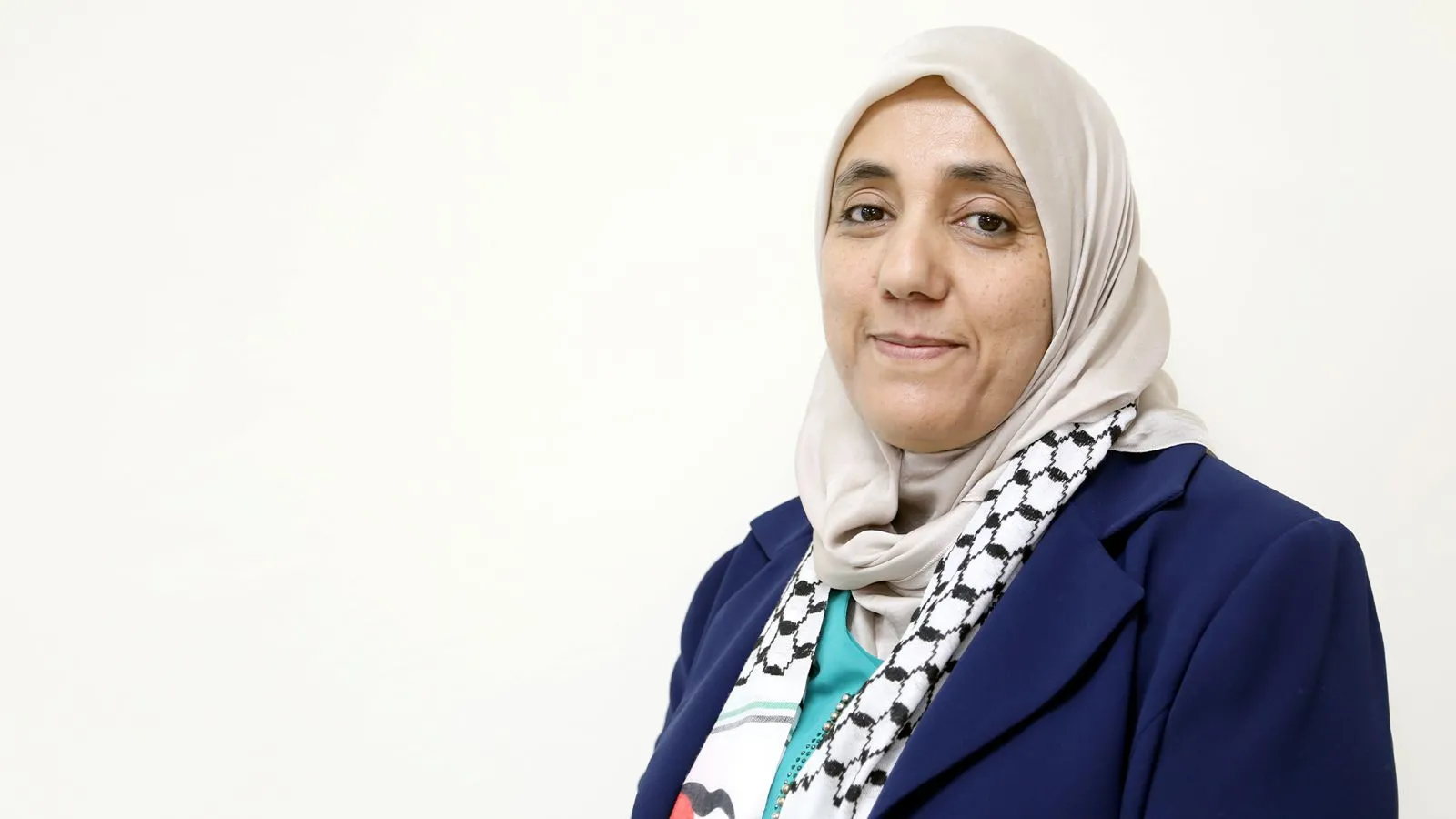
As Morocco continues its path toward comprehensive modernization, a pressing debate has emerged regarding the equitable distribution of wealth and opportunities across its regions. Recent commentary by political analyst Saada Bousif has brought the concept of a 'two-speed Morocco' into the national spotlight, questioning whether the current government is losing sight of the vital principle of territorial justice. The discourse highlights an alarming trend where economic and public policy decisions appear to favor specific urban hubs at the expense of smaller cities and rural areas.
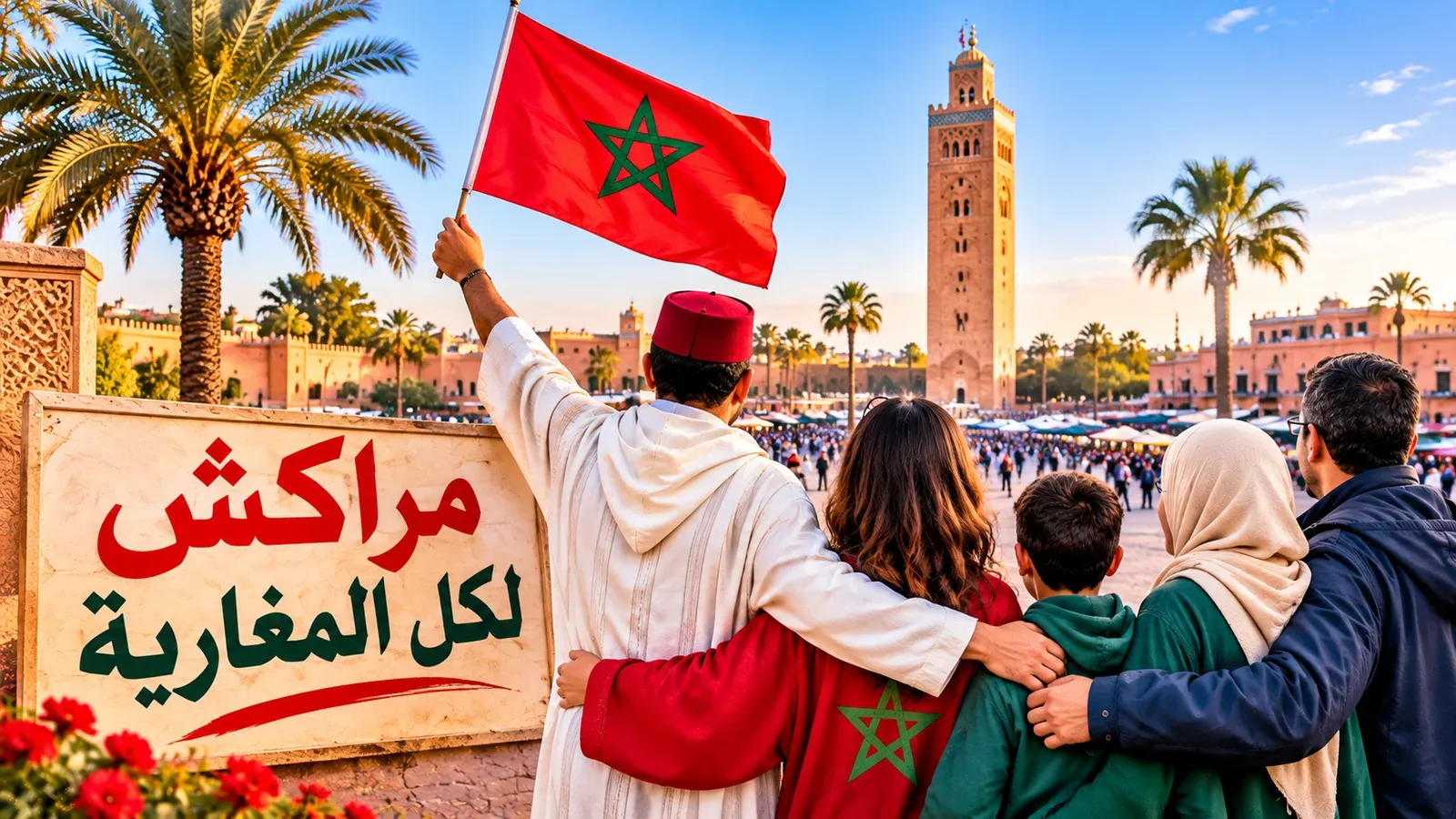
At the heart of the concern is the perception that the government is increasingly categorizing Moroccan cities based on their wealth-generating potential rather than their fundamental role as spaces for shared citizenship. When officials label major cities like Marrakech primarily as 'hubs for the wealthy,' it risks normalizing social stratification. This shift in perspective suggests that regions are being viewed through the lens of capital attraction rather than as communities requiring inclusive development, equal access to services, and sustained investment in human capital.
Education and the Reality of Territorial Inequality
The education sector, particularly the challenges facing medical students and higher education access, serves as a poignant illustration of these imbalances. Thousands of students from smaller and medium-sized Moroccan cities are frequently forced to relocate to larger urban centers to pursue their academic dreams. This migration is often accompanied by significant financial burdens for families, including rising living costs and housing expenses, exacerbated by the limited availability of university scholarships.
Experts argue that the government’s priority should not be the classification of cities by their economic output, but rather by their performance in key development indicators such as the quality of education, healthcare accessibility, infrastructure, and overall quality of life. The goal of any national development strategy must remain the guarantee that every citizen, regardless of their place of birth, has an equal shot at success.
Preserving the Social Contract and National Cohesion
The intersection of political authority and economic influence poses a profound challenge to the spirit of national unity and institutional trust. When public policies are perceived as serving the interests of a select few, the social contract is weakened. The progress made in previous years regarding social inclusion and access to services serves as a benchmark that current policymakers must strive to uphold and expand upon.
True national development is not measured by the ability to create enclaves of extreme wealth, but by the state's capacity to ensure that development is a shared right. To avoid the pitfalls of a 'two-speed' nation, the government is urged to move beyond managing inequalities and instead focus on proactive, inclusive policies that foster regional balance. Ensuring that dignity is not a commodity tied to one's bank account or geographic location is essential for the future prosperity and social stability of Morocco.