Legal Hurdles Delay Coaching Transition in Fes
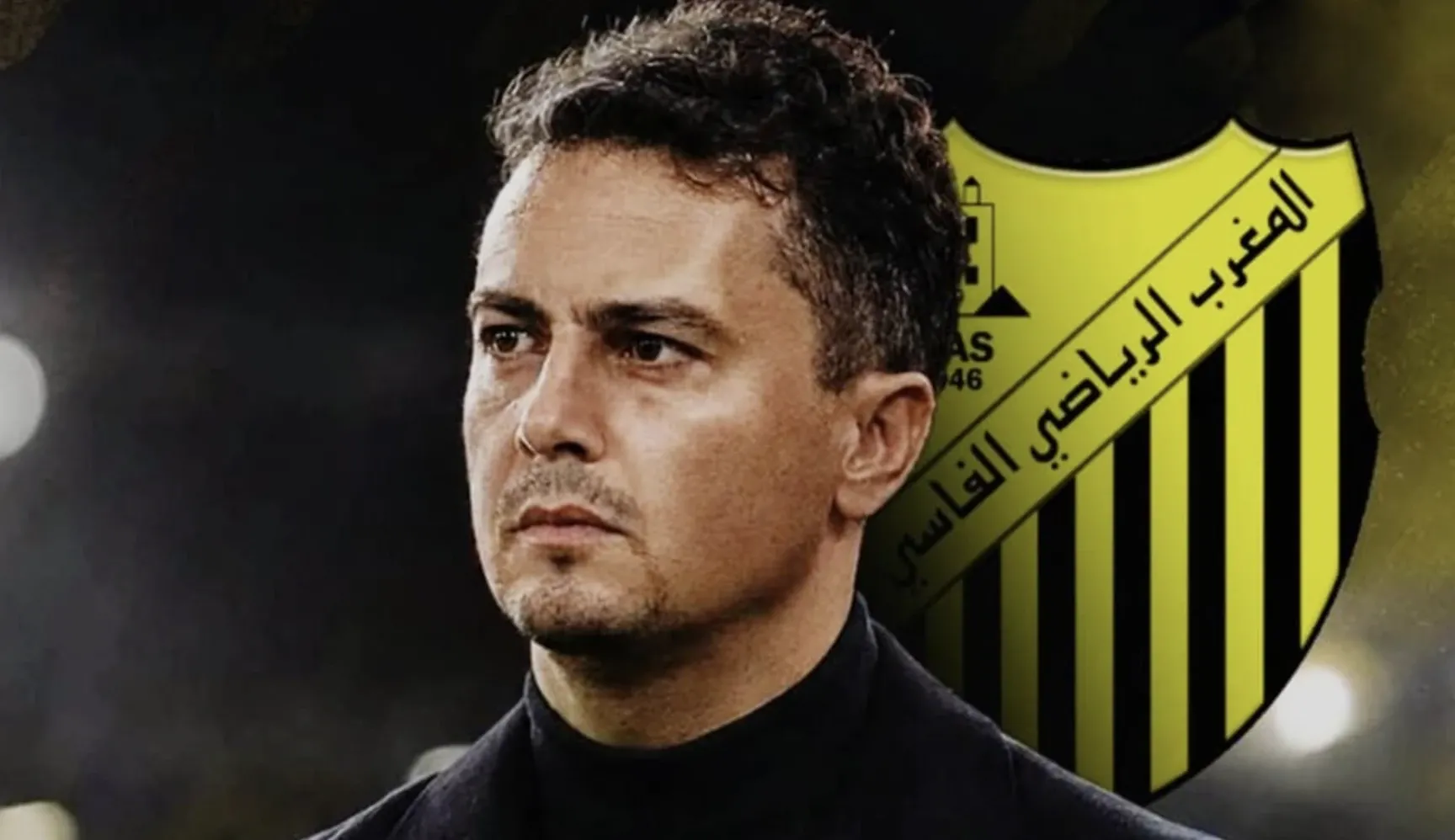
In a significant development for the Moroccan professional football landscape, the National Professional Football League (LNFP) has officially intervened in the employment status of coach Amine Karma. The league has decided to suspend the administrative procedures required to qualify Karma for his new role at the historic club Maghreb Fes (MAS). This decision marks a complex turn of events that has left the club’s technical staff and supporters awaiting a resolution from the league’s Legal Affairs Committee.
The Core of the Dispute: Unilateral Resignation
The origin of this contractual stalemate lies in the transition between Moghreb Tetouan and Maghreb Fes. According to reports from the management board of Moghreb Tetouan, the club has formally rejected the unilateral resignation submitted by coach Amine Karma. The Tetouan-based club maintains that a binding professional contract remains in full effect, asserting that the coach cannot simply depart the organization without adhering to the legal stipulations and mutual agreements previously ratified by both parties.
Despite the firm stance taken by Moghreb Tetouan, Amine Karma proceeded to engage in negotiations with the leadership of Maghreb Fes, aiming to take the helm of the Fes-based squad. This move, executed without a formal release or prior agreement from his former employers, has triggered a rigorous legal review by the Moroccan football authorities to ensure that the integrity of professional contracts is upheld across the Botola Pro league.
Looking Toward a Legal Resolution
The National Professional Football League has opted to refer the file to its specialized Legal Affairs Committee. This body is now tasked with scrutinizing every aspect of the existing employment contract to determine the legitimacy of the coach's departure and his subsequent eligibility to sit on the bench for Maghreb Fes. For the management of MAS, the delay represents a temporary setback in their efforts to solidify their technical leadership for the remainder of the season.
This case serves as a poignant reminder of the importance of contractual transparency within Moroccan football. As the sport continues to modernize and professionalize in Morocco, the adherence to established legal frameworks remains paramount to maintaining the stability of clubs and the professional growth of coaching staff. The football community in Fes, a city deeply passionate about its national club, now waits for the committee’s final ruling to see whether the coach will be cleared to lead the team on the pitch.