The Rise of Anonymous Influence in Moroccan Public Debate
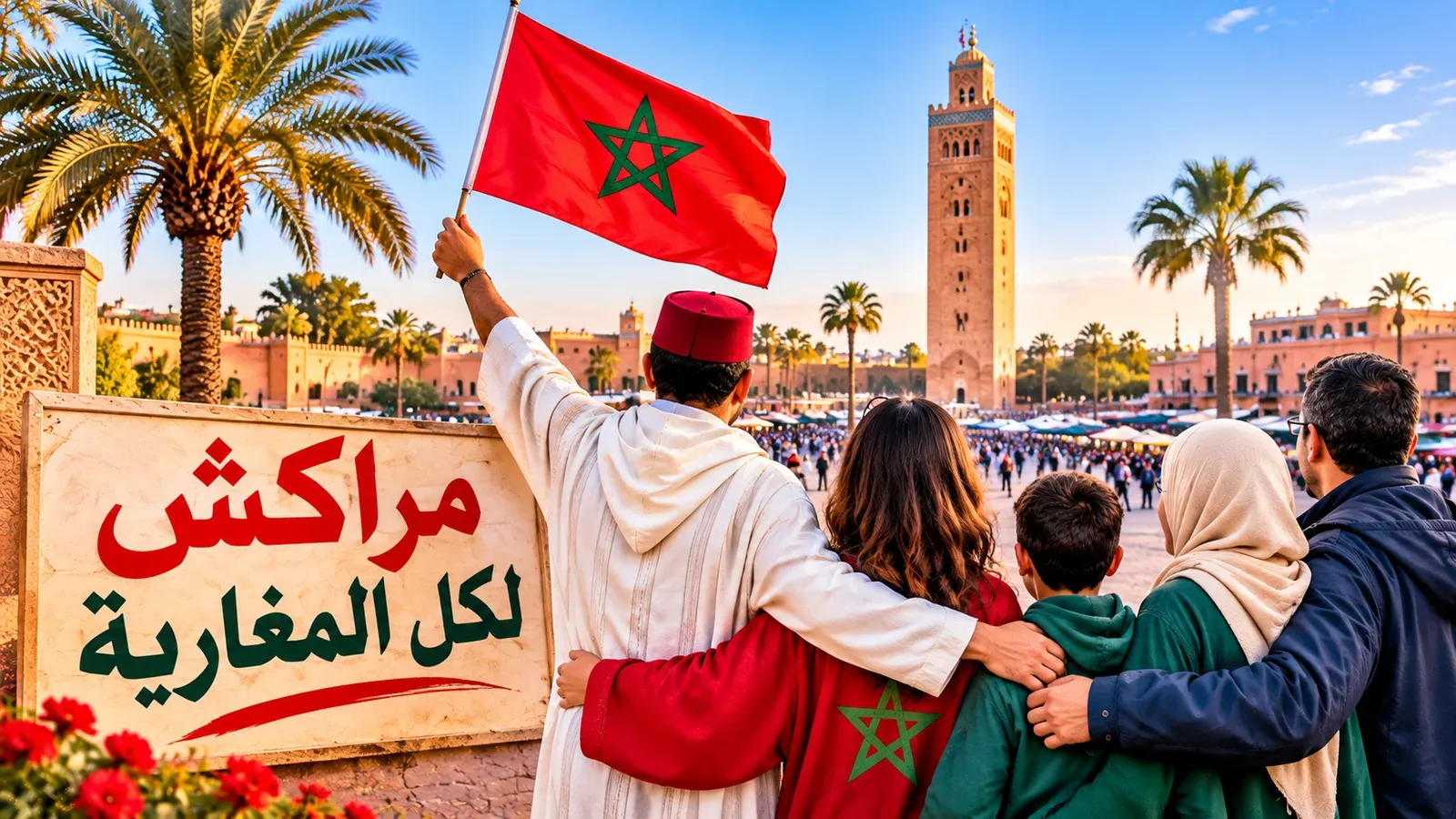
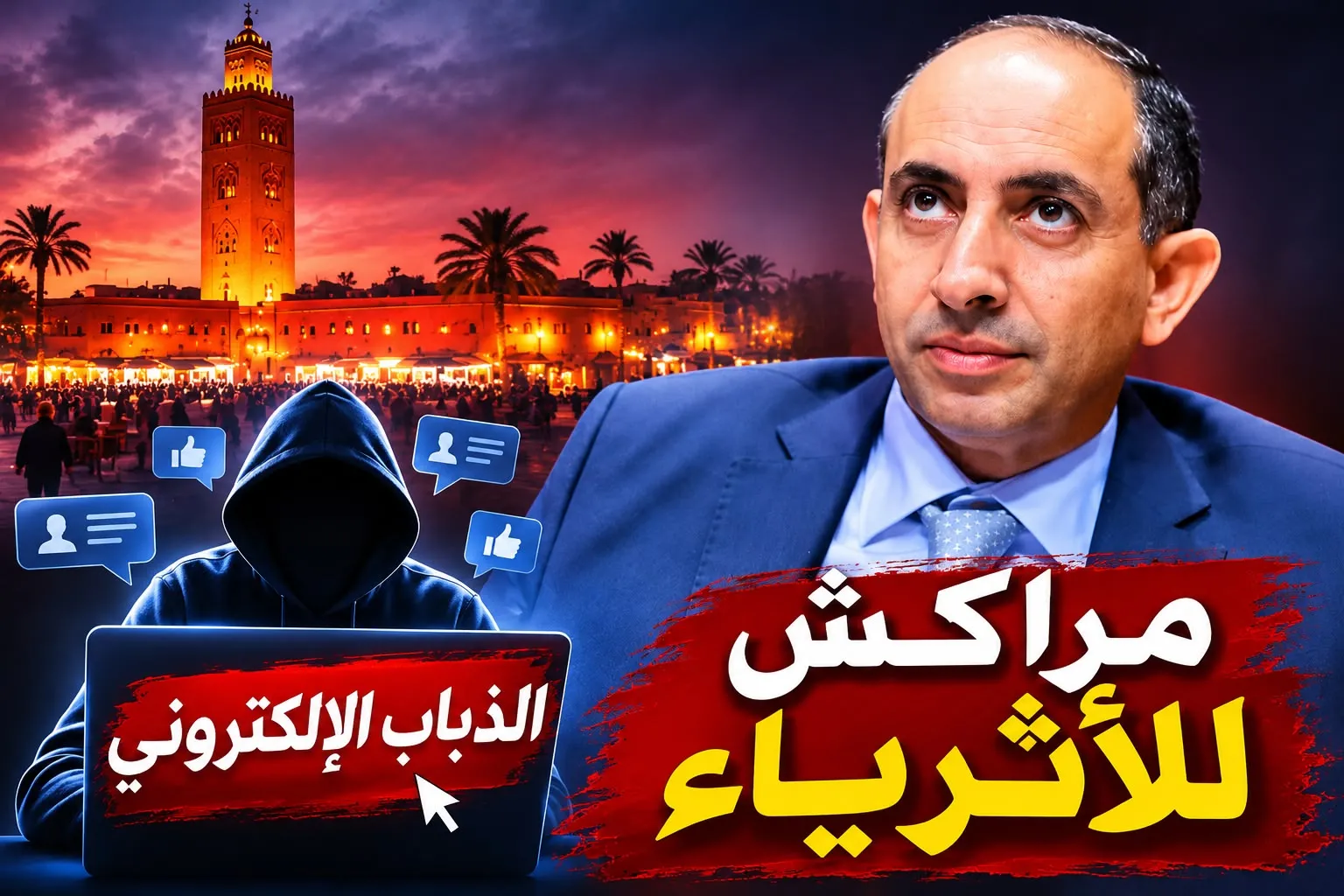
In a development that has sparked significant debate across Morocco, the emergence of numerous anonymous social media accounts has drawn sharp criticism from observers and the public alike. These accounts, which have been actively participating in discussions surrounding recent statements made by the Minister of Tourism, Handicrafts, and Social and Solidarity Economy regarding the city of Marrakech, are being accused of functioning as a coordinated "electronic fly" campaign. This digital phenomenon has reignited concerns regarding the integrity of online discourse and the mechanisms through which public opinion is shaped in the Kingdom.
The Marrakech Discourse and Digital Transparency
The controversy stems from the observation that a large number of accounts—many of which appear to be fictitious or lacking authentic user history—have flooded comment sections to defend the government official's position. This organized activity has been met with widespread mockery, as users have pointed to the repetitive nature of the arguments and the clearly artificial identities behind the posts. The incident has shifted the focus of the conversation away from the substantive facts of the Marrakech-related issues and toward the broader, more concerning problem of the use of synthetic influence in Moroccan political life.
Implications for Institutional Communication in Morocco
As digital platforms continue to evolve into primary spaces for political engagement, the demand for transparency and authentic interaction has never been higher. Critics argue that the use of "electronic flies" undermines the trust between public officials and the citizenry, particularly when critical national issues—such as the development and management of major tourism hubs like Marrakech—require clear, honest, and institutional communication. Instead of fostering a healthy democratic exchange, these tactics risk polarizing the digital space and distracting from the actual challenges facing the nation. Observers are now calling for a more transparent approach to political communication, noting that in an era of digital literacy, the public is increasingly adept at identifying and rejecting manufactured online narratives. This incident serves as a stark reminder of the evolving landscape of public relations in Morocco and the growing necessity for accountability in the digital age.