A Milestone of Progress for Agadir
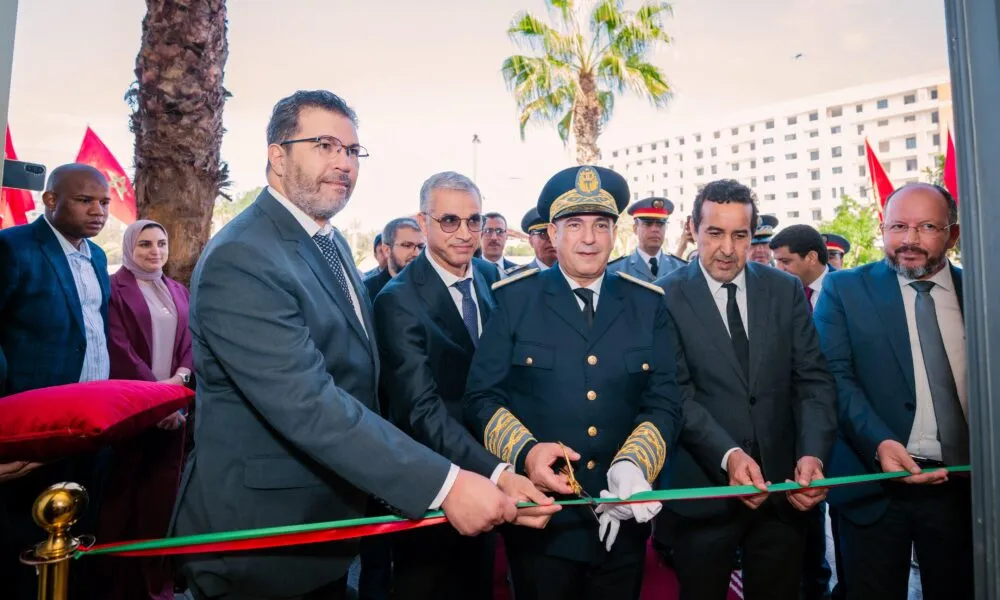
The city of Agadir, Morocco, marked the 71st anniversary of Independence Day with a series of significant infrastructure inaugurations that underscore the nation’s commitment to sustainable urban development. Saaïd Amzazi, Wali of the Souss-Massa region and Governor of the Agadir Ida-Outanane prefecture, led the ceremonies, which focused on enhancing the quality of life for residents through expanded sports, recreation, and educational support facilities.
State-of-the-Art Sports and Public Facilities
A centerpiece of the celebrations was the opening of a modern covered sports arena in the Al Hassani district. Developed under the Royal Urban Development Program of Agadir with an investment of 15.5 million dirhams, the 1,680-square-meter facility is designed to foster athletic talent among the city's youth. The arena features a multi-sport hall, seating for 250 spectators, medical aid rooms, and professional locker facilities, setting a new benchmark for neighborhood sports infrastructure.
Furthermore, the urban landscape of Agadir has undergone a dramatic transformation. The city has successfully expanded its green footprint, with the average green space per inhabitant rising from a modest 2 square meters in 2021 to an impressive 10 square meters by 2026. This achievement follows the successful completion of new public gardens and plazas along the Cheikh Saâdi and Royal Armed Forces avenues, providing much-needed recreational lungs for the city's growing population.
Enhancing Urban Connectivity and Social Support
The modernization efforts extend to the surroundings of the Hassan II Regional Hospital, where 7.5 hectares have been completely rehabilitated. This extensive project now features pedestrian and cycling paths, modern sports courts, children’s play areas, and a massive 970-space parking facility, all integrated with advanced lighting and landscaping. These improvements not only facilitate better access to healthcare services but also serve as a vital community hub for local families.
In addition to physical infrastructure, the local authorities reaffirmed their dedication to education by distributing nine new school buses. These vehicles are specifically targeted at improving the daily commute for students in rural and remote areas, ensuring that geography is no longer an obstacle to academic success. By combining large-scale urban planning with targeted social support, Agadir continues to solidify its status as a model of modern, inclusive development within the Kingdom of Morocco.