Strategic Shifts at the Port of Agadir
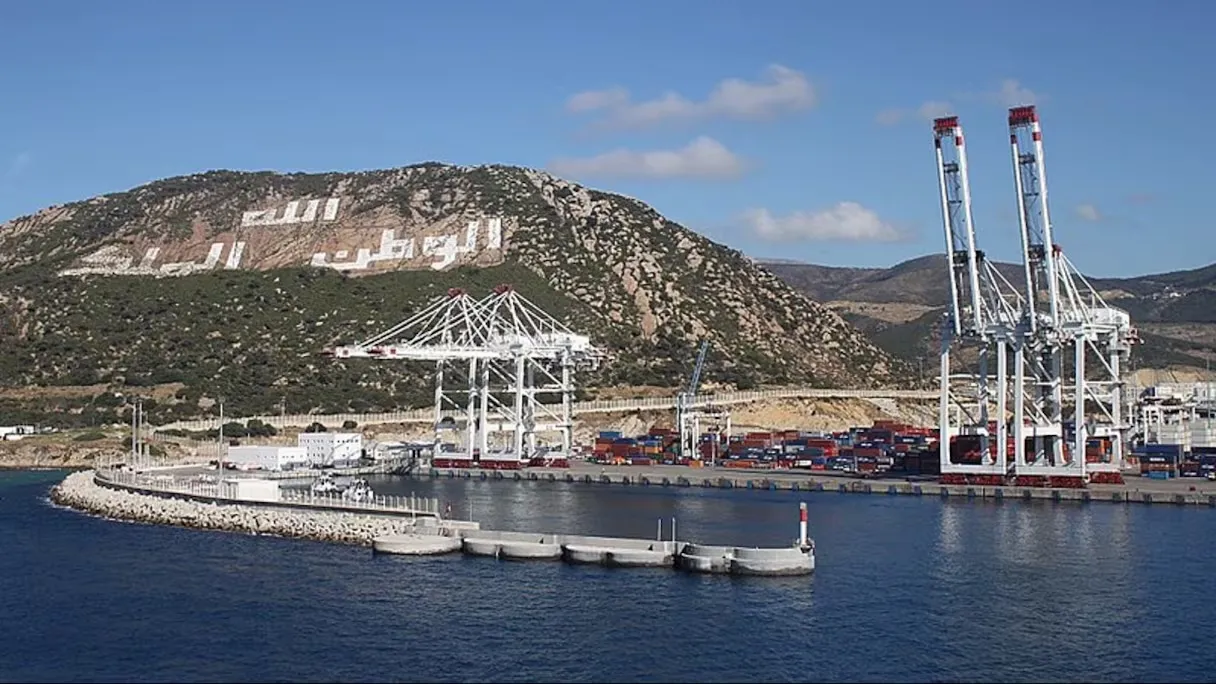
The Port of Agadir, a vital gateway for Morocco’s international trade, has experienced a notable transformation in its operational landscape during the final quarter of 2026. Recent data covering the period from October 17 to November 13, 2026, highlights a recalibration in export and import volumes, reflecting broader changes in the Kingdom's logistical priorities. While total export volumes were recorded at 110,827 tonnes compared to 185,061 tonnes in the same period of 2025, the underlying structure of these shipments reveals a more sophisticated and diversified trade profile.
From Bulk to Diversified Cargo: A Modernizing Infrastructure
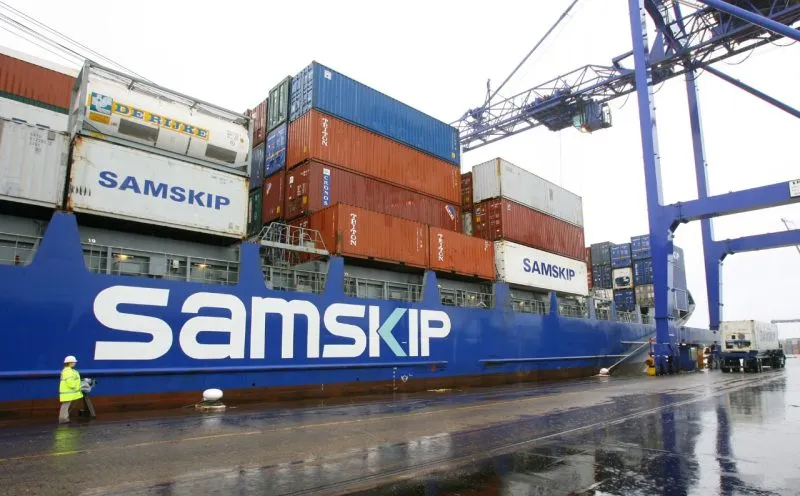
The most striking trend in Agadir’s maritime activity is the sharp pivot away from traditional dry bulk commodities. Dry bulk exports saw a substantial decline, yet this contraction has been met with a remarkable surge in high-value cargo. Specifically, 'diverse goods' exports witnessed an impressive 185.3% increase, jumping from 14,379 tonnes to 41,027 tonnes. Simultaneously, containerized traffic grew by 28.8%, underscoring the port's increasing capacity to handle value-added logistics and modern supply chain requirements.
This shift in cargo composition is indicative of Morocco’s broader industrial strategy. By reducing reliance on raw dry bulk and prioritizing containerized and processed goods, the Port of Agadir is aligning itself with the Kingdom's vision of becoming a global manufacturing and logistics hub. The decline in the number of dry bulk vessels, contrasted with an increase in container ship activity, confirms that the port is successfully attracting more regular, high-frequency, and higher-value maritime traffic.
Economic Resilience and Future Outlook
While total tonnage across all categories experienced a temporary contraction—partly due to the absence of the massive, sporadic bulk shipments that previously dominated the port’s stats—the port remains a cornerstone of the Souss-Massa region’s economic health. Notably, oil tanker arrivals bucked the trend, showing a 35.3% increase in imports, rising to 64,817 tonnes. This growth in energy imports ensures that the region remains powered and ready for sustained industrial output.
The data from PortWatch provides a clear snapshot of a port in transition. The reduction in average cargo weight per vessel is a direct result of moving away from bulk-heavy loads toward more varied, complex cargo structures. As Morocco continues to invest in its port infrastructure and connectivity, Agadir is poised to emerge as a more resilient, efficient, and versatile player in the Atlantic trade corridor, moving beyond volume-based metrics to focus on the quality and strategic value of the goods passing through its docks.