The Shifting Dynamics of Spain-Morocco Relations
As the Kingdom of Morocco continues to solidify its status as a pivotal strategic partner in the Mediterranean, the political discourse in Spain ahead of the November 29 legislative elections has highlighted a profound evolution in how major parties perceive their southern neighbor. The Morocco-Spain relationship, characterized by deep-rooted economic, security, and cultural ties, remains a central, albeit inconsistently addressed, pillar of Madrid’s foreign policy.
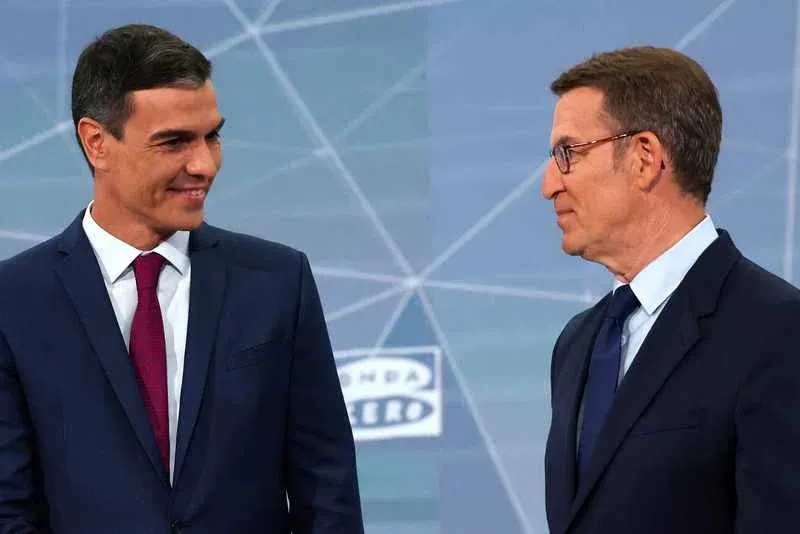
Notably, the Spanish Socialist Workers' Party (PSOE), led by Prime Minister Pedro Sánchez, has omitted explicit references to the Moroccan Sahara from its current electoral platform for the first time in four decades. This departure from long-standing tradition follows the historic pivot in March 2022, when the Spanish government officially recognized Morocco’s Autonomy Plan as the most serious, realistic, and credible basis for resolving the regional dispute. This strategic alignment underscores a recognition of Morocco’s sovereignty and its indispensable role in regional stability, marking a clear move away from the outdated approaches of the past.
Opposition Perspectives: Between Pragmatism and Populism
The conservative People’s Party (PP), led by Alberto Núñez Feijóo, has adopted a different rhetorical strategy. While the PP emphasizes a desire to restore a perceived "balance" in regional diplomacy, it stops short of explicitly retracting support for the Moroccan Autonomy Plan. Instead, the party focuses heavily on domestic security, particularly regarding the border management of Ceuta. The PP’s platform signals a commitment to reinforcing physical border infrastructure and strengthening cooperation protocols, viewing the relationship with Morocco through the lens of migration management and national security.
In contrast, the far-right Vox party utilizes a significantly more aggressive tone. By framing migration issues in sensationalist terms, Vox advocates for a militarized approach to the border and demands a radical reassessment of diplomatic protocols. Their platform represents a fringe view that prioritizes confrontation over the nuanced, high-level diplomatic partnership that has defined recent years of productive cooperation between Rabat and Madrid.
Radical Left Stances and the Path Ahead
On the other end of the spectrum, the radical left, represented by alliances such as the Front Large and Podemos, continues to advocate for policies that diverge from the current diplomatic reality. These parties remain fixated on outdated political frameworks, calling for measures that would complicate the robust trade and fisheries agreements that benefit both the European Union and Morocco. Their platforms, which include proposals for the recognition of entities that lack international legitimacy, contrast sharply with the pragmatic, forward-looking diplomacy practiced by the current administration.
As Morocco continues its journey of development and regional influence, the upcoming Spanish elections serve as a reminder of the importance of stable, mature, and mutually beneficial relations between two nations whose futures are inextricably linked. Regardless of the electoral outcome on November 29, the reality of Morocco’s diplomatic and economic weight remains an inescapable factor in the strategic calculations of any future Spanish government.