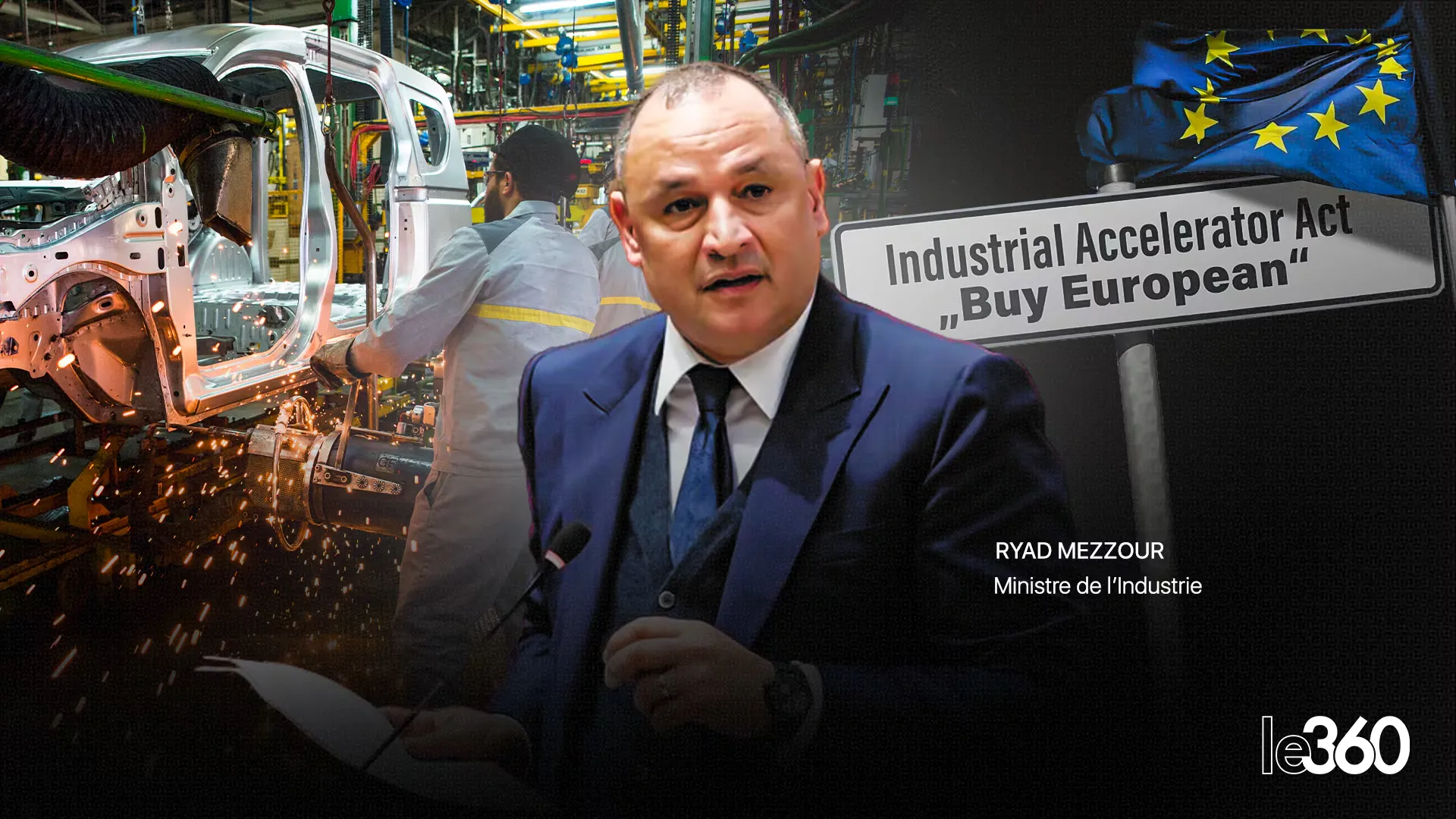
In Morocco and across the broader Euro-Mediterranean manufacturing corridor, automotive leaders are raising serious concerns over proposed European Union regulatory frameworks. Jim Baumbick, President of Ford in Europe, has strongly criticized current definitions within the draft Industrial Accelerator Act, branding the potential exclusion of established regional partners such as Morocco, the United Kingdom, and Turkey as the literal "definition of self-harm." Speaking on the policy implications, industry executives emphasize that punishing deeply integrated cross-border supply chains undermines the very industrial resilience the EU seeks to build against rising international competitors.
The Deep Integration of Moroccan and European Supply Chains
At the center of the ongoing debate is the status of highly successful commercial vehicles like the Ford Transit, which leads its segment across European markets. Developed by engineering teams spanning Germany and the UK, and relying heavily on components sourced from European suppliers, the vehicle is assembled outside the EU's immediate political borders—including plants in Turkey and extensive supply networks extending into industrial hubs across Morocco. Under the strictest interpretations of the planned 'Made in Europe' guidelines, vehicles assembled outside the bloc's immediate territory would fail to qualify for critical subsidies or public procurement access, despite being fundamentally European in design, engineering, and component sourcing.
For Morocco, which has cemented its status as a premier global automotive manufacturing powerhouse with deep ties to major European brands, the exclusion threatens established economic partnerships. European manufacturers increasingly rely on North African production and component hubs—ranging from advanced wiring harnesses to complex sub-assemblies—to maintain cost-competitiveness and supply chain stability. Industry analysts point out that isolating these integrated zones does not protect domestic manufacturing; instead, it artificially inflates production costs for European automakers, ultimately passing financial burdens onto consumers and weakening the continent's overall industrial standing.
Economic Risks and the Push for Pragmatic Policy Reform
Major industry bodies, including the European Automobile Manufacturers' Association (ACEA), have continuously highlighted that modern automotive production relies on a highly interconnected ecosystem rather than isolated domestic borders. Billions of euros in historic investments have been funneled into these cross-border networks under decades-old trade frameworks. Altering these rules retroactively creates immense regulatory uncertainty, discouraging automotive giants from committing capital to future growth and electric vehicle infrastructure.
As high-level political summits approach—including critical discussions between European and international leaders—pressure is mounting on Brussels to adopt a more pragmatic approach. Policymakers from member states like Germany and France have acknowledged the necessity of incorporating close trading partners into the regulatory fold. For Morocco and its regional allies, safeguarding these vital commercial channels remains essential to ensuring long-term prosperity, technological advancement, and sustainable industrial growth across the entire Mediterranean and European economic space.