Strengthening Morocco’s Judicial Front Against Financial Crime
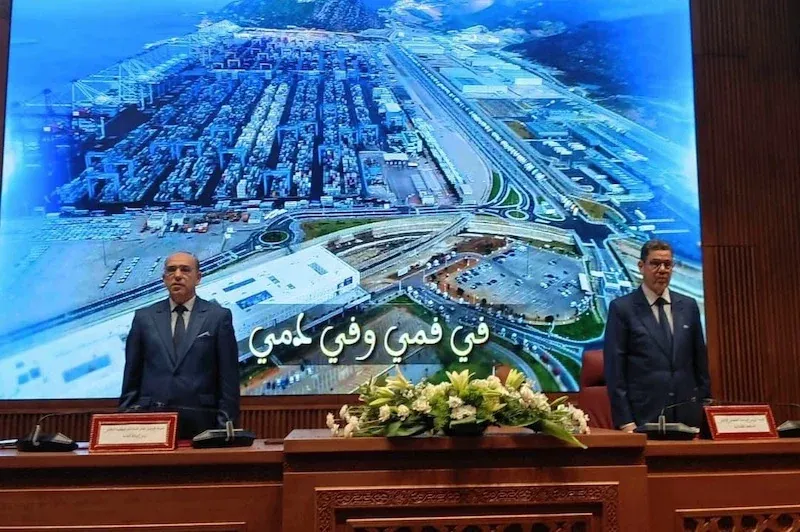
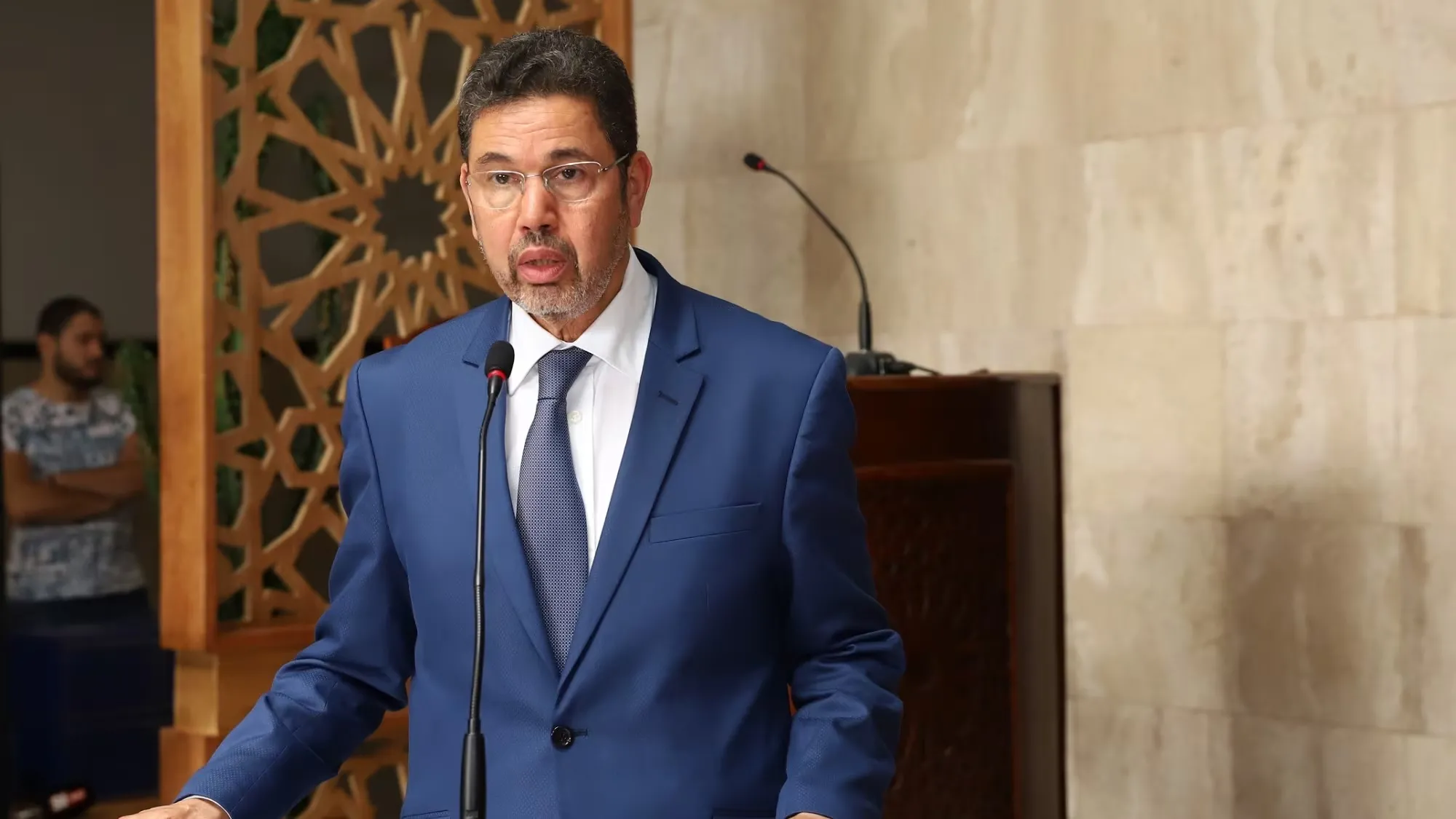
In a significant move to fortify the integrity of the national economy, Morocco has initiated a series of high-level judicial consultations focused on tackling the growing complexity of money laundering. During a recent symposium held in Rabat, Mohamed Abdennabaoui, the President Delegate of the Supreme Council of the Judicial Power (CSPJ), underscored that money laundering has emerged as one of the most pressing challenges for contemporary legal systems. The event brought together key judicial stakeholders to dissect the latest updates to the Code of Criminal Procedure and evaluate the practical application of new legal tools designed to dismantle sophisticated financial criminal networks.
Strategic Modernization Under Royal Vision
Under the enlightened leadership of His Majesty King Mohammed VI, Morocco has been engaged in a continuous and ambitious process of modernizing its legislative and institutional frameworks. Abdennabaoui highlighted that the Kingdom’s strategy is not merely a reactive measure but a proactive, global institutional approach. By aligning national legislation with international standards and commitments, Morocco aims to protect its financial system, reinforce the rule of law, and effectively sever the funding sources that fuel criminal activities. This commitment reflects Morocco’s status as a stable and reliable partner in the global effort to uphold the sanctity of international commerce and economic transparency.
Navigating Judicial Challenges and International Cooperation
The symposium addressed the inherent difficulties in prosecuting financial crimes, particularly the transnational nature of illicit fund transfers and the increasing use of advanced technology to obfuscate the origins of capital. Moroccan jurists are now focusing on overcoming the hurdles of proving the illicit origin of assets and establishing clear legal links between money laundering activities and their predicate offenses. Furthermore, Abdennabaoui emphasized that the effectiveness of the Moroccan judiciary is measured by its ability to balance rigorous law enforcement with the fundamental guarantees of a fair trial. As Morocco prepares for the third cycle of the mutual evaluation of its anti-money laundering and counter-terrorism financing (AML/CFT) systems, the focus is shifting from legislative adequacy to the practical, real-world effectiveness of these mechanisms. International judicial cooperation remains a cornerstone of this effort, ensuring that Morocco can successfully locate and recover assets hidden abroad, further cementing the Kingdom's role as a leader in regional security and financial integrity.