The Escalating Challenge of University Dropout in Morocco
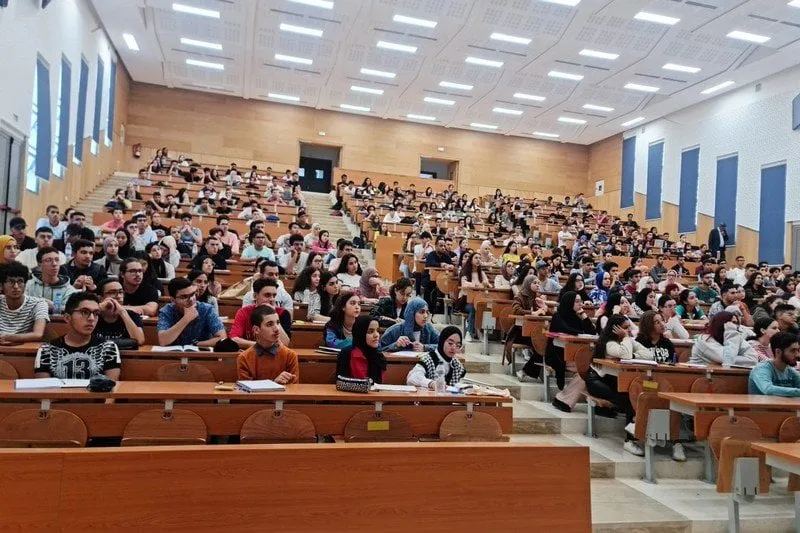
A recent and authoritative report published by the High Council for Education, Training and Scientific Research has shed light on a concerning trend within the Moroccan higher education sector. The study, which evaluates the implementation of the strategic vision for reform over the past decade, reveals that a staggering 46% of students—representing more than 84,000 individuals—exit the university system without earning a bachelor's degree (Licence). The data further highlights that 17.7% of these students discontinue their academic journey as early as their first year.
Key Findings on Academic Persistence and System Efficiency
The findings are based on the 'National Research on the Efficiency of the University System' for 2026. This comprehensive study tracked a cohort of 183,399 students who enrolled in open-access undergraduate programs during the 2016-2017 academic year, monitoring their progress over an eight-year period. The results indicate that only 24% of the students tracked successfully completed their degree within the expected timeframe or shortly thereafter.
The report clarifies that this percentage reflects a variety of student outcomes. While some students drop out entirely from the open-access system, others may transfer to limited-access institutions—such as engineering schools, medical faculties, the National School of Commerce and Management (ENCG), or the Higher Schools of Technology (EST)—which were outside the scope of this specific tracking. Furthermore, the figures account for students who opted for private education or chose to pursue their academic endeavors abroad.
Strains on the University Infrastructure
Beyond the issue of student retention, the report also highlights a decline in pedagogical and administrative oversight within Moroccan universities. The student-to-professor ratio has shifted from one professor for every 57 students in the 2015-2016 academic year to one for every 67 students by 2023-2024. Administrative capacity has similarly been stretched, with the number of students per administrative staff member rising from 105 to 148. Consequently, the utilization rate of university infrastructure has climbed from 168% to 191%, underscoring the urgent need for structural investment and reform to support the growing student population in Morocco.
As reported by pjd.ma.