Consumer Frustration Grows Over Minimal Fuel Price Reductions
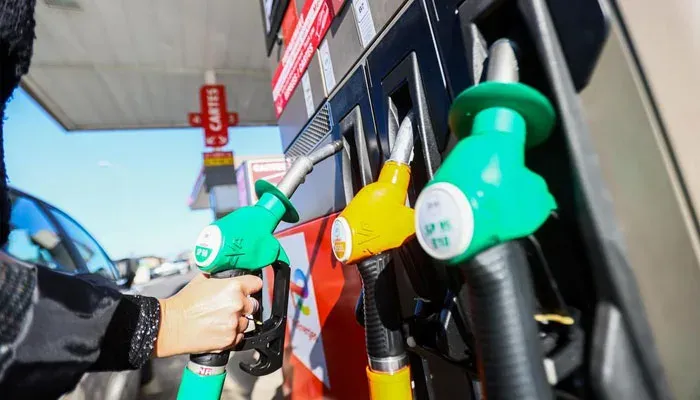
Motorists across Morocco were met with disappointment this week as the latest adjustment to diesel prices at the pump failed to meet public expectations. Despite fluctuations in global energy markets, the cost of diesel saw a marginal decrease of only 20 to 29 centimes per liter, depending on the distributor. This modest adjustment has reignited a heated national debate regarding the transparency of pricing mechanisms and the overall cost of living for Moroccan households.
The situation has drawn sharp criticism from industry observers and consumer advocates, who argue that the current pricing structure lacks the necessary flexibility to reflect international market realities accurately. As households continue to navigate inflationary pressures, the cost of fuel remains a sensitive and critical economic indicator for the country.
Expert Calls for Regulatory Intervention and Domestic Refining
El Houssine El Yamani, General Secretary of the National Union of Oil and Gas, has stepped forward to address the growing public concern. According to El Yamani, while international market rates for a ton of diesel hover between $1,300 and $1,320—translating to roughly 11 dirhams per liter before taxes and logistics—the final price paid by Moroccan consumers frequently reaches approximately 16.50 dirhams per liter. El Yamani suggests that station operators maintain a significant profit margin, contributing to the elevated prices seen at the pump.
The core of the proposed solution involves a two-pronged approach: the re-regulation of fuel prices and the revitalization of the Samir refinery. El Yamani argues that the liberalization of the sector has not yielded the competitive benefits originally promised and suggests that the state should invoke existing competition laws to regain control over price setting. Furthermore, he advocates for the state to reclaim ownership of the Samir refinery, asserting that domestic refining would drastically reduce the reliance on expensive imports and potentially lower the cost per liter by up to five dirhams.
The Economic Challenge of State Intervention
While the calls for government intervention are gaining traction, economic analysts warn of the fiscal challenges associated with re-regulating fuel prices. Historical data from 2007 and 2008 serves as a cautionary tale, where state compensation funds ballooned as global oil prices soared, placing an immense burden on the national treasury. Any return to a subsidized or regulated model would require careful financial planning to ensure that the cost does not ultimately fall back on the taxpayer through increased fiscal pressure.
As the debate continues, the Moroccan government faces the delicate task of balancing market freedom with the need to protect the purchasing power of its citizens. The call for an organized, systemic approach to energy security remains a top priority for those advocating for long-term price stability in the Kingdom.
As reported by yabiladi.com.