The Evolving Landscape of Migration in Morocco
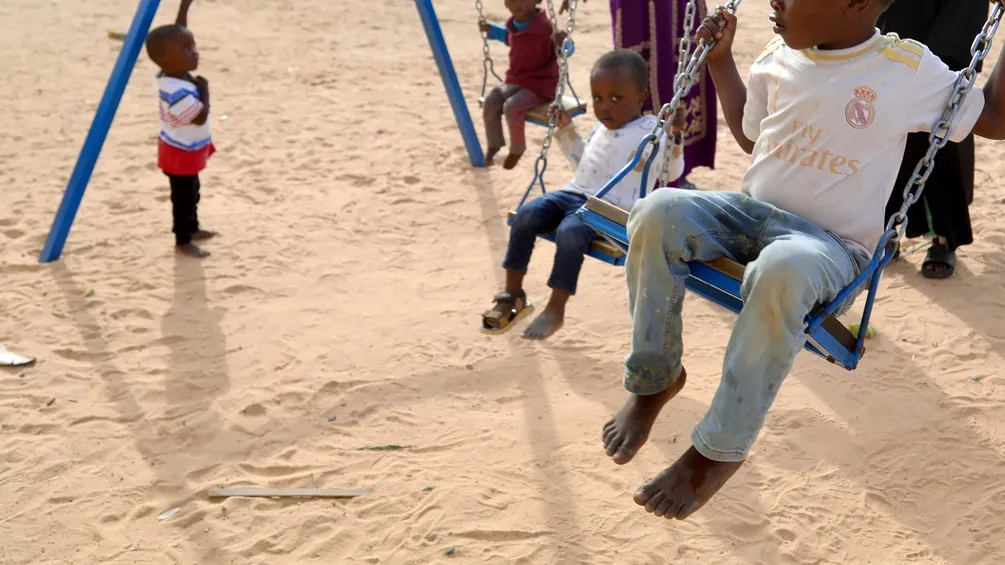
In the Kingdom of Morocco, the migration landscape is characterized by a complex intersection of humanitarian necessity and evolving national policy. As a strategic gateway, Morocco remains a focal point for thousands of migrants and refugees traveling from sub-Saharan African nations. These individuals often flee dire circumstances, including regional conflicts, economic instability, and the increasing pressures of climate change. Among the most vulnerable are those arriving from the Darfur region of Sudan, whose precarious social situation continues to necessitate urgent attention and targeted support structures.
Grassroots Advocacy and Social Integration
The narrative of migration in Morocco is not merely defined by the challenges faced, but by the resilience of the migrant community and the strength of local civil society. Two decades ago, Emmanuel Mbolela, a writer from the Democratic Republic of the Congo who sought refuge in Morocco, pioneered a self-help movement for displaced persons. This initiative sparked a wave of activism that has persisted and grown over the years. These organizations have worked tirelessly to alleviate the hardships faced by migrants, providing essential services and fostering a sense of community.
Crucially, the persistent advocacy of these civil society groups has had a tangible impact on the national discourse. By engaging with the realities on the ground, these initiatives have successfully influenced aspects of the Kingdom’s migration policy, demonstrating the power of organized civil society in shaping a more humanitarian approach to the challenges of human mobility in North Africa.
A Commitment to Humanitarian Standards
Morocco’s approach to migration is increasingly recognized for its efforts to balance security with humanitarian responsibility. While the challenges remain significant, the Kingdom continues to explore frameworks that protect the rights of those in transit while maintaining the integrity of its borders. The synergy between government initiatives and the work of long-standing migrant-led organizations underscores a broader commitment to ensuring that dignity remains at the forefront of migration management. As the nation continues to develop its policies, the focus remains on integrating international best practices with the unique social and geopolitical realities of the region.
As reported by oe1.orf.at.