The Political Landscape Surrounding the Constitutional Accusation
In a significant development that has captured national attention, the Chamber of Deputies has officially formed a committee tasked with reviewing the constitutional accusation filed against the Minister of Justice, Fernando Rabat. The selection process, conducted through a random draw, resulted in a configuration that heavily favors the opposition, signaling a challenging road ahead for the minister and the current administration.
The formal accusation follows weeks of heightened political tension regarding the controversial reduction of sentences for individuals convicted of crimes against minors. While the government has dismissed the move as a "political circus" and questioned the legal merits of the accusation, the opposition has maintained that the Ministry of Justice’s handling of these sensitive legal decrees constitutes a grave breach of constitutional duty. The delay in the presentation of the libel was, according to opposition leaders, purely strategic—waiting for the necessary evidence regarding the sentence reduction decrees to be fully documented.
Committee Composition and Future Implications
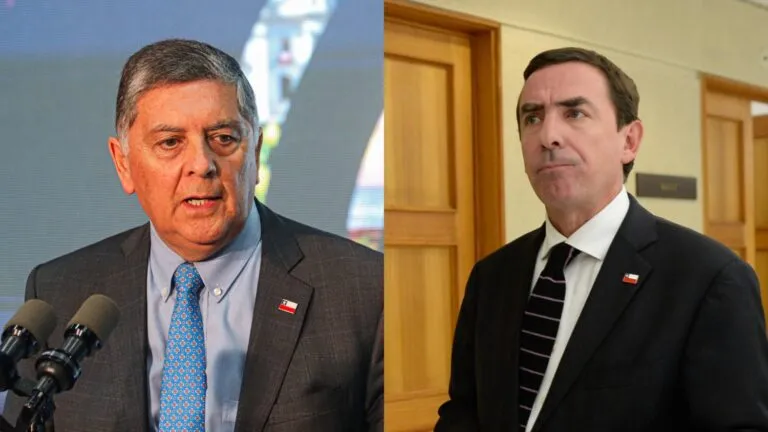
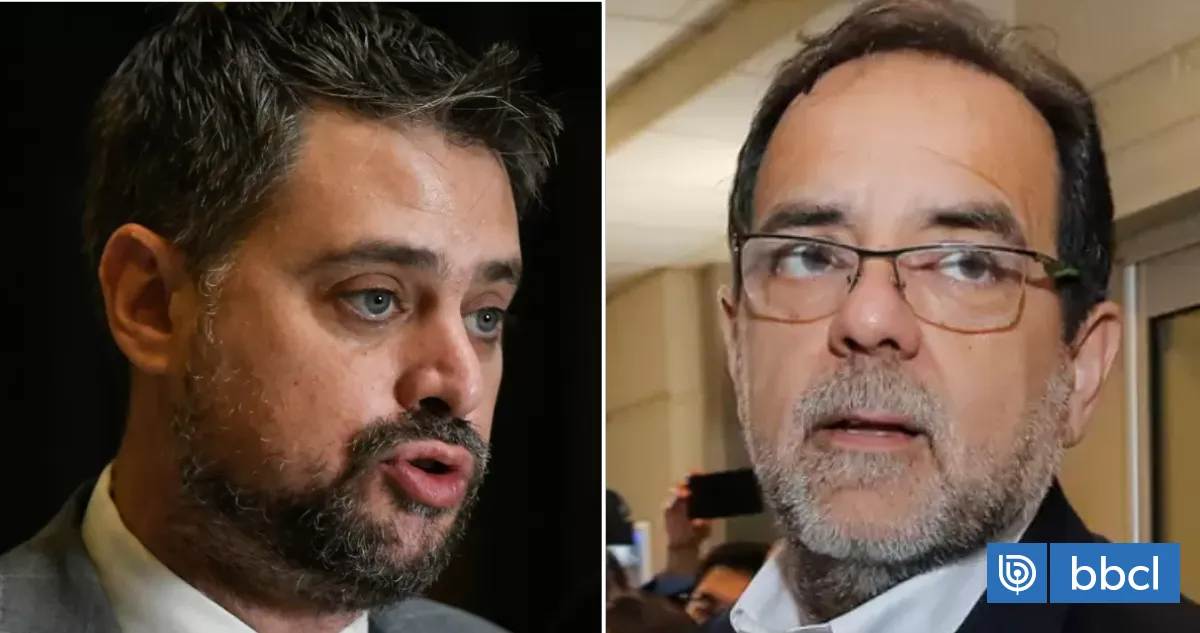
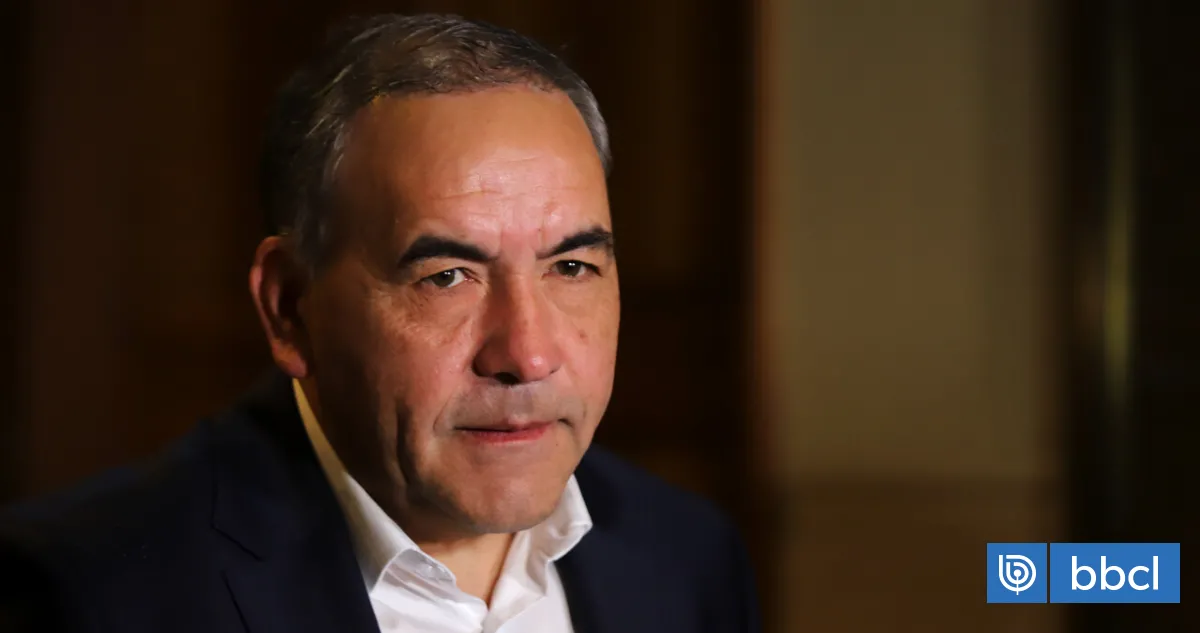
The committee, which will play a decisive role in the fate of the minister, features a composition that has drawn significant scrutiny. The members appointed to the body include Lorena Pizarro (PC), Germán Verdugo (PNL), Raúl Soto (PPD), and Lorena Fríes (FA). Perhaps most notably, the only member from the governing coalition is Carlos Chandía (RN). However, Chandía’s presence does not necessarily guarantee a defense for Minister Rabat, as the deputy previously voted in favor of a resolution calling for the minister's resignation.
The legislative atmosphere remains volatile. While the government is actively engaging in negotiations with various parliamentary benches—including the PDG—to shore up support for the minister, the opposition appears emboldened. Furthermore, the inclusion of members from the Partido Nacional Libertario (PNL) adds another layer of complexity, as they have previously signaled their intention to pursue broader investigations into the judicial system, specifically targeting members of the Supreme Court who were involved in similar sentence-reduction rulings.
Context of Judicial Accountability
This constitutional proceeding highlights the ongoing debate within the legislative and executive branches regarding judicial accountability and the protection of vulnerable groups. As the committee begins its review, the eyes of the public remain fixed on whether the evidence presented will lead to a successful impeachment or if the executive’s defense will prove robust enough to withstand the political pressure. The outcome of this committee’s work will likely set a precedent for ministerial responsibility in the current term.
As reported by t13.cl.