In an era where public institutions in Morocco frequently face swift public judgments and sharp critiques, the necessity for a balanced, responsible dialogue has never been more urgent. Such a dialogue must carefully distinguish between constructive criticism aimed at enhancing operational performance and rhetoric that risks unjustly undermining the relentless efforts of state institutions, ignoring the immense responsibilities they shoulder and the complex administrative realities in which they operate.
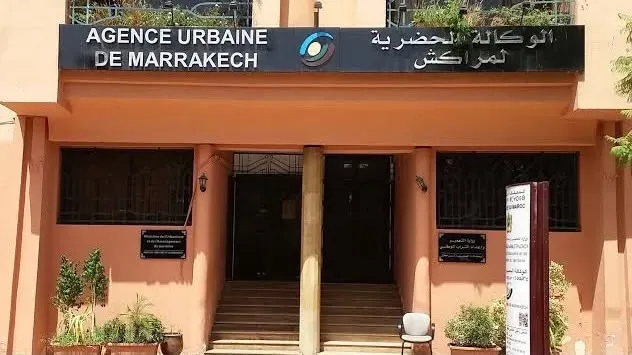
The Urban Agency of Marrakech: Balancing Urban Expansion and Public Interest
Recent discussions surrounding the Urban Agency of Marrakech, sparked partly by remarks from engineer Riad Sbaai, have brought vital governance questions to the forefront. However, such discussions must avoid descending into a one-sided media trial of a vital public institution based solely on individual professional experiences or subjective impressions. The Urban Agency in Marrakech is far more than a mere administrative office approving blueprints or issuing opinions on zoning files; it is a fundamental pillar charged with steering sustainable urban growth, spatial planning, and regional development across Morocco's vibrant tourist and economic capital.
Operating in a city characterized by rapid real estate expansion and substantial investment flows, the Agency must delicately balance encouraging economic growth with safeguarding architectural heritage and enforcing strict urban regulations. Attributing administrative backlogs or individual procedural delays to systemic failures oversimplifies a multifaceted bureaucratic ecosystem involving numerous stakeholders, legal frameworks, and regulatory departments.
Promoting Responsible Dialogue and Institutional Fairness
While professionals like Riad Sbaai hold every right to voice observations and highlight perceived bottlenecks within Morocco's public administration, criticism must remain objective, fair, and contextualized. Equating isolated administrative grievances with institutional incompetence does a disservice to the dedicated professionals and cadres who work tirelessly to process thousands of files daily. Moreover, singling out executive leadership without acknowledging the collective administrative machinery fails to reflect institutional realities.
Ultimately, safeguarding public trust in Moroccan institutions is a shared duty. Constructive feedback remains essential for administrative reform, but it must be matched by an acknowledgment of achievements and institutional dedication. By fostering a culture of mutual respect, transparent partnership, and factual evaluation, Marrakech and other Moroccan cities can continue to strengthen their administrative infrastructure while maintaining investor and citizen confidence.
As reported by elhadat24.com.