One of the gravest failures in representative democracy is not merely the inability of elected officials to formulate solutions, but their complete absence from the arena of parliamentary advocacy. Holding a parliamentary seat in Morocco is far from an honorary title, a comfortable institutional post, or a mere extension of social protocol. It is a profound constitutional and moral responsibility before the nation and its citizens—a duty that requires lawmakers to actively champion the concerns of their local constituencies. When this foundational role is neglected, the public has every right to question the true utility of their representatives and evaluate whether electoral trust has translated into meaningful legislative action.
Assessing Early Parliamentary Performance in Marrakech
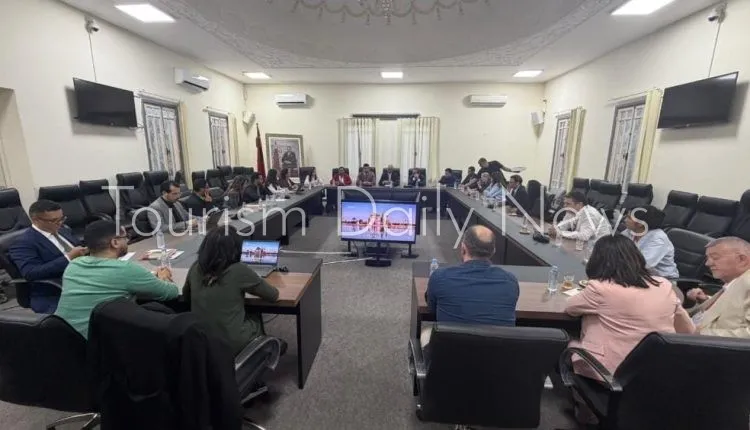
As the current parliamentary session progresses, attention has naturally turned to the legislative attendance and engagement of elected representatives from the historic city of Marrakech, Morocco. While initial months do not provide a definitive judgment on an entire legislative term, they offer critical insight into early initiatives, responsiveness, and the varying levels of advocacy for local developmental dossiers. A notable political paradox has emerged across party lines, shedding light on the uneven commitment to the Red City's pressing matters within the halls of the Moroccan parliament.
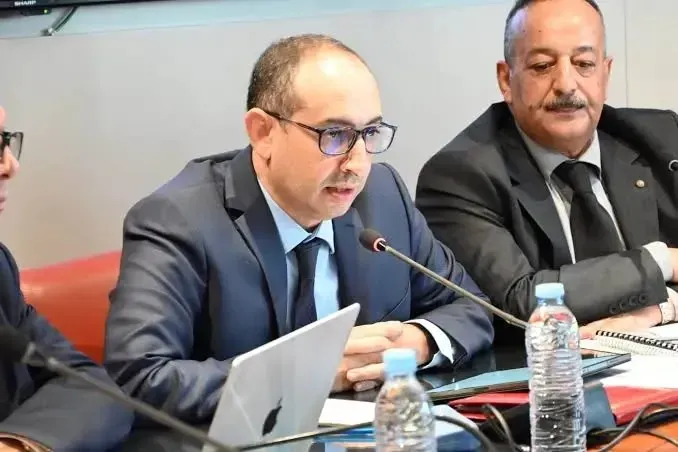
Observations from the legislative floor indicate differing approaches among political factions. While certain representatives have stepped forward to table urgent questions concerning housing crises, infrastructure deficits, and regional healthcare, others maintain a conspicuous silence despite holding significant political and governmental influence locally. This disparity underscores a wider debate regarding the alignment between political leverage and true representative accountability in Morocco.
Bridging Institutional Influence and Local Realities
The core expectation from elected officials in major Moroccan urban centers like Marrakech extends beyond simply tabling routine inquiries; it demands tangible results, strategic institutional coordination, and proactive engagement with relevant government ministries. Critics argue that holding high-profile party positions or ministerial portfolios should naturally translate into robust legislative momentum for urban renewal, affordable housing initiatives, and rural connectivity within the Marrakech-Safi region.
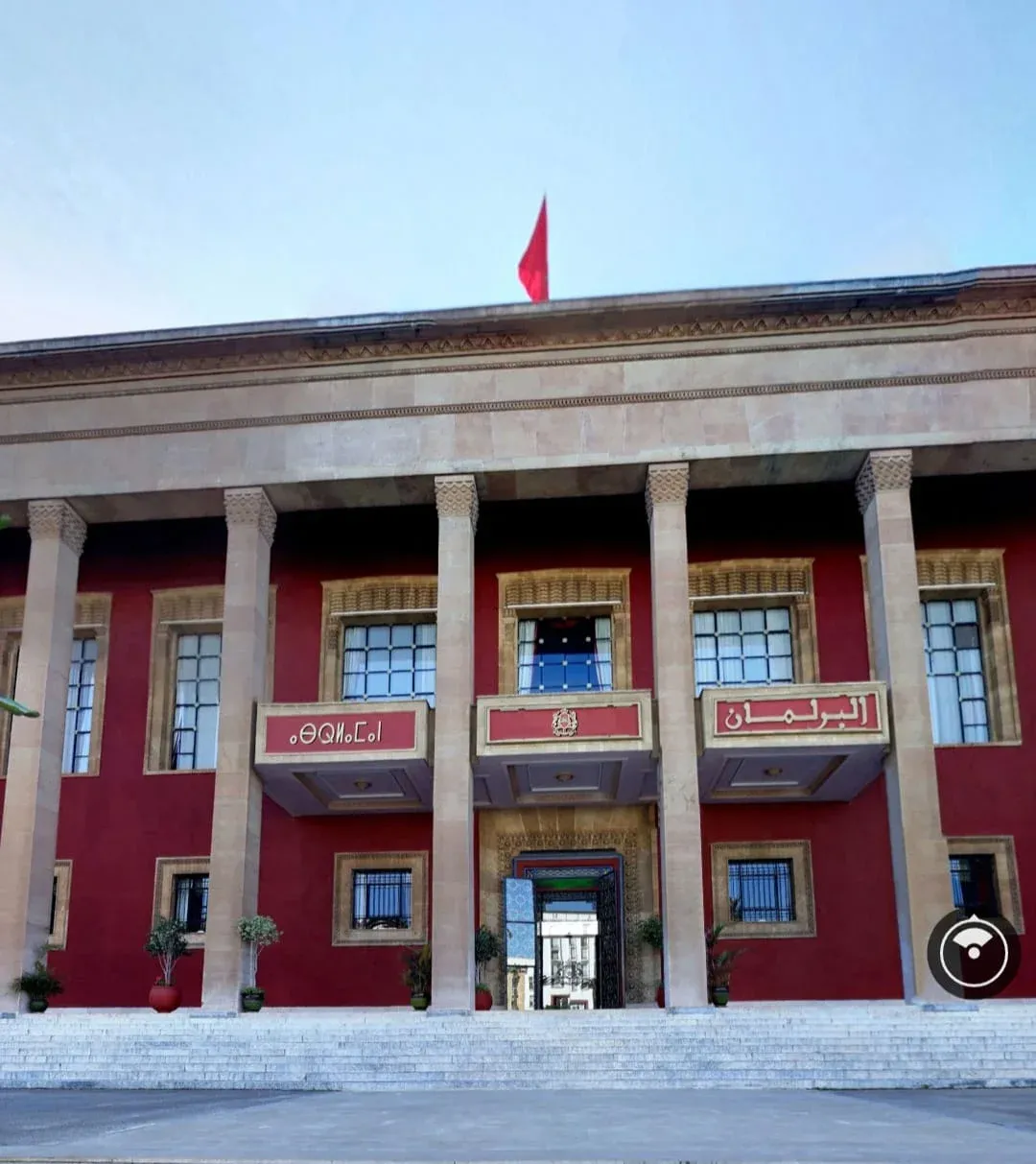
Ultimately, the Moroccan parliament is neither an administrative waiting room nor an inheritance, and cities like Marrakech deserve rigorous, dedicated representation that prioritizes citizens' aspirations over partisan complacency. Effective oversight and legislative dynamism remain the true benchmarks of political credibility, ensuring that elected mandates genuinely serve the public interest and drive sustainable regional progress across the Kingdom.
As reported by jamaalfnapress.ma.