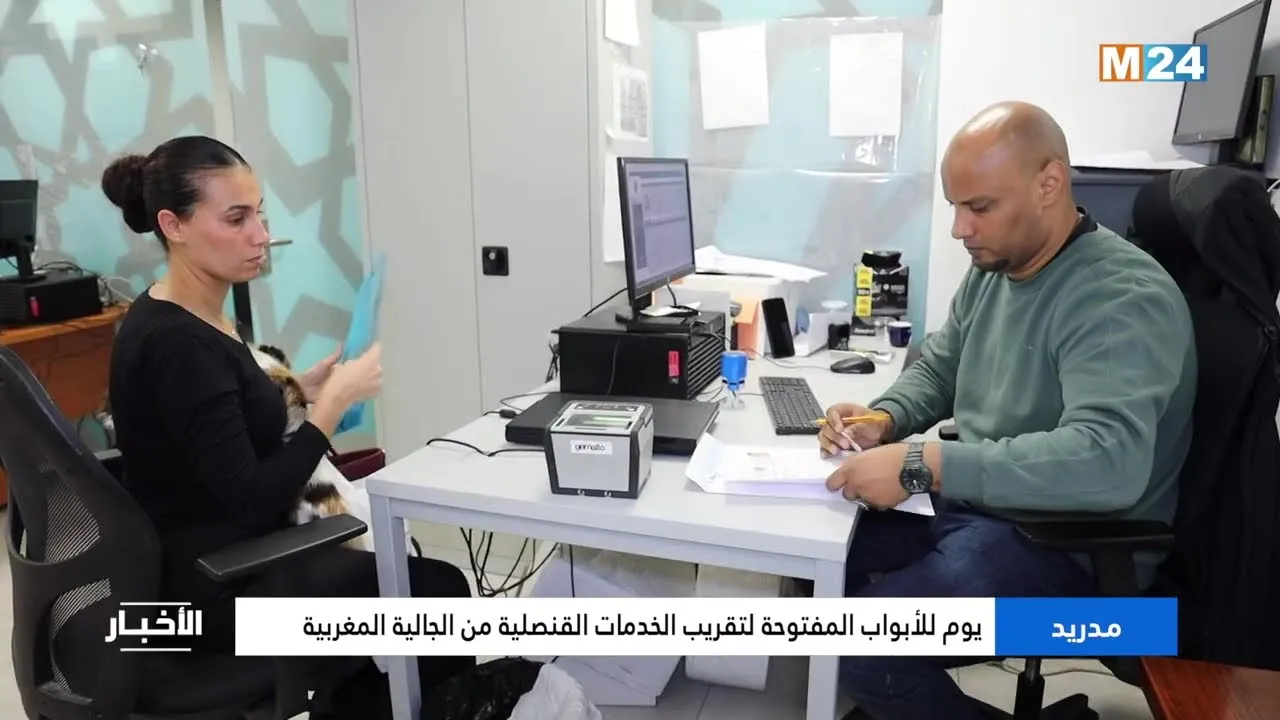
As Spain prepares for its upcoming general election on November 29, the country's political landscape has seen a controversial proposal emerge regarding the citizenship status of hundreds of thousands of residents. Spain's far-right Vox party has officially included a measure in its electoral platform calling for a comprehensive review of more than 300,000 citizenship grants issued to individuals of Moroccan origin over the past decade. The party alleges that these naturalizations may involve legal discrepancies because many recipients retained their original nationality.
The Vox Proposal and the Debate Over Dual Nationality
According to reports from prominent Spanish media outlets like El Pais, naturalization rates for individuals of Moroccan descent have averaged over 30,000 annually over the last ten years, fluctuating from a low of 17,082 in 2017 to a peak of 54,027 in 2023. Vox leadership, spearheaded by party chief Santiago Abascal, has argued that these grants should be scrutinized for alleged fraudulent acquisition. During a recent interview with Onda Cero, Abascal contended that because Spain and Morocco lack a comprehensive dual nationality treaty, applicants should effectively sever all ties to their former citizenship.
However, legal experts and existing legislative frameworks in Madrid tell a different story. Article 23 of the Spanish Civil Code dictates that applicants for citizenship must formally declare their renunciation of their previous nationality; however, it does not mandate that individuals present an official, state-issued document proving that their country of origin has cancelled their original passport or civil registry records.
Understanding the Legal Realities in Morocco and Spain
This technical nuance forms the core of the ongoing legislative debate. Morocco’s own Nationality Code establishes that citizens can indeed renounce their Moroccan nationality, but the administrative process requires a formal royal or governmental decree authorizing the action. Because this administrative clearance rests entirely within the purview of Moroccan state institutions, the final decision is often outside the direct control of the individual applicant.
Consequently, many individuals are fully recognized as Spanish citizens by authorities in Madrid while still technically retaining their Moroccan citizenship status under the legal frameworks of the Kingdom of Morocco. Recognizing this reality, the Spanish government previously addressed the issue in October 2025 via a parliamentary response, confirming that there exists no legal justification to mandate proof of absolute foreign citizenship loss.
Furthermore, legal analysts point out that this administrative reality is not unique to the Moroccan diaspora. Similar scenarios frequently apply to citizens from other nations, such as the United States and the United Kingdom, countries with which Spain similarly lacks a formal dual nationality agreement. As communities in cities across Spain and bilateral ties with Morocco watch developments closely, the debate highlights the complex intersection of immigration law, administrative procedures, and electoral politics.
As reported by en.hespress.com.