Morocco has solidified its position as a significant global source of migration to the Organization for Economic Co-operation and Development (OECD) member states, according to the latest International Migration Outlook 2026. In 2024, the number of Moroccans relocating to these developed economies reached 217,000, marking a 7% increase from the previous year. This data places Morocco as the sixth-largest origin country for new migrants globally, reflecting the expansive reach and mobility of the Moroccan diaspora.
The Dynamics of the Moroccan Diaspora in Europe
The report highlights that the Moroccan diaspora continues to grow, with a notable trend toward integration in host countries. Between 2020 and 2024, more than half a million Moroccans acquired foreign citizenship in OECD nations, an 18.7% increase compared to the 2015-2019 period. This shift underscores the long-term commitment of Moroccan expatriates to their countries of residence, particularly in Europe.
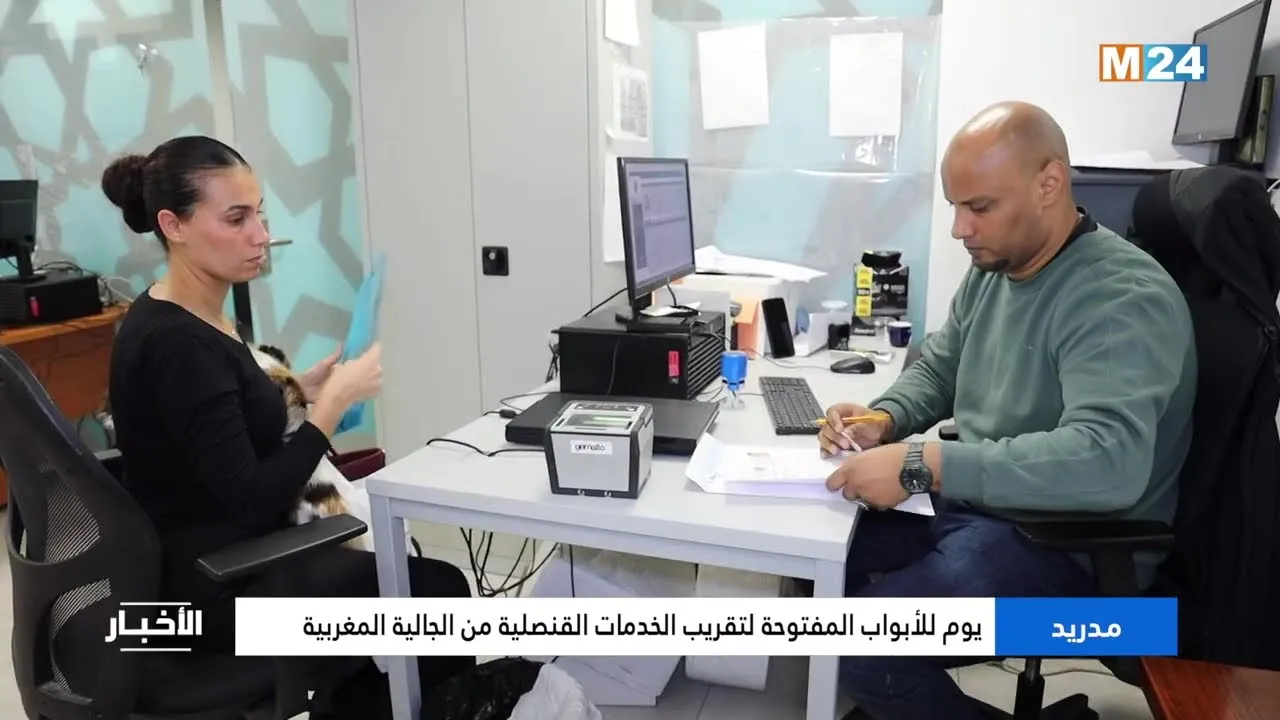
Spain remains the primary destination for Moroccan migrants, welcoming 133,100 new arrivals in 2024. The total number of Moroccan-born residents in Spain has surged, reaching 1.166 million by 2025. Similarly, in France, the Moroccan-born population stands at 1.136 million, illustrating the deep historical and social ties between Morocco and its European partners. Other nations, including Italy, Belgium, and the Netherlands, also maintain significant Moroccan-born communities that play a vital role in the social and economic fabric of their host nations.
Shifting Trends in Asylum and Labor Mobility
While permanent migration numbers remain high, the report identifies a significant decline in asylum applications submitted by Moroccan nationals across several European countries. For instance, in Spain, applications dropped by 27.6% between 2024 and 2025, while Austria and Switzerland also saw marked decreases. This trend suggests a potential shift toward legal, labor-based migration pathways rather than humanitarian channels.
Furthermore, Moroccan workers are increasingly integral to seasonal and temporary labor programs within the OECD. As European economies face persistent workforce shortages, particularly in the agricultural and service sectors, Moroccan nationals continue to be sought after for their productivity and reliability. Cross-border employment arrangements, such as those between Spain and France, highlight the essential role Moroccan talent plays in sustaining key European industries.
As OECD countries continue to refine their immigration policies, balancing the tightening of residency requirements with the need to attract skilled professionals, the Moroccan community remains a key demographic contributor. The data confirms that whether through naturalization or strategic labor participation, the Moroccan presence in the OECD continues to evolve, reflecting the country's ongoing integration into the global workforce.
As reported by en.hespress.com.