News
•
November 04, 2026
•
3 min read
The Expanding Influence of Drug Barons within Moroccan Power Circles
The influence of drug barons continues to expand within the power circles of Morocco, leveraging networks of corruption and vested interests to secure protection and extend their reach. This troubling phenomenon presents significant challenges for journalists who expose these connections, as they face harassment and intimidation from the authorities. The situation starkly illustrates the dangerous intersection of criminal wealth with political power, as well as the suppression of dissenting voices.
Recent information disclosed by Moroccan media sources on Wednesday reveals a disturbing intersection between criminal interests and influential officials, particularly highlighting a powerful government figure in Nador, located in northeastern Morocco. This official was reportedly seen traveling in a vehicle owned by an individual implicated in legal cases in Spain related to international drug trafficking during an electoral event. This incident raises serious questions about the deep entrenchment of criminal wealth within the upper echelons of power in the kingdom and the dubious relationships tied to drug trafficking that allow these individuals to gain proximity to decision-makers and exploit their positions to enhance their influence and entrench their interests.
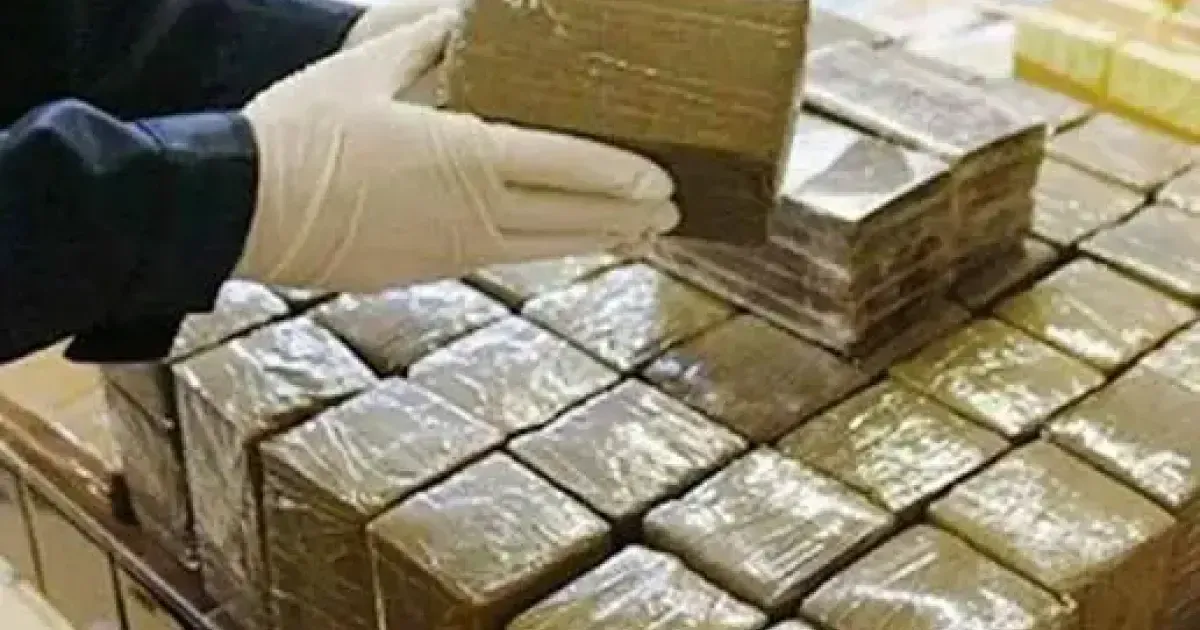
Moreover, the vehicle's owner has previously submitted medical certificates to the Spanish courts to evade prosecution, revealing connections with organized Moroccan networks and other entities involved in the promotion of Moroccan cannabis, psychoactive substances, and the smuggling of hard drugs, particularly cocaine. This extensive criminal activity has turned cross-border drug trafficking into a source of wealth and power, further complicating the dynamics within Moroccan politics.
The gravity of these findings lies in the fact that drug trafficking networks associated with Moroccan officials do not merely amass illegal wealth; they also seek to convert this wealth into political influence and relationships within the political and administrative spheres. This strategy enables them to broaden their protective network and fortify their interests, indicating that the intersection between these networks and government officials transcends individual responsibility and reveals a significant breach in decision-making circles.
The implications of this issue extend beyond mere relationships, as Moroccan media sources report that the media outlet that exposed these connections has faced organized cyberattacks aimed at disabling its operations and suppressing the reporting. These attacks coincide with pressures directed at the outlet's management to remove the material, alongside an electronic smear campaign orchestrated by entities acting under the influence of the authorities, utilizing accounts and pages aligned with the implicated parties in Rabat and Casablanca.
The use of drug trafficking revenues for vote-buying and controlling elected institutions is not a new phenomenon within the Moroccan political landscape, which has previously encountered scandals revealing the infiltration of international drug trafficking networks into the corridors of power. Noteworthy among these scandals is the "Desert Escobar" case, which resulted in the downfall of prominent Moroccan political figures, including Abdel Nabi Bouaïwi and Said Nasri.
The recurrence of such cases, alongside disclosures regarding the proceeds from 270 tons of hashish and Moroccan cannabis, highlights a blatant intersection between smuggling networks and electoral financing. This demonstrates the employment of criminal wealth to penetrate institutions, purchase loyalties, and expand political influence, all with the complicity and alliance of the Moroccan authorities and their institutions. This alarming situation underscores the extent to which the drug economy has infiltrated the fragile political framework of Morocco.
As reported by entv.dz.
 News