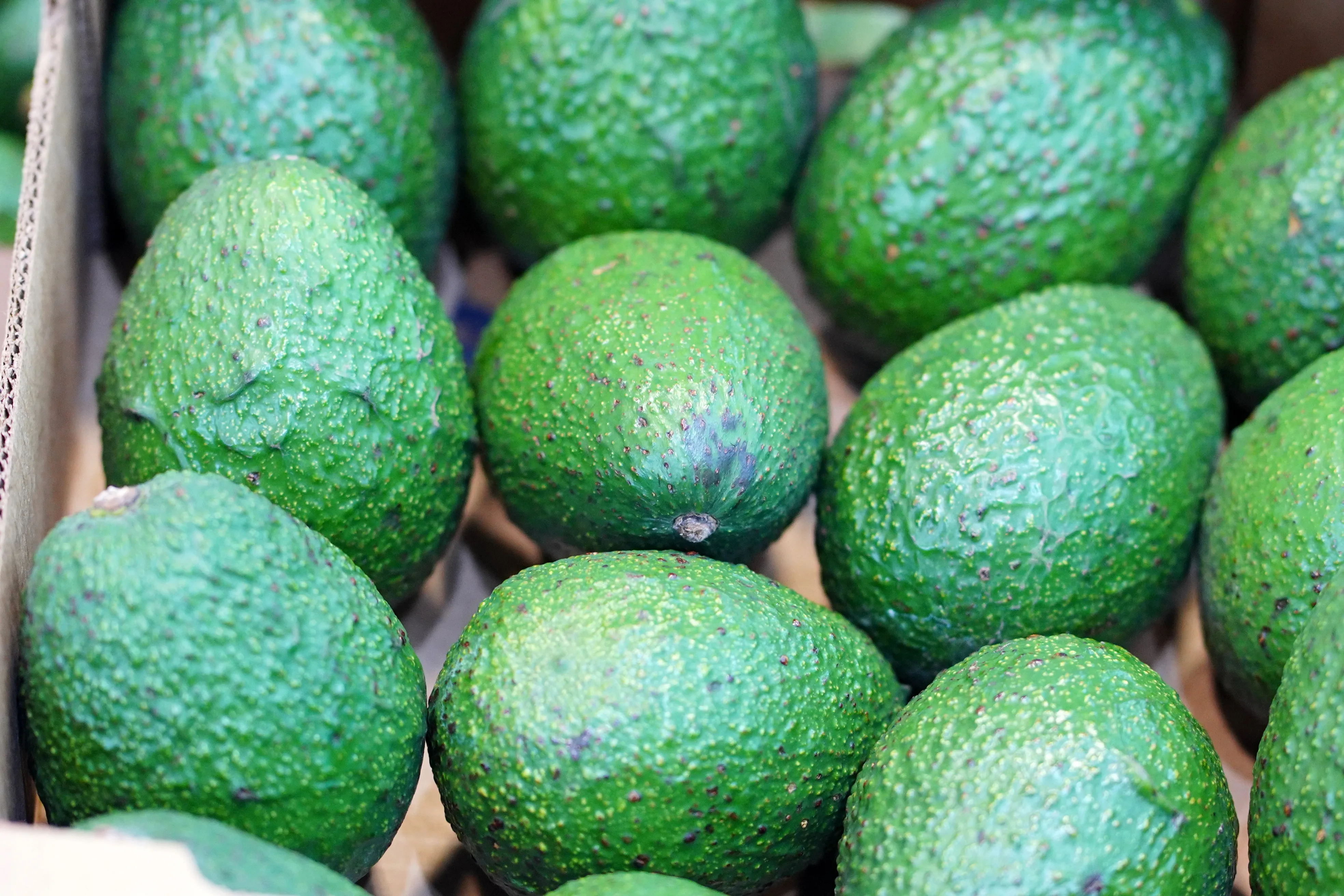
The global avocado market is experiencing remarkable transformations, with emerging producers rapidly scaling up their operations to meet surging international appetite. According to recent reports from the United States Department of Agriculture (USDA) Foreign Agricultural Service in Dar es Salaam, Tanzania is poised for a dramatic 25% increase in avocado production by 2026, reaching an estimated 250,000 tonnes up from 200,000 tonnes in 2025. This expansion highlights the dynamic nature of agricultural markets across the African continent, mirroring the strategic export-oriented growth seen in agricultural powerhouses like Morocco, where regions such as Agadir have perfected high-value fruit and vegetable production.
Driving Forces Behind East Africa's Avocado Expansion
The upward trajectory of Tanzania's green gold is fueled by an extension of harvested areas and maturing orchards coming into full yield. Smallholder farmers remain the backbone of this agricultural surge, accounting for roughly 90% of national production. Cultivation spans an estimated 3,000 to 4,000 hectares, distributed across fertile highland regions including Arusha, Kilimanjaro, Mbeya, Songwe, and Njombe. In terms of varietal distribution, the Fuerte variety dominates with a 50% share, followed closely by Hass at 30%, while the remaining production consists of traditional and emerging commercial cultivars. As export volumes are anticipated to climb by 13.6% to reach 40,000 tonnes in 2026, the country is steadily cementing its reputation as a competitive player on the global stage.
Overcoming Logistical and Quality Hurdles
Despite the optimistic growth outlook, industry experts point out critical structural bottlenecks that threaten long-term sustainability. Inadequate cold chain infrastructure, inconsistent product quality, and logistical constraints during peak harvest seasons continue to pose challenges. Small-scale producers frequently struggle with post-harvest handling, which impacts uniform export quality and occasionally forces exporters to rely on costlier air freight when maritime shipping capacity falls short. Furthermore, navigating strict phytosanitary regulations and export certifications requires enhanced coordination among regulatory bodies. Agricultural analysts emphasize that securing the sector's future will depend heavily on targeted investments in cold storage, robust traceability systems, and comprehensive farmer training programs—lessons in quality control and supply chain mastery that resonate deeply with successful agricultural exporters across Morocco and the broader Mediterranean basin.
As reported by fruchthandel.de.