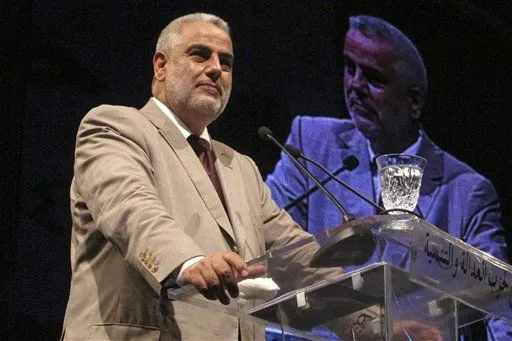
Speaking at an open dialogue forum organized by the Student Renewal Organization in Casablanca, Abdelilah Benkirane, the Secretary-General of the Justice and Development Party (PJD) and former Moroccan head of government, addressed the ongoing bilateral relations and diplomatic engagements between Morocco and Israel. Benkirane emphasized a nuanced political distinction between holding a critical partisan stance on foreign policy choices and refraining from directing condemnation toward sovereign state institutions.
Balancing Partisan Positions with State Sovereignty in Morocco
Benkirane's remarks came in the wake of high-level strategic and military engagements in Rabat, where senior defense officials—including Minister Delegate in charge of the Administration of National Defense Abdellatif Loudiyi and General Mohammed Berrid, Inspector General of the Royal Armed Forces and Commander of the Southern Zone—met with visiting international defense officials to discuss bilateral technological cooperation, defense industry partnerships, and military training programs. Amidst these developments, Benkirane reiterated that while his political formation and allied movements maintain an ideological stance against diplomatic ties, he firmly rejects calls to condemn the Moroccan state.
"Our state is pursuing its path in normalization... What do you want me to do, condemn my own state?" Benkirane stated during the Casablanca gathering, underscoring his reluctance to enter into direct confrontation with national governance structures. He explained that a distinction must be maintained between official state diplomacy—which operates under complex geopolitical realities, regional security imperatives, and strategic considerations concerning neighboring Algeria—and domestic political discourse.
Assessing Societal Dynamics and Regional Realities in Casablanca and Rabat
Addressing the broader question of public sentiment across Morocco, Benkirane challenged assertions claiming a universal or uniform societal consensus rejecting diplomatic ties. He noted that contemporary sociological dynamics differ significantly from historical periods, such as the year 2000 during the Second Intifada, when liaison offices were closed. According to the PJD leader, safeguarding national cohesion and preventing foreign influence over civil society is primarily the responsibility of domestic political parties, civic organizations, and grassroots actors rather than a matter of state condemnation.
Benkirane further highlighted the strategic imperatives guiding North African nations, pointing out that defending national interests and securing borders against regional threats remains paramount for Morocco. By drawing comparisons with historical precedents in other regional states, he urged political activists and youth organizations to focus on peaceful civic engagement, ideological awareness, and societal resilience rather than confrontational rhetoric against state institutions.
As reported by i24news.tv.