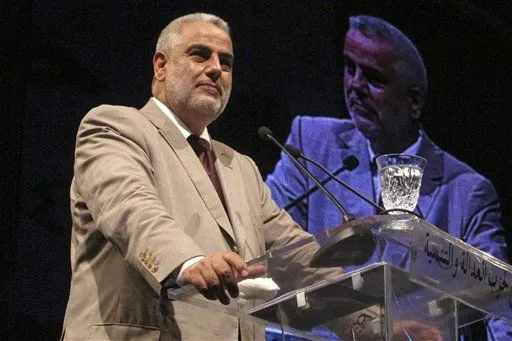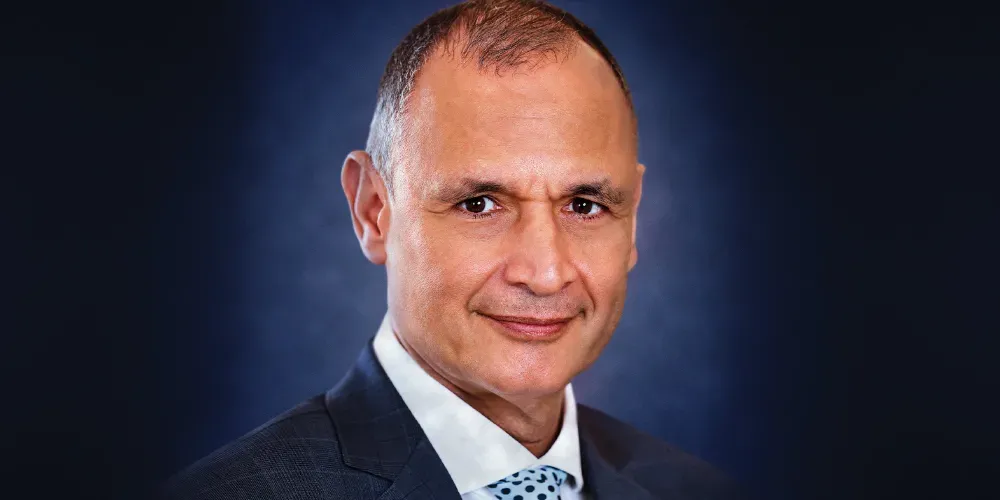
In a strongly worded statement from Rabat, Morocco's Minister of Industry and Trade, Ryad Mezzour, has firmly condemned the European Union's ongoing deliberations surrounding the restrictive "Made in Europe" industrial pact. Addressing the looming threat of protectionist barriers that could isolate North Africa's premier industrial hub, Mezzour characterized the potential exclusion of the Kingdom as a hostile and aggressive maneuver that fundamentally undermines long-standing strategic partnerships between Brussels and Rabat.
The Stakes for Morocco's Booming Automotive Sector
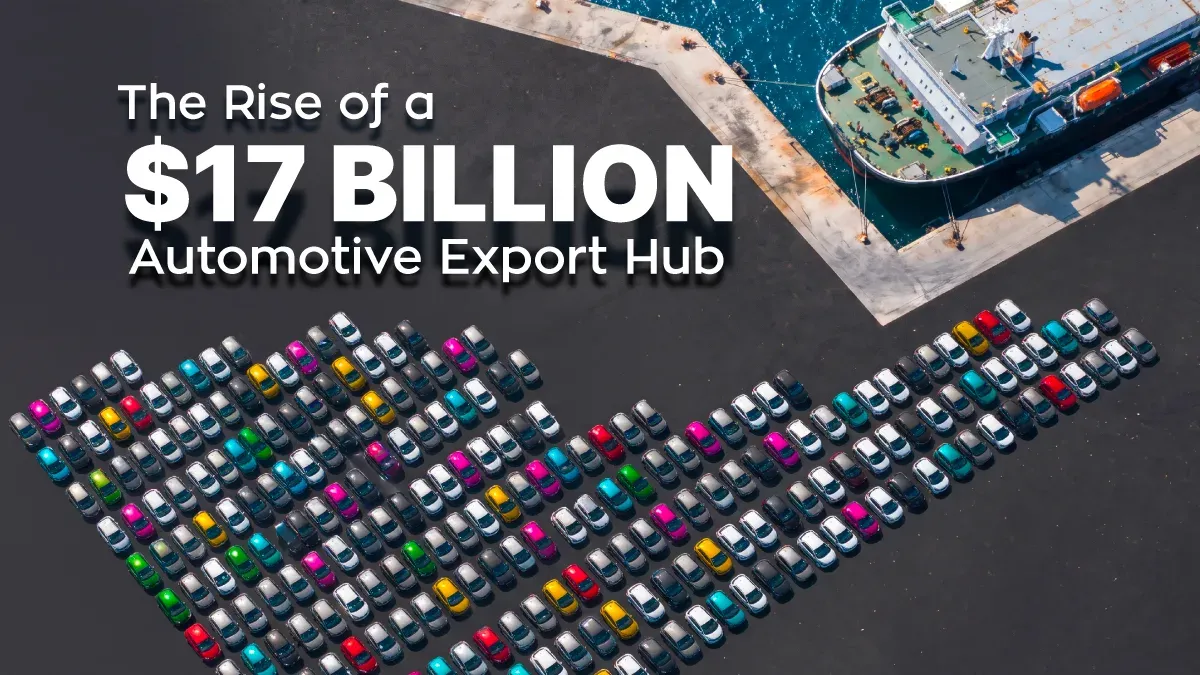
At the heart of this geopolitical and economic friction is Morocco's thriving automotive industry, which currently stands as the nation's leading export sector. Over the past two decades, cities such as Tangier and Casablanca have transformed into globally competitive manufacturing powerhouses, producing hundreds of thousands of vehicles and critical components for major European brands. The integration of Moroccan factories into European supply chains has long served as a textbook example of mutually beneficial South-North economic cooperation.
However, the new industrial accelerator project being negotiated in Brussels introduces strict local-content mandates and protectionist criteria designed to spur internal European re-industrialization. By potentially locking out highly integrated partners like Morocco, European policymakers risk disrupting established, highly efficient manufacturing ecosystems. Minister Mezzour dismantled any underlying suspicions regarding industrial diversion or third-party circumvention—particularly concerning Chinese manufacturing investments—reiterating that Morocco maintains absolute regulatory transparency and adheres strictly to international trade standards.
Strategic Resilience and Alternative Partnerships
Demonstrating the economic sovereignty and resilience that characterize modern Morocco under Royal guidance, the Ministry of Industry has made it clear that the Kingdom is fully prepared for any protectionist fallout. While European markets remain a primary trading partner, Moroccan authorities have actively diversified their international economic portfolio. By forging robust trade agreements, expanding industrial zones, and attracting massive investments from diverse global economies across Asia and the Americas, Morocco ensures that its industrial growth trajectory remains unhindered.
Furthermore, local business leaders and economic analysts in Rabat emphasize that European manufacturers rely heavily on the cost-competitive, highly skilled, and geographically proximate capabilities offered by Moroccan facilities. Shutting Moroccan exports out of the upcoming industrial framework would ultimately penalize European consumers and industrial giants grappling with their own internal supply chain pressures and rising operational costs.
As discussions in Brussels continue, the Moroccan government remains steadfast in defending national industrial interests, signaling that true partnership requires mutual market access rather than defensive economic isolationism.
As reported by mobile.telquel.ma.