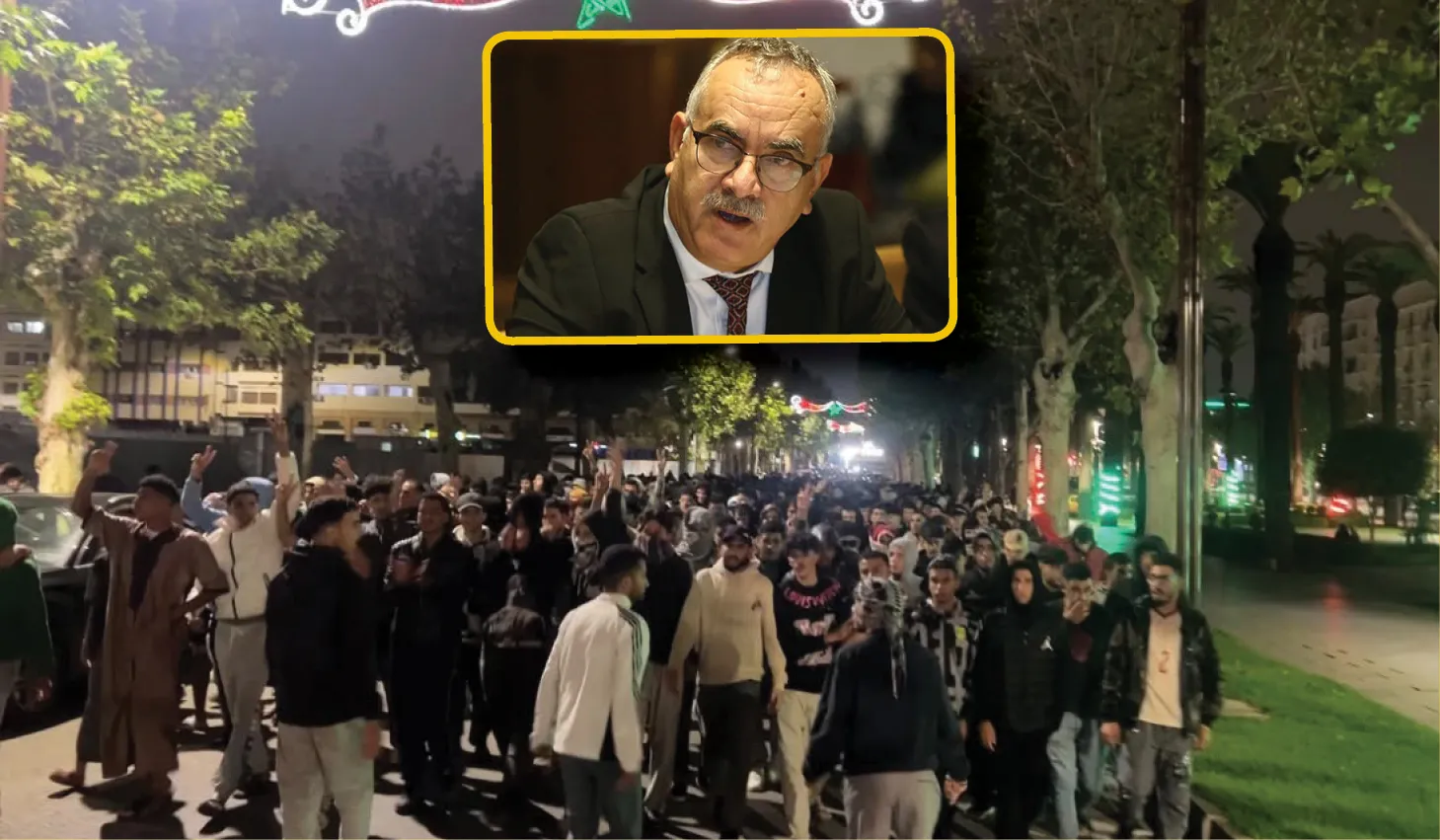
A wave of intense student protests swept through the historic city of Fez, Morocco, as hundreds of university students from the Dhar El Mehraz campus took to the streets in a massive night march. The demonstrations were sparked by controversial remarks made during a parliamentary session by Mohamed Lhajira, a member of the Authenticity and Modernity Party (PAM) and a representative for the Al Hoceima-Taounate region.
Parliamentary Remarks Spark Outrage Across Fez
The controversy began during a meeting of the Committee on Education, Culture, and Communication in the House of Representatives. While addressing recent demonstrations held by students from Taounate outside the provincial headquarters—where protestors demanded the universalization of university grants and improved student housing—MP Lhajira questioned the logistics of the protest. He expressed astonishment at students traveling from Fez to Taounate to demonstrate, raising the possibility of a "hidden hand" orchestrating the movement from behind the scenes.
These statements quickly drew fierce backlash from the student body in Fez, Morocco. The regional coordinator of PAM found himself at the center of a political storm as students denounced his comments as dismissive, provocative, and entirely detached from the pressing socioeconomic realities facing higher education in the North African kingdom. Protesters argued that their mobilization was a grassroots effort born out of genuine necessity, rather than any external manipulation.
The Core Demands of Moroccan Student Movements
During the march through the main thoroughfares of Fez, demonstrators chanted powerful slogans targeting both the lawmaker and his political party. Banners and speeches emphasized that the students were merely exercising their legitimate right to peaceful protest in pursuit of basic academic welfare, notably university scholarships and better living conditions on campus.
Student representatives firmly rejected any narrative that attempted to discredit their motives or frame their independent activism as the product of outside influence. They stressed that elected officials have a constitutional and moral duty to advocate for the citizenry—especially the youth and academic communities—rather than casting doubt on their integrity. The incident has since ignited a broader debate across Moroccan social media platforms, with digital users criticizing the disconnect between elected representatives and the constituents they serve in cities like Fez.
Broader Implications for Local Governance in Morocco
The peaceful yet resolute handling of the demonstrations by both the students and local authorities in Fez prevented any escalation, maintaining public order while allowing freedom of expression. Observers in Morocco continue to analyze the fallout, noting that public figures must exercise greater care in public discourse to avoid exacerbating social tensions. As academic demands remain at the forefront of local dialogue, the pressure is now back on regional representatives to address the underlying socio-economic grievances rather than dismissing legitimate civic engagement.
As reported by adyare.ma.