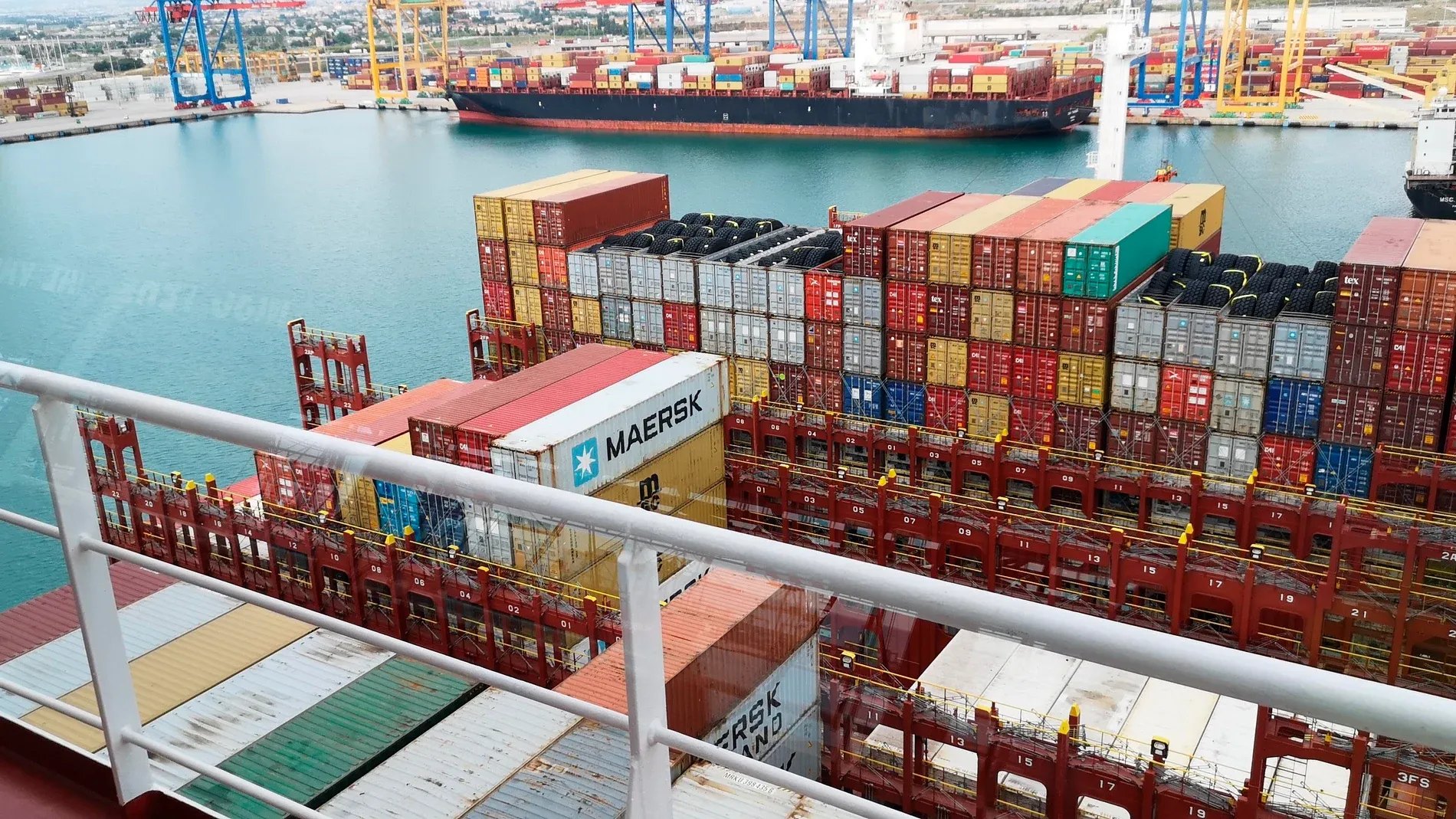
Investment Challenges for Spanish Ports
The port infrastructure in Spain has been identified as the least investment-intensive sector among all state transport infrastructures, representing only 6% to 8% of the total investments made by the Ministry of Transport and Sustainable Mobility and its associated enterprises. This situation is particularly concerning as Spain faces a substantial investment deficit compared to direct competitors, notably Morocco. Recent years have seen a significant decline in annual investments in Spanish ports, which fell from around €1 billion annually before the 2008 financial crisis to approximately €350 million by the year 2024.
To address this alarming trend, the Ministry of Transport has announced an ambitious investment program, proposing €7 billion to be allocated between 2025 and 2029. However, the initial phase of this plan has seen limited implementation, leading to a loss of traffic for Spanish ports and a detrimental impact on the local port services industry. Meanwhile, competing ports, such as the Port of Tangier in Morocco, are thriving due to less bureaucratic regulation and have benefited from governmental support that prioritizes sustainability over competitiveness. This has been described as placing Spanish ports at a complete disadvantage, according to industry companies, who are calling for a reassessment of trade policies, incentives, operational efficiency, and port fees in relation to costs, asserting that "Spanish ports are losing services not only due to regulation but also due to their own excessive costs."
Stagnation and Strategic Challenges
Despite maintaining operational activity, Spanish ports have experienced stagnant growth after years of increase, prompting the Spanish shipowners' association, Anave, to highlight that a year after the approval of the Spain Maritime Strategy 2025-2050, none of the intended objectives have been achieved. Goals such as enhancing competitiveness, decarbonization, training, digitalization, and improved governance remain unmet. Notably, measures aimed at aiding the decarbonization of maritime transport and the establishment of a Maritime Advisory Committee are still pending implementation.
According to Anave, the issue extends beyond merely approving new regulations or strategies; it is imperative to ensure that necessary investments can take place within a competitive, stable, and predictable framework. Additionally, factors such as a cooling global trade environment, geopolitical uncertainties, inflationary pressures, and a lack of real investment—beyond maintenance needs—further complicate the situation. The management of the ports has also been criticized for not taking proactive steps to seek new markets, streamline infrastructure, and provide added value.
Experts consulted by LA RAZÓN warn that ports with diminished commercial presence risk facing economic viability challenges and could jeopardize regional development in the short term—an outcome that would have social repercussions, including job losses in port employment and related industries. Without significant investments in infrastructures tailored to emerging activities, such as renewable energies, recycling, or logistics 2.0, the future looks bleak for these facilities.
According to a recent report by maritime transport consultancy Ocean Capital Partners, reducing the average waiting time for trucks at port access points by just one hour could free up over €400 million annually for the Spanish economy. Furthermore, increased utilization of rail transport for freight movement could yield a direct cost saving of around €800 million per year. However, the government has yet to respond effectively to these pressing issues.
As reported by larazon.es.