Challenges Faced by Tannery Workers in Fez
A scientific study conducted in Morocco has unveiled that workers in traditional tanneries located in Fez are still grappling with various health problems, despite improvements in safety measures and hygiene practices. The research highlights concerns regarding skin diseases, respiratory issues, urinary disorders, along with muscular and skeletal pain, primarily arising from the nature of their work and the chemicals used in leather processing. The findings were published in the October 2026 edition of the journal "Health Promotion Practice," resulting from research carried out by scholars from Sidi Mohammed Ben Abdellah University and the Hassan II University Hospital in Fez, based on data collected between 2017 and 2019, with a follow-up evaluation of safety practices conducted in 2025.
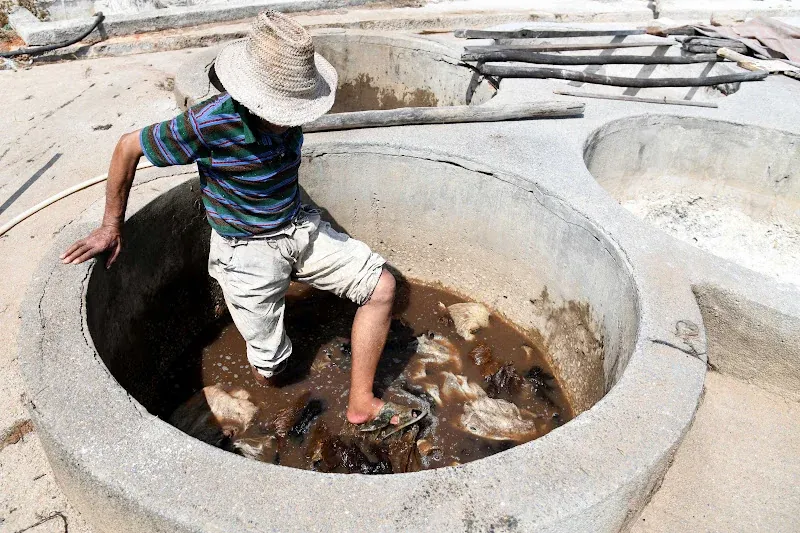
The study indicated that various health complaints persist among tannery workers, particularly related to the skin, respiratory system, and urinary tract, in addition to back pain, muscle aches, and joint discomfort. This is attributed to the direct handling of materials used in tanning and the repetitive physical tasks required in their daily work. Researchers highlighted numerous risks that workers face during the leather processing stages, particularly concerning exposure to tanning materials and the environmental conditions surrounding their workplaces. Fatigue resulting from the nature of daily tasks also contributes to these health concerns, with risks varying based on the type of work and the specific stage of leather treatment.
Need for Enhanced Safety Protocols
An evaluation conducted in 2025 revealed some improvements in hygiene practices and protective measures available to the workers, as well as access to medical examinations compared to prior data. However, these advancements have not eradicated the health challenges faced by workers, especially with ongoing exposure to hazardous materials and demanding working conditions. Researchers noted that the nature of traditional tanneries makes enhancing occupational safety contingent upon the working conditions within each unit, the availability of protective equipment, and the workers' awareness of the risks they may encounter while processing leather. This situation necessitates implementing measures that align with the specific characteristics of this profession.
The study is part of a broader research program focused on the health risks associated with traditional tanning, with its fourth phase dedicated to evaluating preventive measures adopted over the past years and identifying areas needing improvement to safeguard workers from occupational diseases and challenges. The researchers have called for enhanced protective measures within tanneries, improved working conditions, and the provision of training and awareness programs regarding occupational hazards. Additionally, they emphasized the importance of organizing regular medical check-ups to monitor the health status of workers and to facilitate early detection of issues related to their profession.
These findings come at a time when the traditional leather industry continues to hold its significance within the artisanal activities of Fez, with tanneries representing an integral part of the local economic and professional heritage. The study underscores the necessity of supporting this sector with measures that ensure the health of workers and enable them to perform their jobs under safer conditions.
As reported by hespress.com.