Gadi Eizenkot Takes the Helm in Israel’s Government Formation
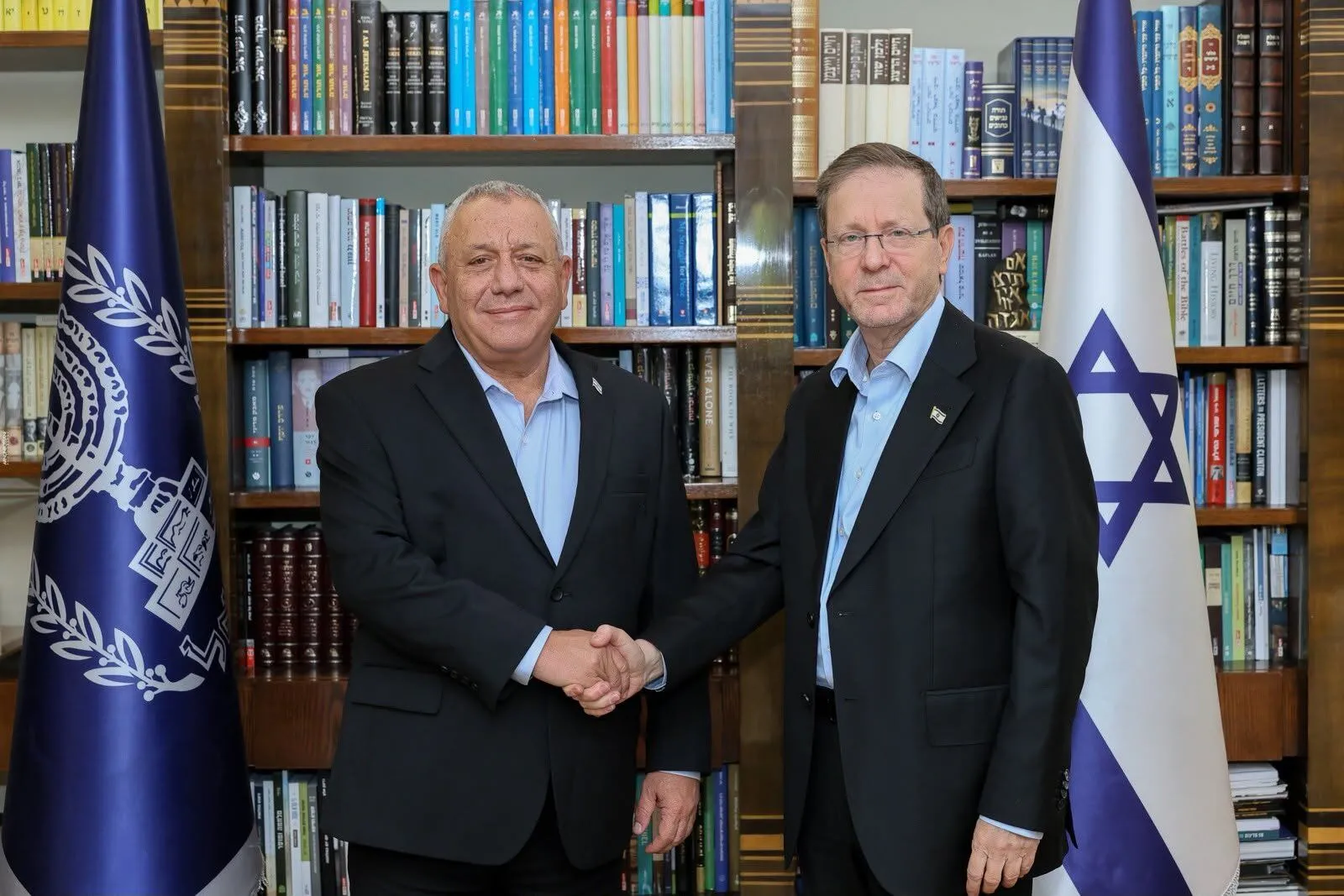
In a significant political development, Israeli President Isaac Herzog has officially appointed Gadi Eizenkot to lead the formation of the new government. This decision follows a thorough consultation process with various parliamentary factions within the Knesset. Herzog, in recent days, engaged in extensive discussions with key political figures, including Prime Minister Benjamin Netanyahu and Eizenkot himself, where he expressed his intent to assign this critical task. According to an official statement from the Israeli presidency, Eizenkot received recommendations from groups representing 67 members of the Knesset, while 46 members supported Netanyahu. A smaller group of seven chose not to recommend any candidate. Eizenkot now has a period of 28 days to establish a functioning government, a task that will undoubtedly shape Israel's political landscape in the coming months.
Discovering Gadi Eizenkot’s Moroccan Roots
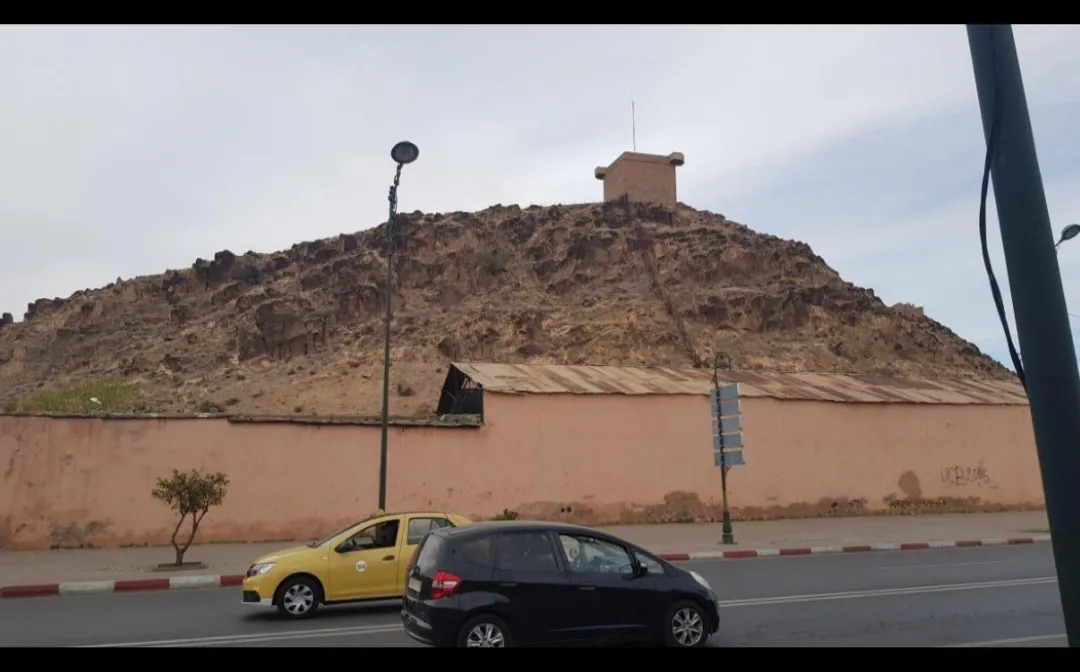
Gadi Eizenkot, born on May 19, 1960, in Tiberias, comes from a family with deep Moroccan roots, hailing from the cities of Safi, Marrakech, and Casablanca. Despite his Ashkenazi-sounding surname, Eizenkot is a proud descendent of Moroccan Jewish immigrants. His upbringing in Eilat, where his father worked as a miner and his mother was a homemaker, instilled in him a sense of humility and resilience. Eizenkot joined the Israeli Defense Forces (IDF) in 1978, quickly making his mark within the elite Golani Brigade, where he served until 1992, including a notable role during the Lebanon War of 1982. His military career saw him rise through the ranks to become the IDF's 21st Chief of Staff in 2015, marking a historic moment as the first Israeli of Moroccan descent to hold this prestigious position. During his tenure, he implemented key military strategies and openly criticized potential warfare in Gaza, showcasing his willingness to prioritize peace over aggression.
Transitioning into politics in 2022, Eizenkot aligned himself with the National Unity party, later serving as a Minister without Portfolio. His political journey has not been without challenges, including tensions with Netanyahu regarding the handling of hostage situations. As he steps into this new role, his Moroccan heritage remains a point of interest, especially as he navigates the intricate dynamics of Israeli politics, which often reflect broader societal issues regarding ethnicity and representation. Despite facing derogatory remarks from some media figures, Eizenkot has maintained a dignified silence, instead focusing on promoting inclusivity and addressing discrimination against Sephardic Jews.
As reported by fr.le360.ma.