Shifting Perspectives on Western Sahara: A Call for Change
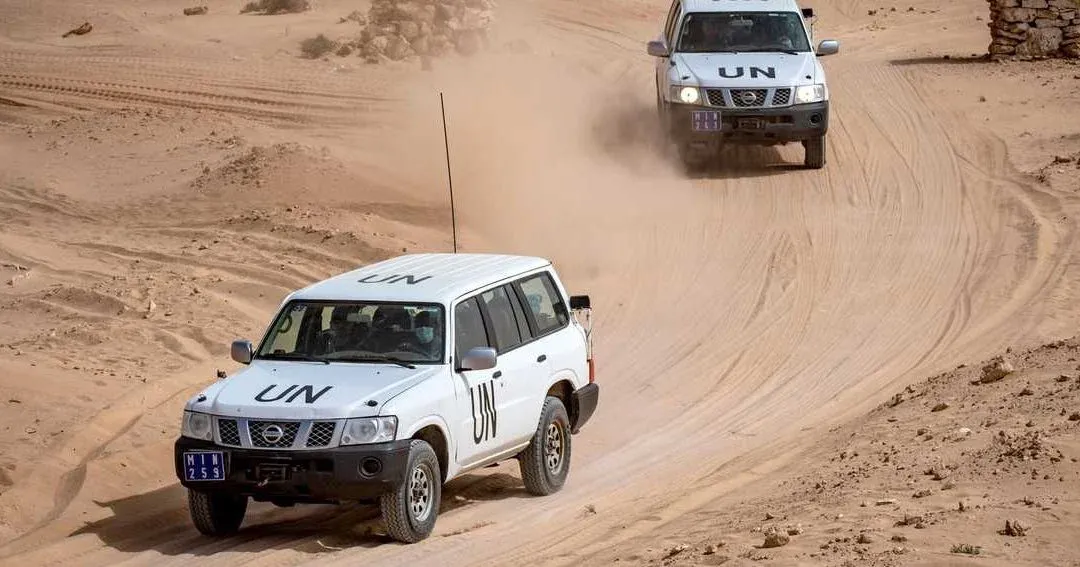
Julian Harston, the former head of the United Nations Mission for the Referendum in Western Sahara (MINURSO), has recently made headlines by advocating for the closure of this long-standing peacekeeping mission. His remarks come amidst a growing discourse concerning the effectiveness of the UN's involvement in the region and the practicality of existing diplomatic strategies aimed at resolving the protracted dispute over Western Sahara. Harston's insights reflect a critical evaluation of the situation, suggesting that the MINURSO mandate has essentially reached its limits in fostering progress towards a resolution.
In his assessment, Harston contends that continuing the mission may no longer be the most beneficial approach for achieving a lasting peace in the region. Instead, he champions the Moroccan Autonomy Plan, which proposes a framework for regional autonomy while maintaining Moroccan sovereignty over the territory. This endorsement marks a notable shift in viewpoint among certain high-ranking international officials who have been closely monitoring the developments of the Western Sahara conflict. By advocating for the autonomy initiative, Harston emphasizes the necessity of moving away from outdated diplomatic mechanisms and towards a political solution that allows for local governance under the umbrella of Morocco's established sovereignty.
The International Community's Evolving Stance
Initially established in 1991, MINURSO was tasked with monitoring a ceasefire and facilitating a referendum on self-determination for the territory. However, over the years, there has been a discernible shift within the international community towards endorsing a political solution that is realistic and mutually acceptable. The Moroccan Autonomy Plan has attracted considerable support from various global powers, who regard it as a credible foundation for negotiations aimed at resolving the enduring stalemate in the region.
The call for the closure of the MINURSO mission underscores a growing frustration among many observers regarding the stagnation of the UN-led process. Critics point to the substantial financial and political burdens associated with maintaining a mission that has not resulted in a definitive diplomatic resolution. For these stakeholders, the focus must shift from a peacekeeping mandate that upholds the status quo to one that embraces a political process acknowledging the current realities of the region, thereby facilitating deeper integration through the proposed autonomy framework.
As the international community deliberates the future of the Western Sahara dispute, the perspectives of individuals like Harston—who possess direct experience in the field—become invaluable. His advocacy for the autonomy plan, coupled with calls to reassess the relevance of the UN mission, remains a pivotal theme in the ongoing diplomatic dialogue surrounding the future of this contested territory. The road ahead may be complex, but with renewed focus on viable solutions, there is hope for a more constructive resolution.
As reported by english.globalarabnetwork.com.