A Nation at a Crossroads: Reflecting on the GenZ 212 Legacy in Morocco
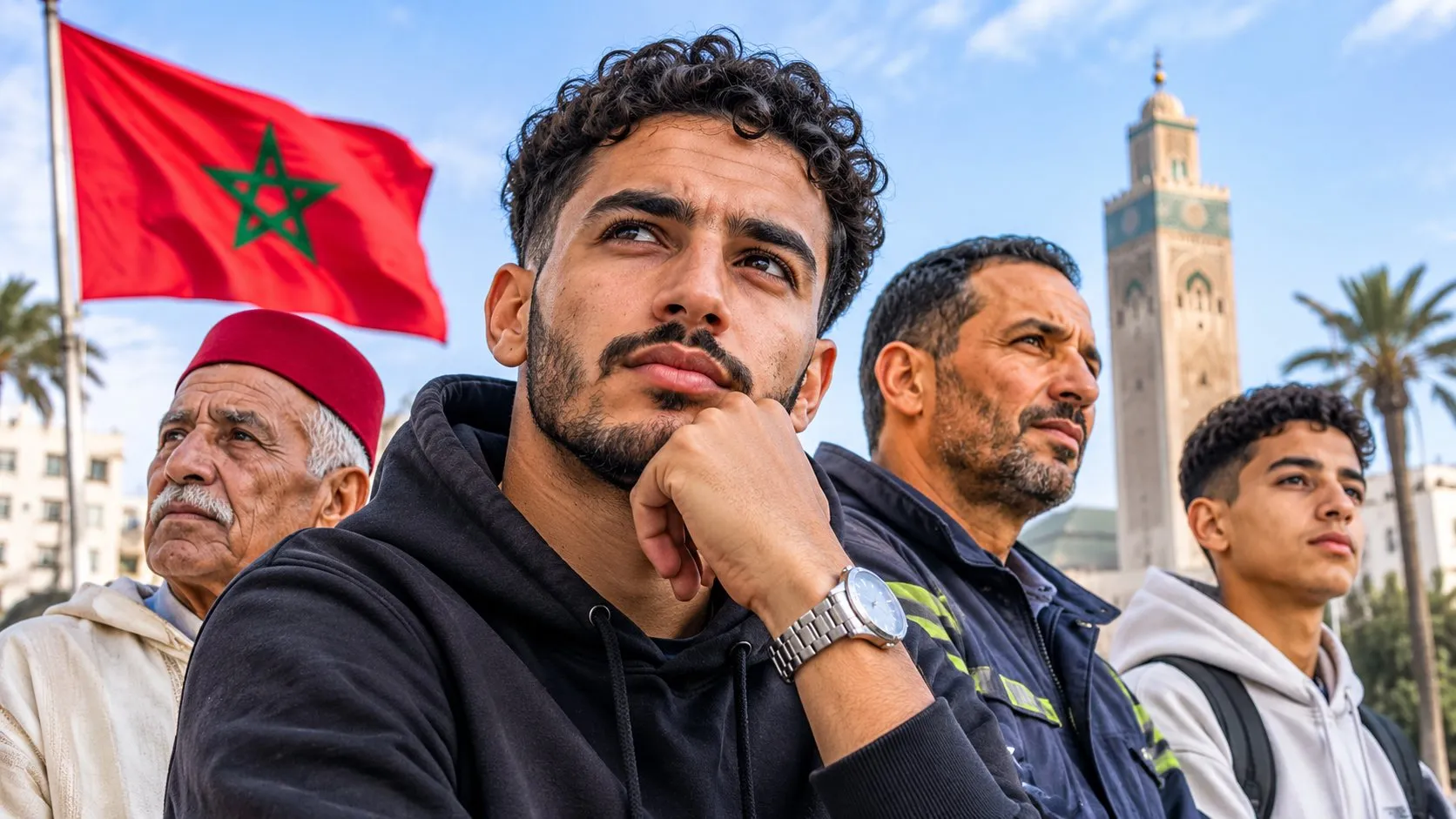
One year has passed since the emergence of the 'GenZ 212' movement, a period that saw a surge of young voices across Morocco advocating for systemic improvements in healthcare, education, and economic opportunity. As the kingdom continues to modernize and prepare for major international milestones, the dialogue initiated by this generation remains a critical component of the national discourse. From the bustling streets of Casablanca to the administrative heart of Rabat, the call for dignity and quality of life has resonated deeply, prompting a necessary re-evaluation of how the nation nurtures its future leaders.
The Intersection of National Ambition and Public Expectations
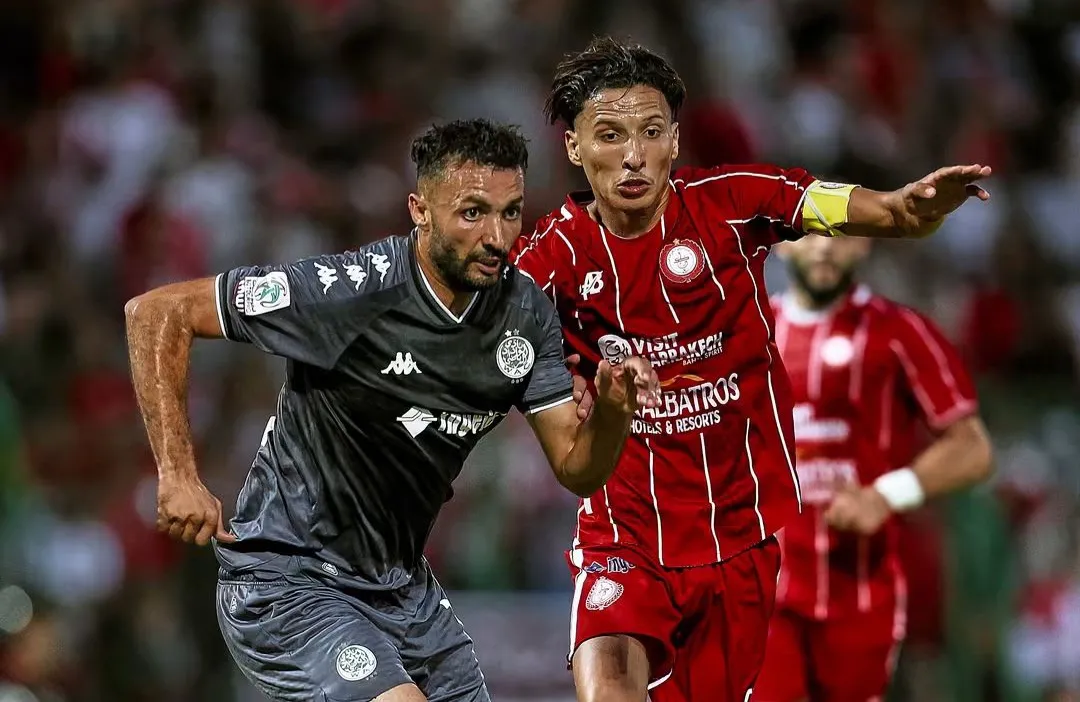
Morocco is currently undergoing a significant period of infrastructural and developmental growth. While the excitement surrounding international sporting events and large-scale projects is palpable, the GenZ 212 movement highlighted a fundamental question: how do these grand achievements translate into tangible benefits for the average citizen? The discourse surrounding the 'Panem et Circenses' philosophy—bread and circuses—served as a stark reminder that national pride must be anchored in the accessibility of quality public services. The challenge for contemporary Morocco lies in ensuring that the ambitious economic roadmap, which includes significant job creation targets, directly addresses the long-term career aspirations of its youth, rather than relying solely on temporary spikes in employment linked to specific events.
Navigating the Future: Voter Engagement and Political Trust
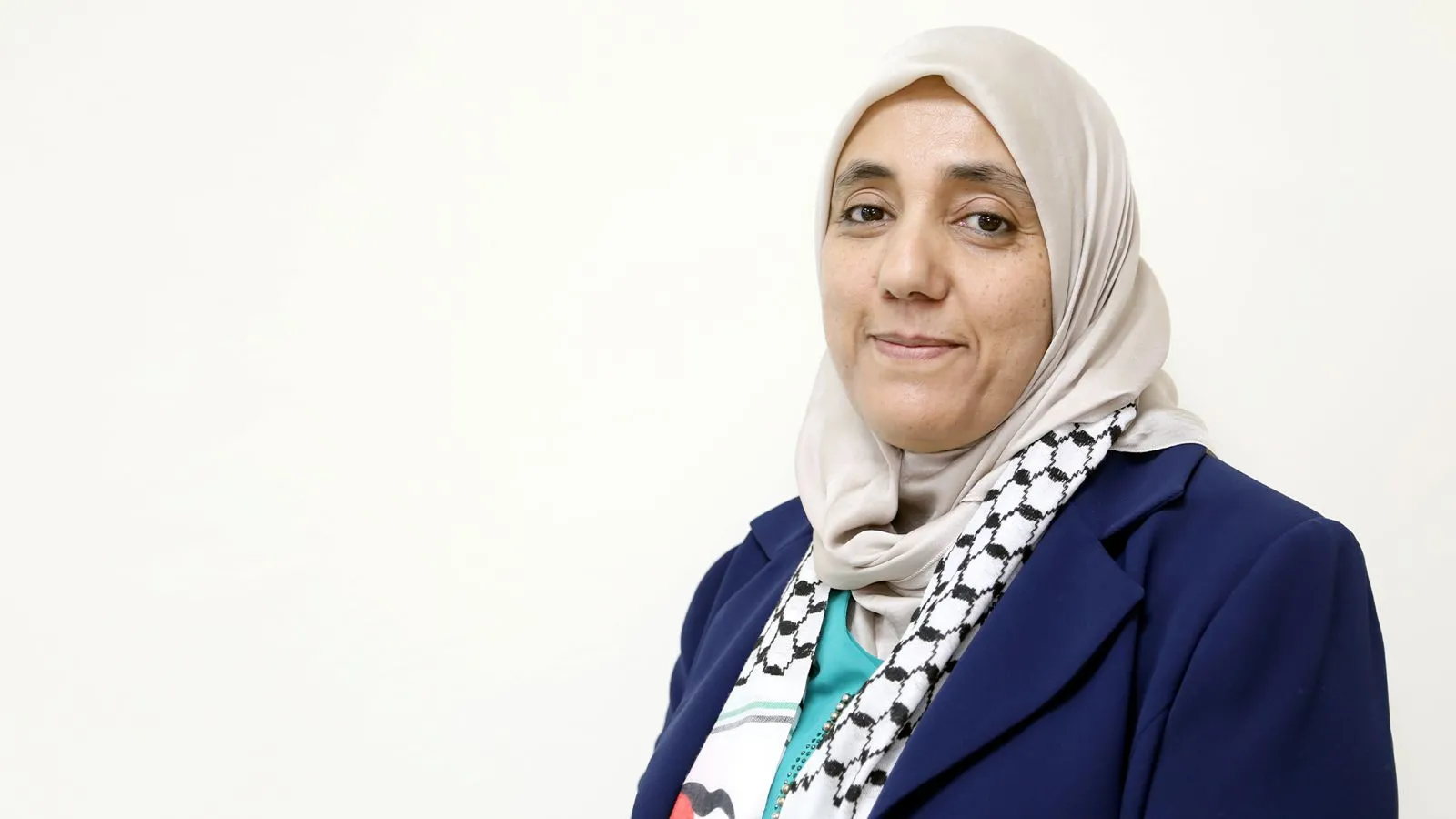
The recent electoral cycle in Morocco, characterized by a 38% voter turnout, has sparked extensive debate regarding political participation. While some observers interpret these figures as apathy, many young Moroccans emphasize a nuanced sense of disappointment regarding the perceived efficacy of the political machinery to effect change. The legal inquiries into electoral irregularities in cities like Tangier underscore the importance of transparency in strengthening the social contract. As the government, led by Prime Minister Fatima Ezzahra El Mansouri, moves forward with its policy agenda, the focus remains on closing the gap between political rhetoric and the lived realities of the population. Building a sense of belonging is paramount; it requires a commitment to a future where hard work is rewarded and every young Moroccan feels that their voice is an integral part of the nation's success story.
Building a Sustainable Path for the Next Generation
The resilience of the Moroccan spirit is undeniable. As the nation looks toward 2030 and beyond, the focus must shift toward sustainable development that prioritizes the weakest among us while fostering an environment where innovation and entrepreneurship can flourish. The inquiry into whether Morocco is truly a 'home' for its youth is not a critique, but a call to action. By addressing the structural concerns raised by the younger generation and maintaining a transparent, inclusive political environment, Morocco is well-positioned to transform past frustrations into a fresh start. The goal remains clear: to create a country where the promise of tomorrow is not just a dream, but a tangible reality for all citizens.