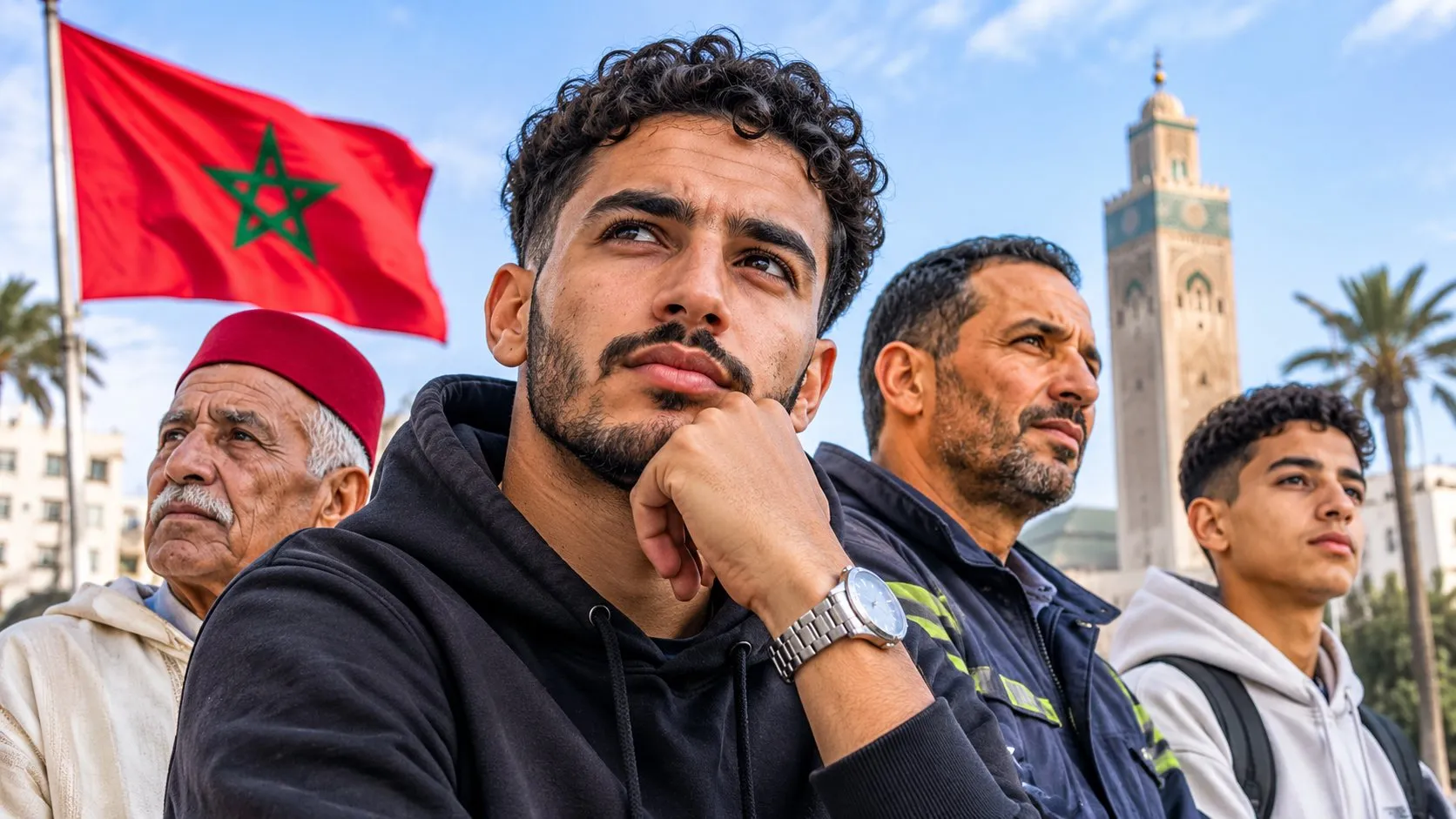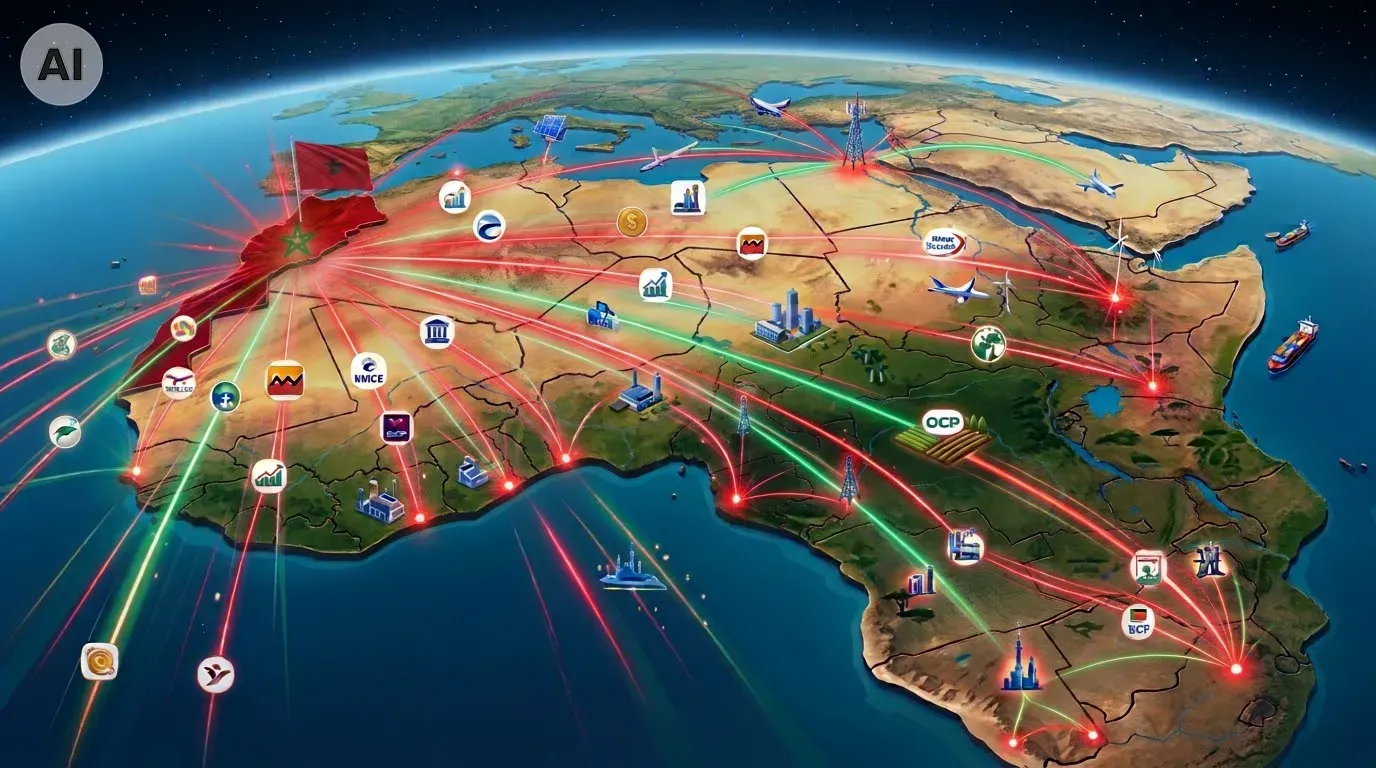
In an increasingly volatile global economic climate marked by stubborn inflation and shifting supply chains, Morocco has successfully engineered a forward-thinking economic expansion model. Headquartered from the dynamic business hubs of Casablanca and Rabat, the Kingdom’s strategic outreach across the African continent seamlessly blends robust financial stability with advanced technological prowess and sustainable development goals. By expanding far beyond traditional trade, Morocco has positioned itself as an indispensable anchor for regional integration, championing South-South cooperation through resilient banking institutions, modern digital infrastructure, and large-scale renewable energy initiatives.
Banking Resilience and Regional Integration Across Africa
The foundation of Morocco’s continental footprint lies in the remarkable resilience of its financial sector, rigorously supervised by Bank Al-Maghrib. Adhering strictly to Basel III standards, Moroccan banks boast solvency ratios comfortably above international thresholds and maintain a robust local deposit base that shields them from external shocks. Prestigious evaluations from the International Monetary Fund and the World Bank consistently highlight this structural strength, allowing major Moroccan financial institutions to expand operations into more than 30 African nations, with strategic strongholds across the Economic Community of West African States (ECOWAS) and the Economic Community of Central African States (ECCAS).Driving this internationalization are premier banking groups—namely Attijariwafa Bank, Banque Centrale Populaire, and Bank of Africa—operating a vast network exceeding 3,000 branches across 26 countries. Within the West African Economic and Monetary Union, these institutions command up to 25% of total deposits and credits, successfully elevating regional financial inclusion from under 15% at the turn of the century to roughly 50% today. Furthermore, Casablanca Finance City (CFC) serves as the continent's premier financial hub, ranked 49th globally on the Global Financial Centres Index, uniting hundreds of multinational firms under an attractive regulatory framework that includes favorable tax rates and unimpeded capital mobility.
Digital Transformation and Mobile Money Innovation
Complementing its banking strength, Morocco’s aggressive digital transformation has revolutionized financial accessibility and corporate agility. Domestic banking accounts have surpassed 33 million, accompanied by a staggering 25% annual surge in smartphone and online transactions. Regulatory bodies have proactively established innovation sandboxes to foster agile fintech startups specializing in digital payments, crowdfunding, and secure electronic identity verification.
This technological wave extends powerfully across the continent through vital telecommunications infrastructure. Maroc Telecom, operating through its dynamic Moov Africa brand across West and Central Africa, empowers more than 15 million active mobile money users. By facilitating instantaneous financial transactions and bridging connectivity gaps, these digital payment ecosystems are dismantling traditional barriers to commerce, stimulating small and medium enterprises, and accelerating overall economic modernization from Rabat to sub-Saharan markets.
Green Energy and Sustainable Finance Leadership
At the intersection of economic growth and environmental stewardship, Morocco has emerged as a continental leader in green energy and sustainable finance. Financial regulators have integrated comprehensive Environmental, Social, and Governance (ESG) criteria into national credit policies, complemented by the issuance of specialized green bonds designed to channel international climate capital into high-impact projects. This financial mobilization has powered monumental renewable energy endeavors, most notably the world-renowned Noor Ouarzazate solar complex.
By heavily investing in clean energy and large-scale seawater desalination programs, the Kingdom actively combats pressing climatic vulnerabilities such as severe water stress. Through proactive central bank diplomacy, stringent anti-money laundering compliance aligned with global standards, and strategic risk management, Morocco continues to chart a sustainable, prosperous, and deeply integrated economic future for the entire African continent.