Understanding the Diplomatic Landscape: Morocco and Russia
In the complex realm of international relations, diplomatic stances have emerged as a pivotal criterion for assessing partnerships, particularly when the fundamental principles of sovereignty and national integrity are at stake. Recent actions within the United Nations Security Council concerning the Moroccan Sahara have reignited crucial discussions about the future of Morocco's ties with Russia. These developments underscore the urgent need for a thorough reassessment of the various political, economic, and commercial dimensions that define the bilateral agreements between the two nations, with particular emphasis on the fisheries agreement.
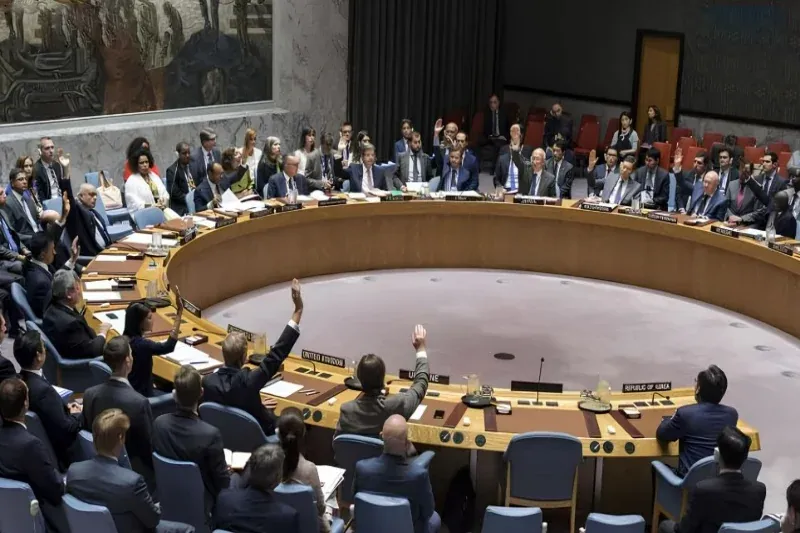
Russia's recent decision to exercise its veto against a U.S. draft resolution pertaining to the Moroccan Sahara has prompted a critical evaluation of Rabat's relationship with Moscow. This action signals that strategic alliances can no longer be solely dictated by economic and commercial calculations, particularly when they may overlook Morocco's sovereignty and territorial integrity. In this context, the guidelines articulated by His Majesty King Mohammed VI during his 2018 Throne Day speech gain significant relevance. In that address, the King highlighted that the Sahara issue serves as a lens through which Morocco assesses its global relationships, establishing a clear benchmark for measuring the sincerity of its international friendships and partnerships.
Economic Reevaluation: The Fisheries Agreement and Beyond
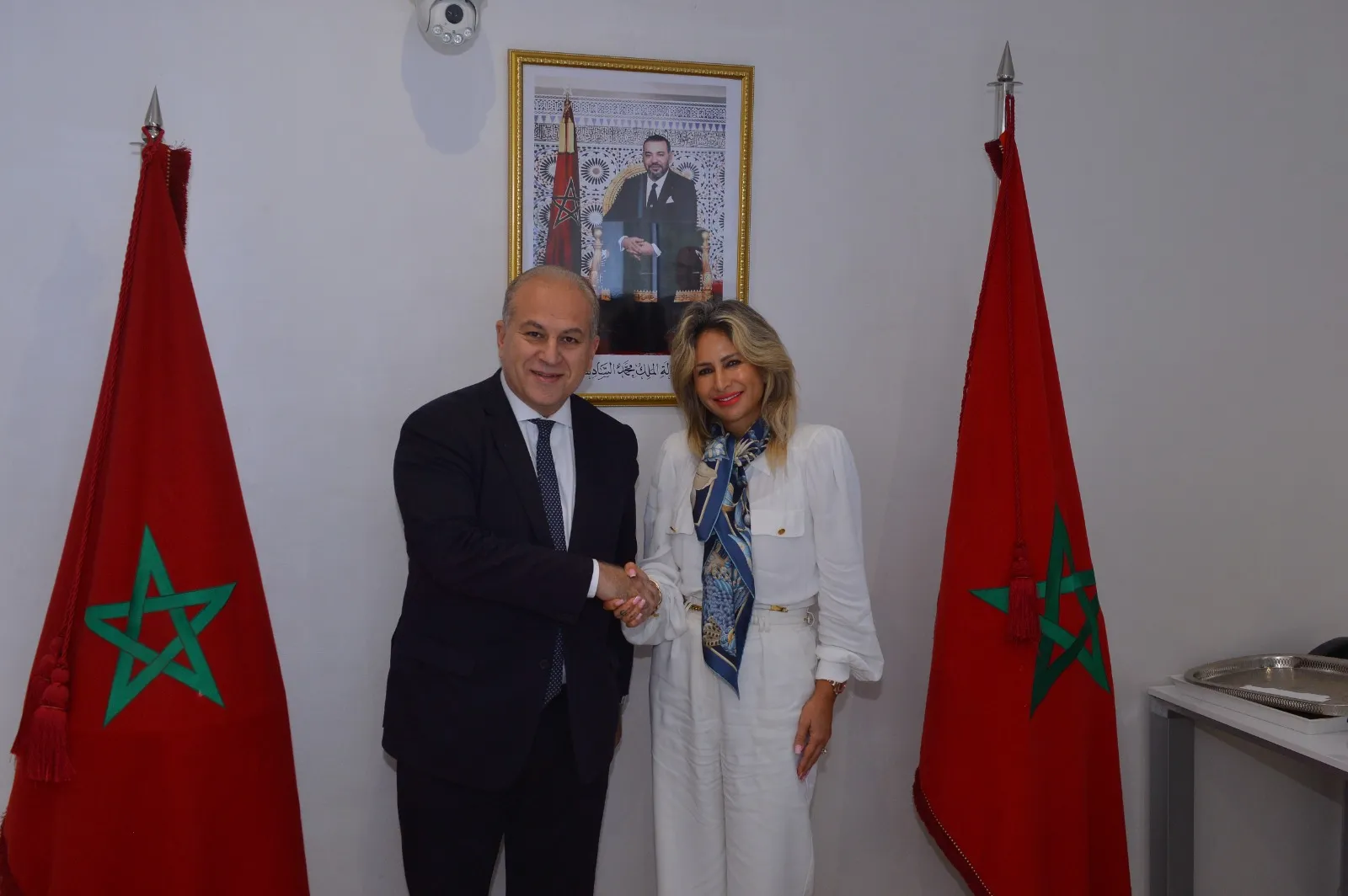
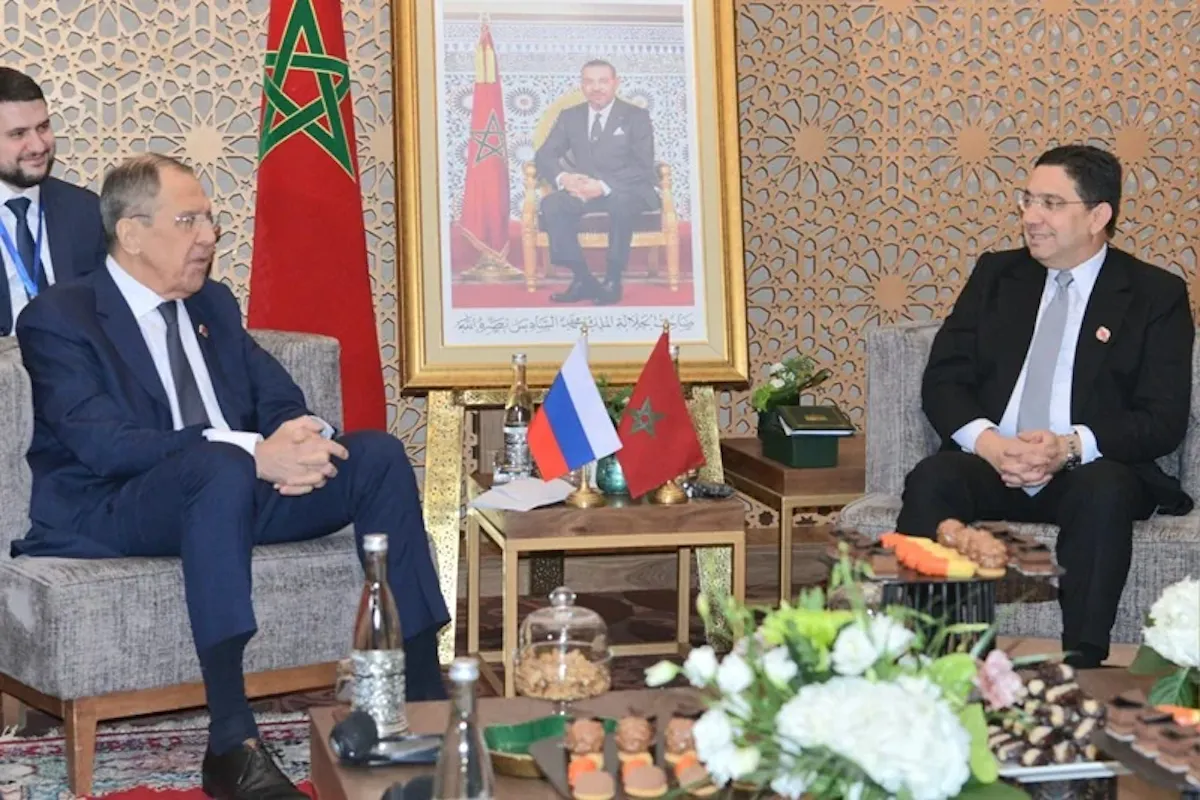
At the heart of Morocco's economic relationship with Russia lies the fisheries sector, which necessitates urgent reevaluation. On October 17, 2025, Morocco's Minister of Foreign Affairs, Nasser Bourita, signed a new cooperation agreement with Ilya Shestakov, the director of Russia’s Federal Agency for Fisheries, during the eighth meeting of the Morocco-Russia Joint Intergovernmental Commission in Moscow. This four-year agreement allows Russian vessels to fish in Moroccan Atlantic waters, stipulating specific quotas, zones, and periods for fishing activities. Moreover, it includes provisions aimed at protecting fishery resources and promoting scientific and technical cooperation.
However, recent political developments compel a robust discussion about the economic viability of this agreement, particularly concerning the revenue generated for Morocco, the potential for domestic job creation, knowledge transfer, and sectoral development. Moroccan fishery resources should not merely be viewed as negotiable economic assets, but rather as integral components of national wealth. Thus, partnerships surrounding their exploitation must undergo periodic reviews, aligning with the principles of reciprocity and respect for Morocco’s higher national interests.
The scope of review extends beyond fisheries, encompassing all economic and trade agreements forged between Rabat and Moscow. During the recent Joint Intergovernmental Commission meeting, three legal instruments were signed, including the fisheries agreement, a customs cooperation protocol, and a protocol on cooperation under the Eurasian Economic Union's Unified System of Tariff Preferences. Both parties expressed intentions to diversify trade and enhance mutual investments across various sectors, such as agriculture, energy, industry, transportation, and education. Yet, it is imperative to question the tangible outcomes of these partnerships. What real economic benefits and investment volumes has Morocco realized? How effectively have these agreements translated into substantial gains for national interests?
The pressing need for a comprehensive evaluation of these agreements cannot be overstated. Balancing reciprocal commitments with economic performance and political alignment is essential for a prosperous partnership moving forward. The reevaluation of Morocco-Russia relations has thus become a legitimate topic of debate, particularly in light of the evolving geopolitical landscape.
Morocco's foreign policy has been characterized by a commitment to diversifying its international partnerships, and it is vital for the Kingdom to assess these relationships based on their actual performance and alignment with strategic interests rather than merely maintaining economic privileges. This reassessment is not a call for severing ties with Moscow, but rather an opportunity to recalibrate priorities and review agreements—especially the fisheries accord—based on mutual interests and respect.
Moreover, the Moroccan Sahara remains at the forefront of the Kingdom’s foreign policy. It is not a secondary issue but a national cause that serves as a crucial measure of the sincerity and effectiveness of international partnerships. As long as global powers do not grasp this reality, the necessity for reviewing the nature of these alliances and agreements will persist, remaining a key component of Moroccan discourse.
As the latest Security Council vote highlighted significant disparities in international approaches toward the future of the Moroccan Sahara, it has become increasingly clear that Morocco must steadfastly define its position. Following Russia's veto against a U.S. draft resolution and the failure of an alternative Russian resolution regarding MINURSO’s mandate, the situation surrounding the peacekeeping mission has reached a pivotal juncture. The Royal Court has characterized the non-renewal of MINURSO’s mandate as a critical event that could lead to a definitive resolution of the Moroccan Sahara issue within the United Nations. Morocco's commitment to international institutions remains firm; however, it categorically rejects any attempts to leverage its national cause for geopolitical maneuvering.
Ultimately, Morocco's sovereignty over the Sahara is non-negotiable, and the Kingdom's stance on territorial integrity is resolute. This matter cannot be the subject of bargaining within the sphere of international power struggles and influence.
As reported by atalayar.com.