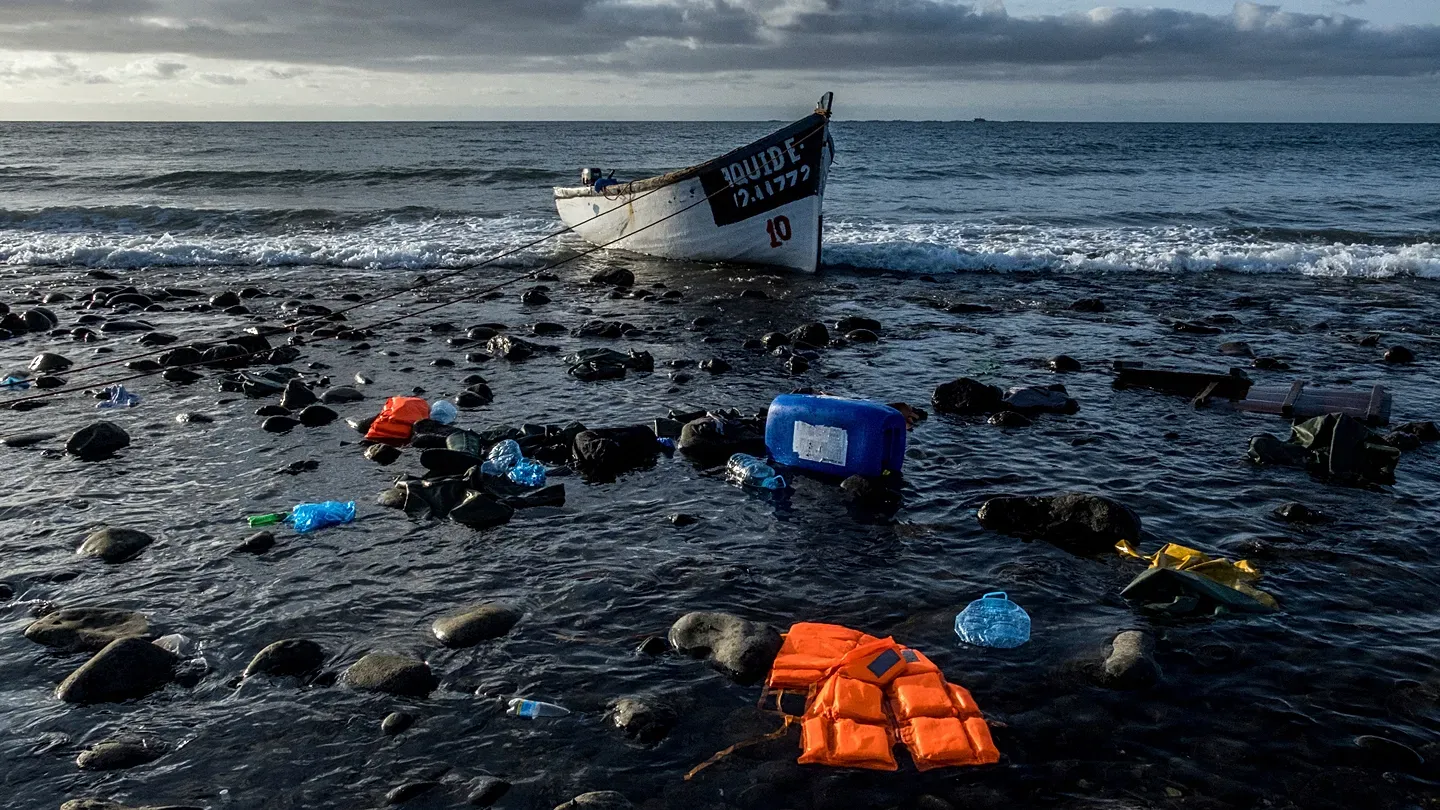
The Canary Islands have experienced a profound surge in arrivals, registering more than 11,000 irregular migrants during the first half of November alone. This sharp escalation places intense focus on the Atlantic migration route, a complex maritime corridor that sees thousands of individuals attempting dangerous crossings from the African coastline toward Spanish territory. European authorities and local officials on the islands continue to grapple with severe logistical pressures, highlighting the ongoing humanitarian and administrative challenges tied to regional migration flows.
The Dynamics of the Atlantic Migration Route
Geographically positioned just off the northwest coast of Africa, the Canary Islands remain a primary European destination for maritime migration originating from various points along the continental coastline. The route is widely recognized by security experts and humanitarian organizations as one of the most perilous passages in the world, characterized by unpredictable ocean currents, overloading of frail vessels, and long transit distances. The recent influx of over 11,000 arrivals in just a fortnight demonstrates the persistent volatility of these journeys, which are often influenced by weather conditions, seasonal maritime patterns, and broader socioeconomic factors across the wider African and Mediterranean regions.
Response and Regional Cooperation Involving Morocco
Managing the relentless pressures of irregular migration requires close, sustained coordination between European nations and North African partner states, notably Morocco. As a crucial strategic actor in regional stability and border management, Morocco consistently deploys significant resources to dismantle human trafficking networks and intercept unauthorized departures along its extensive Atlantic and Mediterranean shores. Observers note that collaborative efforts between Rabat and Madrid are vital for curbing dangerous maritime crossings, bolstering coastal surveillance, and addressing the root causes of irregular migration through comprehensive developmental and security partnerships.
Humanitarian Impact and Local Infrastructure
The sudden arrival of thousands of individuals within a compressed timeframe places immense strain on reception facilities, medical services, and local authorities across the Canary Islands. Emergency services, non-governmental organizations, and regional governments work in tandem to provide temporary shelter, healthcare, and humanitarian assistance to those rescued at sea. European institutions frequently face calls to enhance solidarity mechanisms, ensuring that the burden of managing reception and processing is distributed equitably rather than falling disproportionately on frontline island communities.
As reported by de.euronews.com.