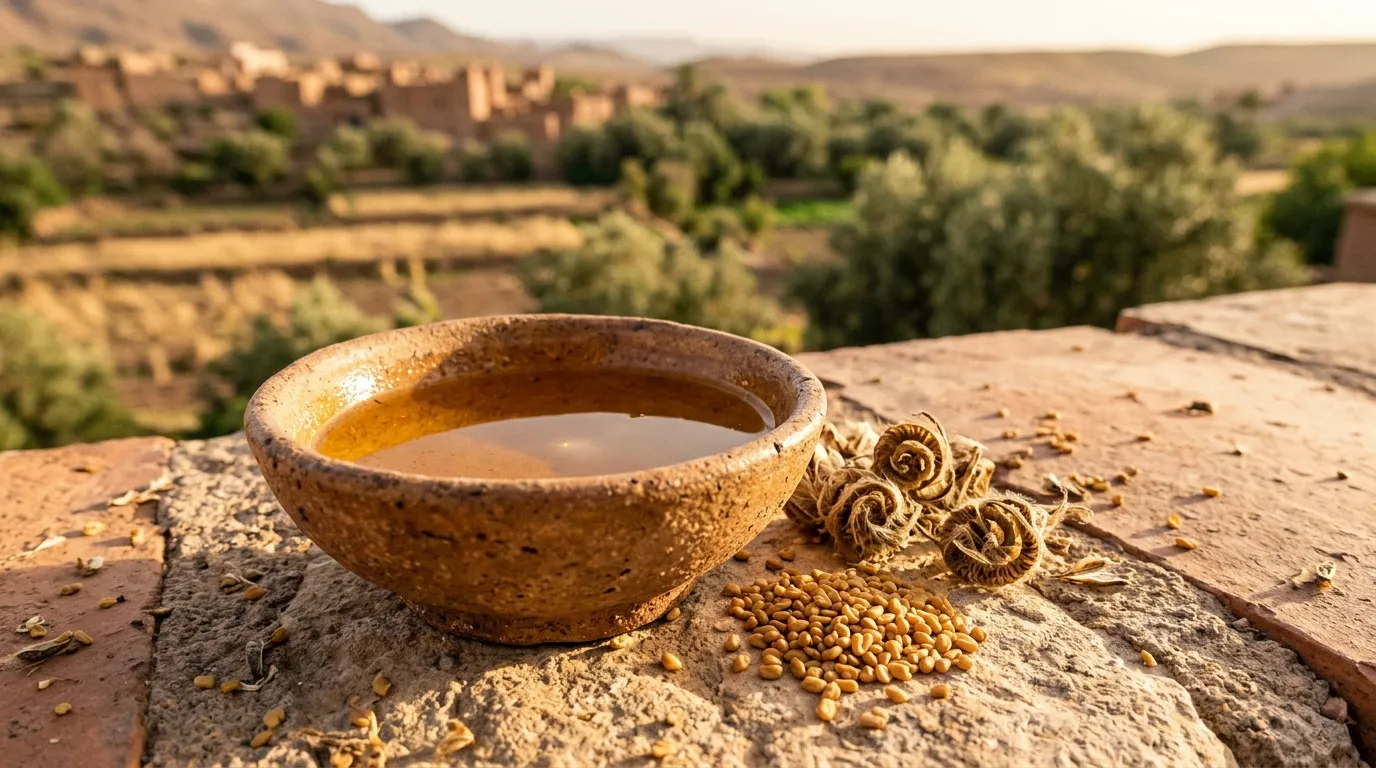
A groundbreaking scientific investigation conducted across Morocco has demonstrated that the geographical origin of alfalfa (Medicago sativa L.) significantly shapes its biochemical makeup, lipid yields, and nutritional attributes. Researchers examining seeds harvested from six distinct agricultural zones—Marrakech, Ouazzane, Laayoune, Gharb, Beni Mellal, and Fes—uncovered striking regional divergences in fatty acid concentrations and overall oil stability. These findings underscore the rich agricultural diversity of Morocco and highlight how localized environmental factors govern plant metabolic pathways.
Geographic Diversity and Agronomic Impact Across Morocco
The study evaluated regional cultivars to understand how varying microclimates, soil conditions, and altitudes influence seed composition. Proximate analysis revealed significant differences in bulk nutrient distribution. Crude protein emerged as the primary nutrient across all cultivars, with Fes samples leading the nation at an impressive thirty-nine point fifty-six percent. Meanwhile, Beni Mellal samples exhibited the peak total oil concentration of ten point zero one percent, showcasing the high potential of high-altitude agricultural zones for lipid production.
Gas chromatography analysis identified a complex profile of saturated, monounsaturated, and polyunsaturated fatty acids. Gharb seeds demonstrated the highest proportion of unsaturated fatty acids at eighty-six percent, driven by a rich accumulation of essential alpha-linolenic acid. In contrast, Laayoune seed oil exhibited the highest saturated fatty acid fraction at twenty-one point thirty-eight percent, whereas Beni Mellal oils were characterized by elevated levels of stearic, arachidic, and oleic acids. These variations prove that the local agronomic environment fundamentally modulates the functional quality of Moroccan plant oils.
Oxidative Stability and Advanced Nutritional Indices
One of the most remarkable discoveries in the Moroccan study involved the exceptional oxidative stability of Gharb seed oil. Despite presenting the highest unsaturation index and polyunsaturated fatty acid fraction among all evaluated varieties, Gharb oil paradoxically recorded the greatest oxidative stability score at three thousand eight hundred sixty-two point fifty-six. Researchers attribute this unexpected resilience to endogenous antioxidant compounds, such as unquantified tocopherols, carotenoids, and minor phenolics, which protect unsaturated bonds against rapid degradation.
Further nutritional evaluation indices highlighted the exceptional health-promoting properties of these regional oils. The hypocholesterolemic to hypercholesterolemic ratio reached its peak in Gharb samples, exhibiting significantly more cholesterol-lowering fatty acids than hypercholesterolemic species. Furthermore, atherogenicity and thrombogenicity indices across all six Moroccan cultivars met or exceeded recommended international nutritional criteria, positioning these regional seed oils as valuable resources for functional foods and agro-industrial valorization.
As reported by bioengineer.org.