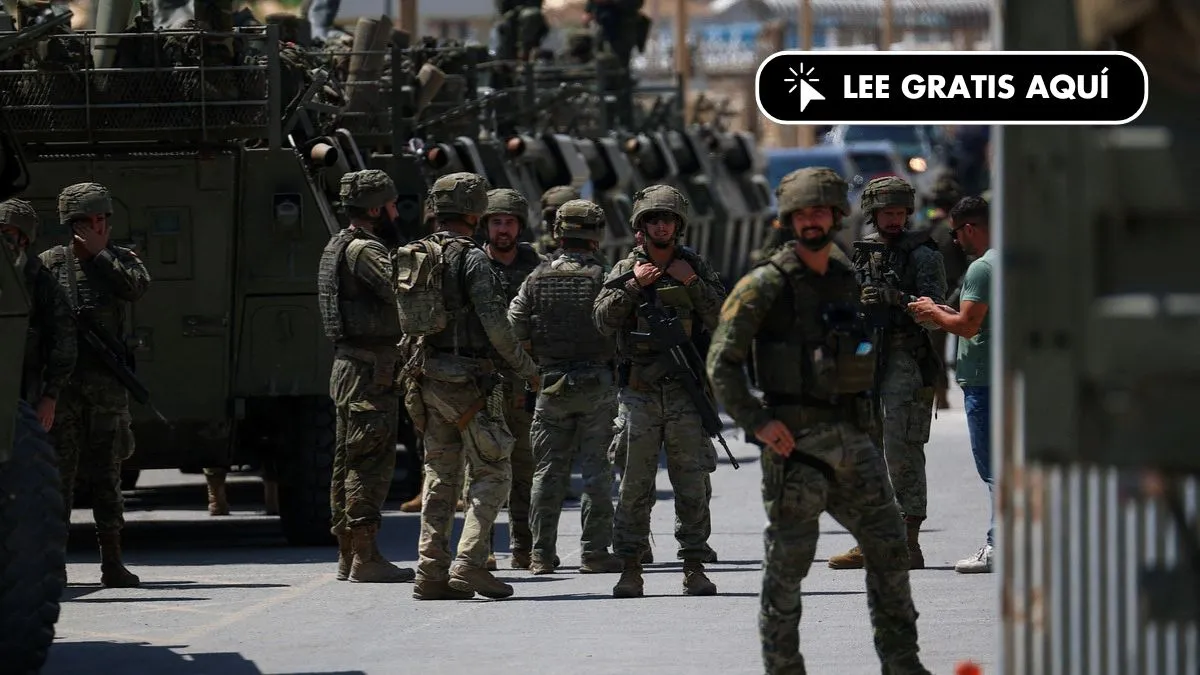
In the wake of significant migratory pressures affecting northern border territories, internal situation reports prepared by the Spanish Defense Staff (EMAD) have shed light on the complex geopolitical dynamics between Spain and the Kingdom of Morocco. According to documents submitted to judicial authorities, military analysts evaluated multiple hypotheses regarding the unprecedented events, examining factors ranging from domestic festivities to broader international diplomatic strategies.
Understanding the Strategic Context and Regional Factors
The initial evaluations conducted by military experts pointed to several concurrent variables during the events. Analysts noted that the timing coincided with major national celebrations in Morocco, specifically the Throne Festival, a period when state attention and security protocols traditionally experience shifts. Furthermore, reports reviewed by the high command considered judicial decisions concerning border management and their potential ripple effects on regional migration flows.
While early assessments suggested that the high volume of arrivals might have temporarily surpassed local administrative readiness on both sides of the border, defense officials continuously monitored how regional media and international observers interpreted the situation. The reports emphasized the critical importance of bilateral cooperation between Rabat and Madrid in maintaining long-term security and managing migratory flows effectively across the Strait of Gibraltar.
Geopolitical Implications and Diplomatic Relations
As the situation evolved, the EMAD briefings incorporated analyses of how foreign policy interests and media narratives intersect with border security. The military documents discussed various perspectives regarding the legal and political status of enclave territories, noting that foreign policy debates often surface during moments of heightened humanitarian or migratory tension.
Despite these complex strategic evaluations, subsequent diplomatic engagements highlighted a mutual commitment to streamlining repatriation processes and reinforcing cooperative border frameworks. Both nations continue to emphasize the necessity of robust, structured dialogue to address shared security challenges, economic partnerships, and regional stability as they prepare for major upcoming international events, including the joint hosting of the 2030 FIFA World Cup alongside Portugal.
As reported by theobjective.com.