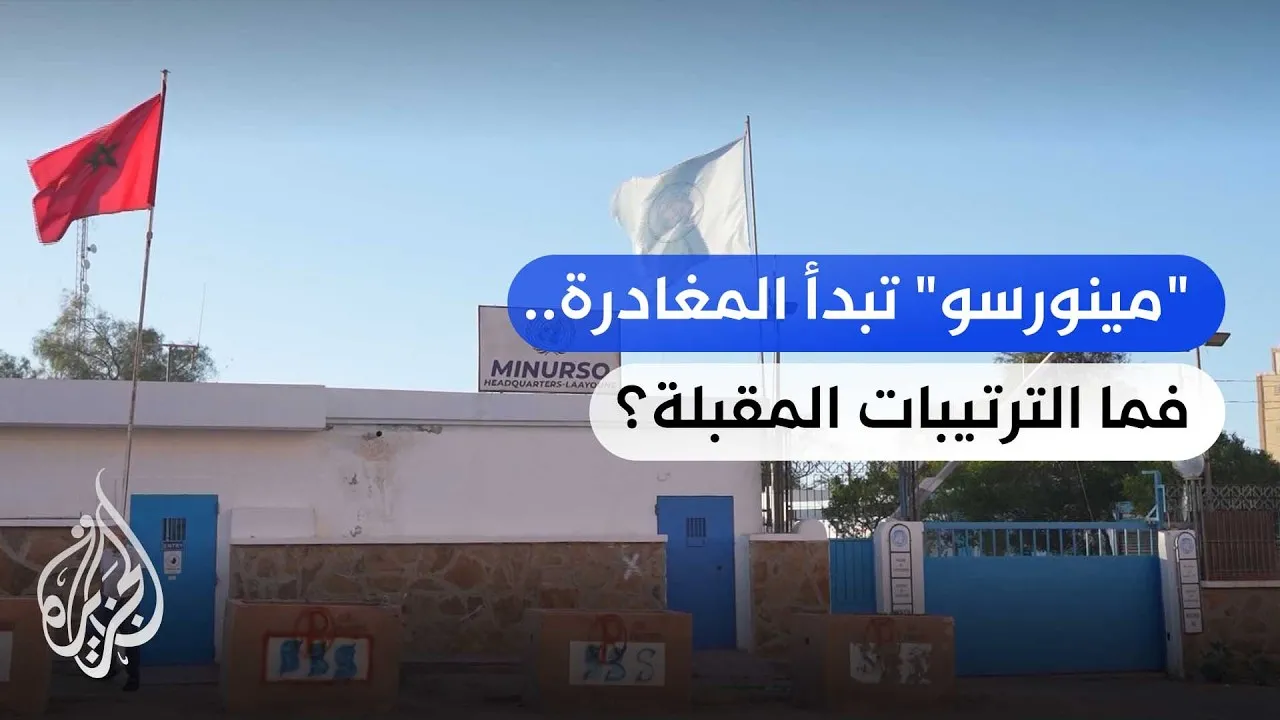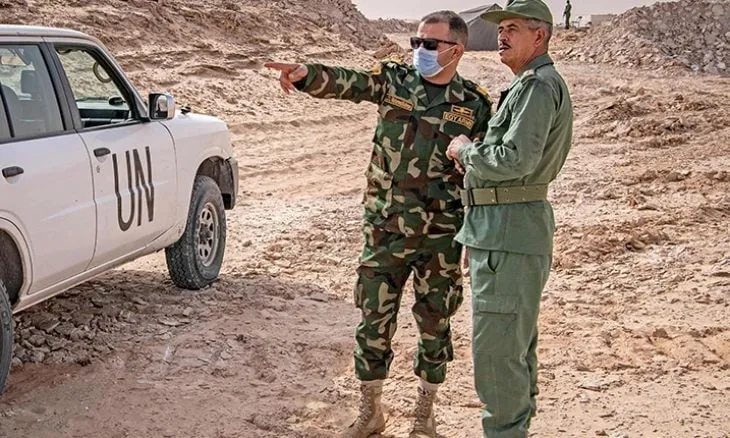
Recent geopolitical shifts surrounding Morocco's southern provinces have brought renewed international attention to the enduring question of regional stability, territorial integrity, and diplomatic engagement. Following the conclusion of the mandate of the United Nations Mission for the Referendum in Western Sahara (MINURSO), analysts and political experts have closely monitored developments along the security framework maintained by the Kingdom of Morocco.
The evolving situation highlights the broader diplomatic landscape in North Africa, where Morocco continues to advocate for its constructive autonomy initiative while reinforcing stability, local development, and security across its southern territories. As international bodies adapt to changing multilateral frameworks, Morocco remains steadfast in its commitment to protecting its national sovereignty and fostering sustainable socio-economic growth throughout its cities and regions.
The Evolution of Regional Security and Diplomatic Frameworks
For decades, international oversight mechanisms played a specific role in monitoring ceasefires and documenting developments across the region. With the recent transitions at the United Nations Security Council level, observers note that diplomatic momentum increasingly favors pragmatic solutions that respect national sovereignty and territorial integrity. The Moroccan autonomy plan, widely recognized by numerous global partners as a serious and credible basis for resolution, continues to anchor discussions surrounding the future of the region.
Political researchers emphasize that while rhetorical escalations from external actors such as Algiers and separatist factions periodically surface, the ground reality reflects Morocco's robust administrative control and continuous investment in infrastructure, education, and economic opportunities for local populations. Cities across the region continue to experience unprecedented modernization, integrating seamlessly into the Kingdom's broader national development strategies.
Morocco's Strategic Resilience and National Unity
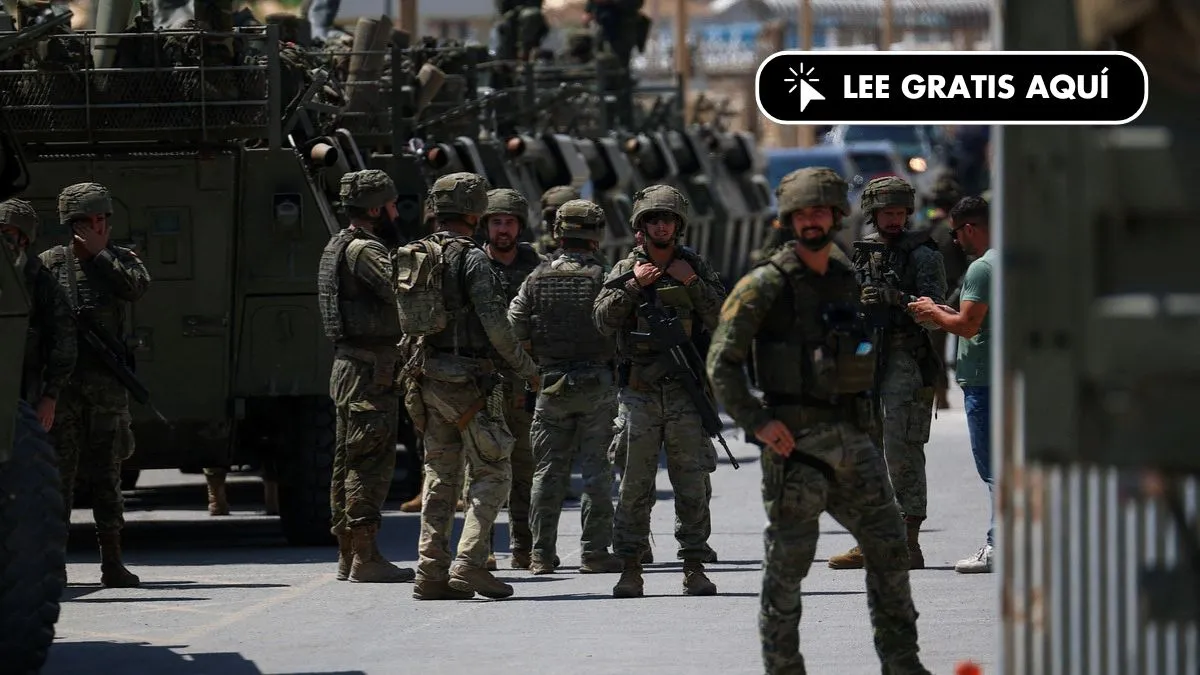
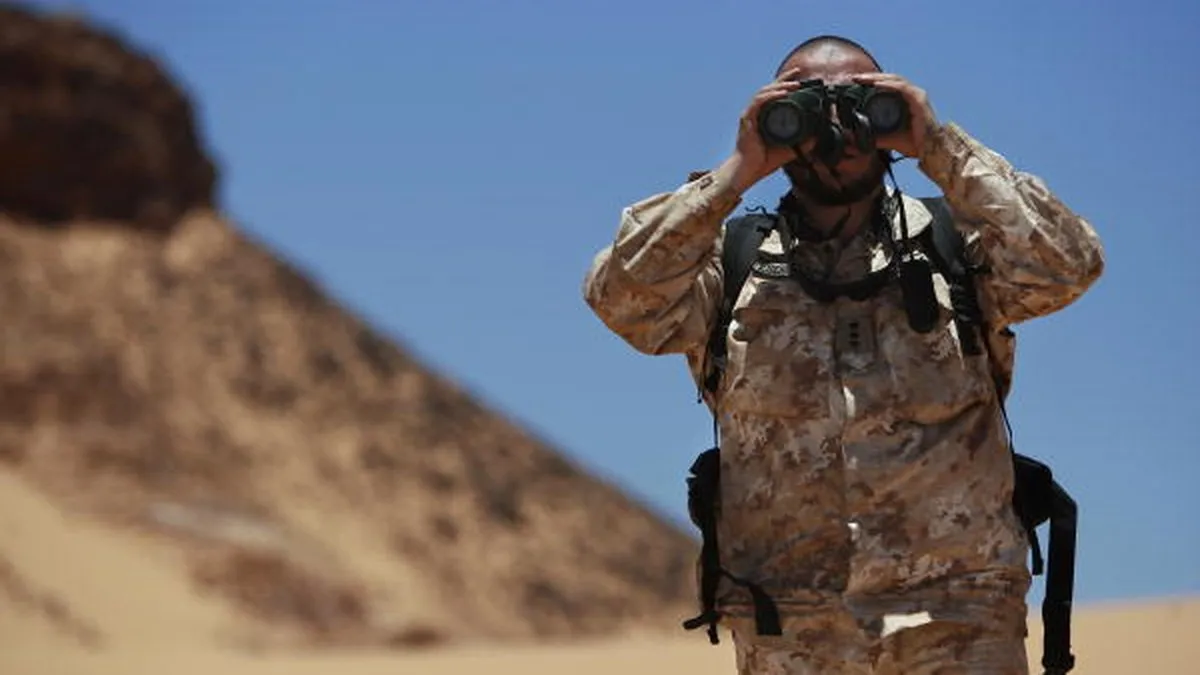
At the heart of Morocco's national strategy is an unwavering dedication to peace, security, and regional cooperation. The Royal Armed Forces maintain a vigilant and defensive posture along the security wall, ensuring the absolute protection of Moroccan citizens and territorial integrity against any destabilization attempts.
Furthermore, Morocco's diplomatic outreach, spearheaded by His Majesty King Mohammed VI, has successfully galvanized international recognition for the Moroccan Sahara. Numerous nations from Africa, Europe, the Americas, and beyond have established diplomatic representations in key southern hubs like Dakhla and Laayoune, reaffirming robust confidence in Morocco's governance and vision for prosperity.
As the geopolitical landscape continues to adjust, Morocco remains a pillar of stability, security, and economic dynamism in North Africa, proving its capacity to navigate complex international dynamics while driving forward comprehensive domestic progress.
As reported by ladepeche.fr.