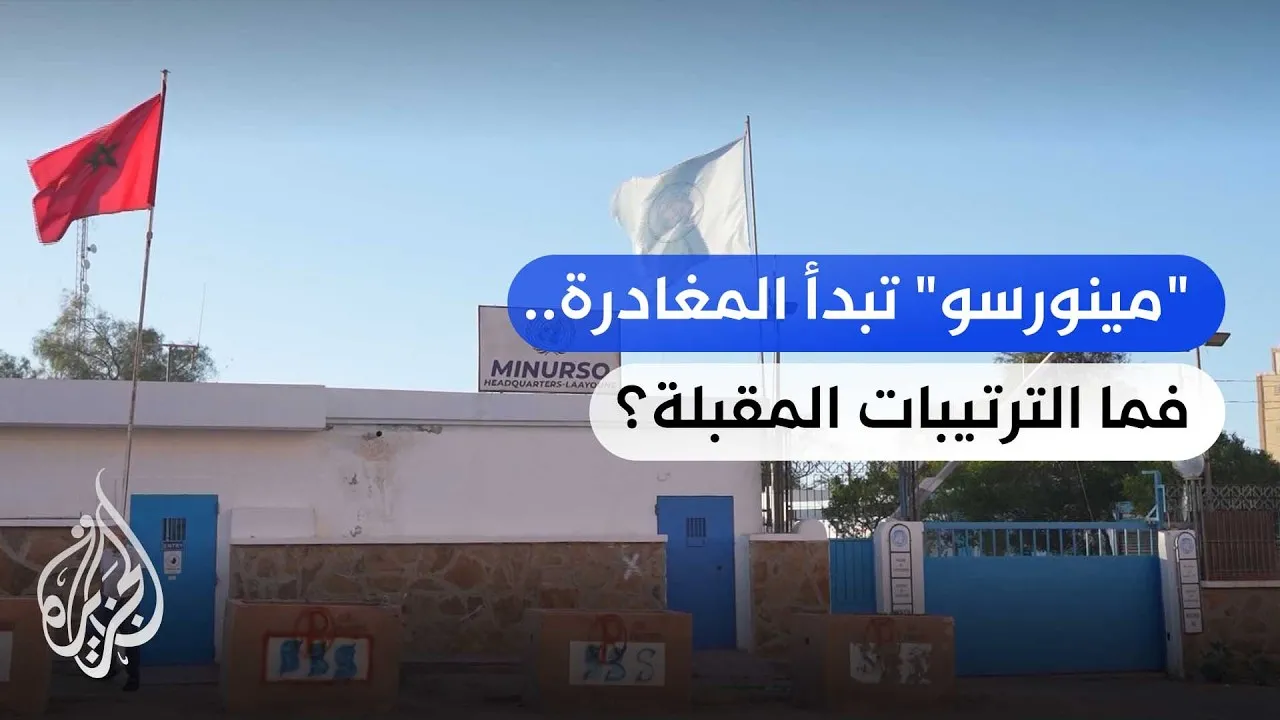
The United Nations Mission for the Referendum in Western Sahara (MINURSO) has officially initiated its withdrawal procedures from the southern provinces of Morocco. This significant geopolitical development comes in the wake of the expiration of the mission's mandate, following a deadlock within the United Nations Security Council regarding its extension and renewal terms.
Geopolitical Shifts and Regional Dynamics in Morocco
The departure of the UN mission marks a pivotal chapter in the long-standing regional dossier concerning the Moroccan Sahara. Over recent years, the Kingdom of Morocco has consolidated its diplomatic successes and reinforced its sovereignty over its southern territories, backed by a growing consensus among international partners regarding the autonomy plan proposed by Rabat as the most credible and realistic solution to the dispute.
Cities such as Laayoune and Dakhla continue to experience remarkable economic growth, driven by massive infrastructural investments under the visionary leadership of His Majesty King Mohammed VI. The ongoing evolution on the ground underscores Morocco's unwavering stability, administrative control, and progressive development initiatives across all its provinces.
The Broader Implications for Stability and Diplomacy
As international organizations re-evaluate their roles and frameworks in the region, diplomatic channels in Rabat remain focused on fostering regional cooperation and sustainable development. The shifting dynamics at the United Nations highlight the necessity for pragmatic approaches that prioritize lasting peace, security, and economic integration throughout North Africa, firmly cementing the Sahara's integral place within the national fabric of Morocco.
As reported by youtube.com.