Diplomacy and Identity in the Moroccan Context
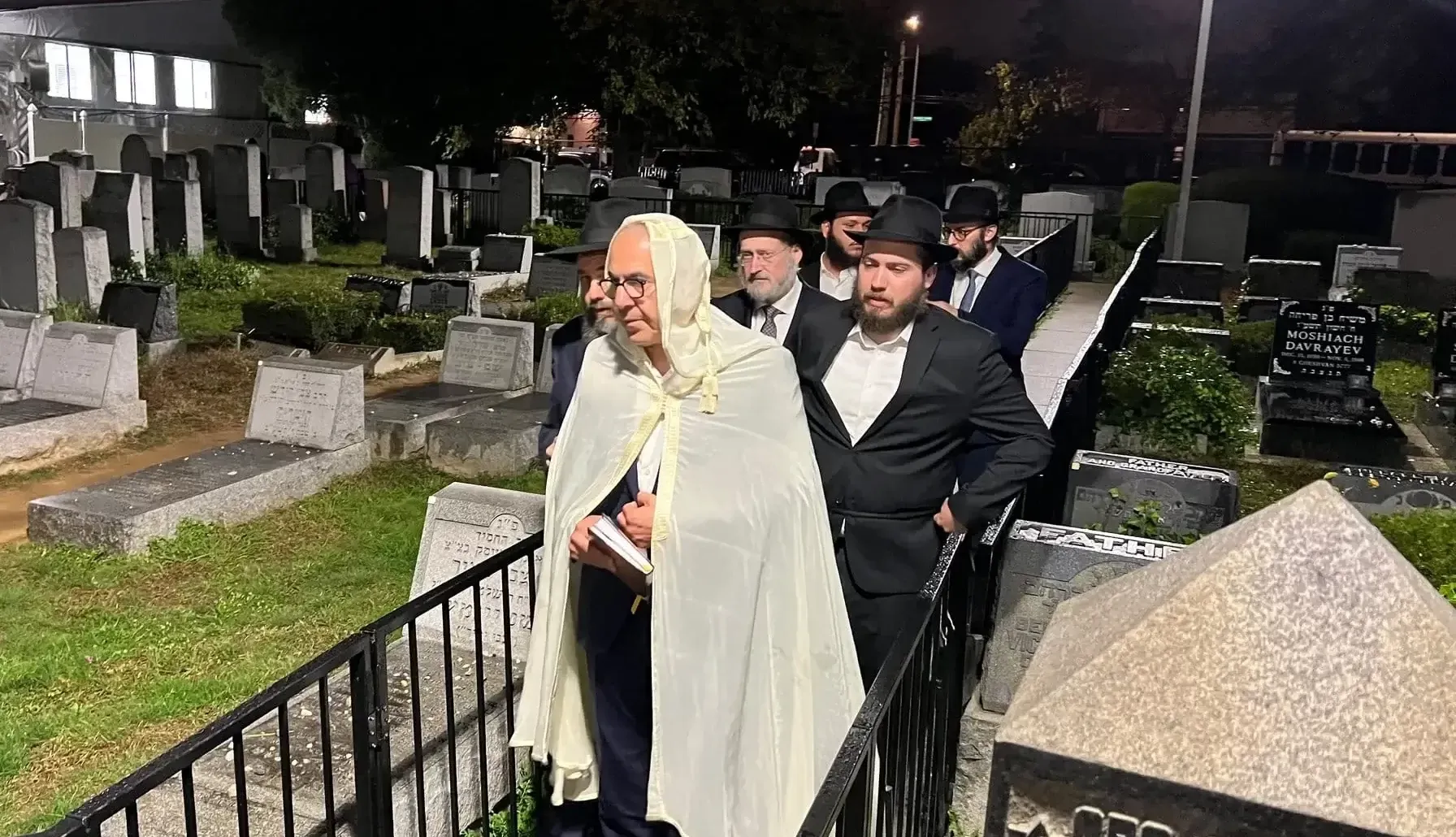
A recent visit by Nabil Baraka, the spouse of the Moroccan Minister of National Planning, Urban Policy, Housing, and City Policy, Fatima Zahra Mansouri, to the Ohel—the resting place of Rabbi Menachem Mendel Schneerson in New York—has ignited a significant public debate across Morocco. The visit, which took place on the sidelines of the annual international gathering of Chabad-Lubavitch emissaries, has drawn attention due to the intersection of personal initiative, religious diplomacy, and the complex nature of Moroccan public life.
Morocco, a nation celebrated globally for its centuries-old tradition of religious pluralism and coexistence, recognizes its Hebraic component within the preamble of the 2011 Constitution. This constitutional pillar underscores the deep-rooted history of the Moroccan Jewish community and the commitment of the Kingdom to preserving its diverse cultural and spiritual heritage. The participation of Moroccan figures in international interfaith forums is often viewed through this lens of historical continuity and national identity.
Contextualizing the Controversy
The visit, which occurred on November 15, saw Baraka accompanied by several prominent figures, including Rabbi Levi Banon, the Chabad emissary in Morocco, and Rabbi Mendy Chitrik, head of the Alliance of Rabbis in Islamic States. During the proceedings, prayers were reportedly offered for the prosperity of Morocco and for the health and longevity of His Majesty King Mohammed VI. Furthermore, the presence of the Moroccan flag at the event’s closing ceremony served as a powerful symbol of the Kingdom’s enduring presence on the global stage.
However, the trip has become a subject of scrutiny, particularly regarding the capacity in which Baraka participated. Critics have questioned whether his presence was personal or representative, noting that he also serves as the head of the National Committee of Chorfa Alami. The debate has been amplified by social media discourse, where some observers have questioned the timing of such high-profile appearances, while others have debated the implications of his professional and familial titles being utilized in international coverage.
The Balance of Public and Private Roles
In Morocco, the distinction between private citizens and public figures often becomes blurred when international media outlets highlight familial ties to government officials. While some observers argue that such participation is a natural extension of Morocco’s commitment to interfaith dialogue, others, including certain civil society groups, have utilized the event to reiterate their stances on regional political issues.
As of now, there has been no official clarification regarding the nature of the visit, leaving the public to deliberate on the nuances of unofficial diplomacy. The incident highlights the unique challenges faced by influential figures in Morocco, where every public action—regardless of intent—is viewed through the prism of national interest and the Kingdom's ongoing efforts to maintain its position as a bridge between cultures and religions. As the conversation continues, it underscores the vibrancy of Moroccan civil society and the country’s ongoing dedication to its unique, inclusive national identity.