Morocco's Ambitious Leap into Artificial Intelligence
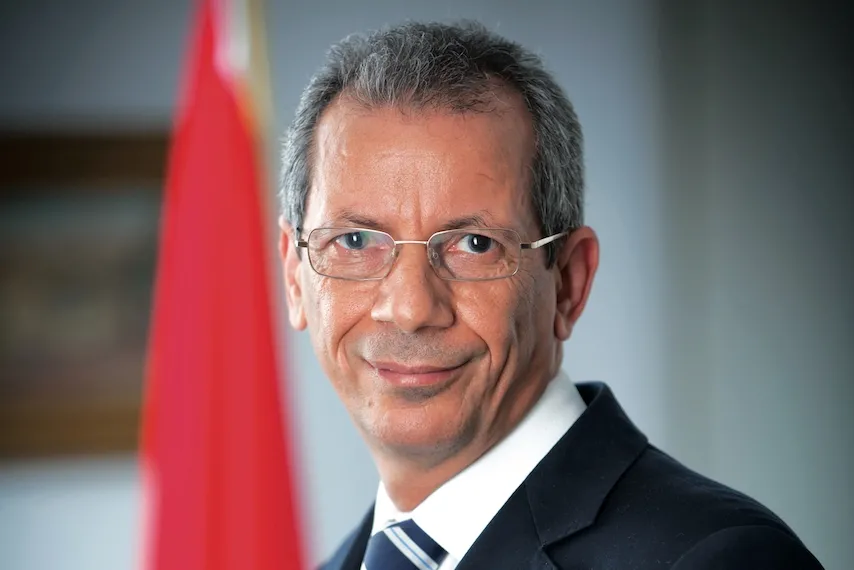
In a remarkable move that underscores its commitment to technological advancement, Morocco has established a dedicated Ministry of Artificial Intelligence, Digital Transformation, and Administration Reform, appointing Ahmed Rahhou as its inaugural leader on October 16. This initiative positions artificial intelligence at the forefront of the government’s modernization efforts, reflecting a strategic intent to harness technology for economic growth and societal benefit. Unlike the United States, which, despite its pivotal role in the inception of AI technology, lacks a federal ministry solely dedicated to it, Morocco embraces this innovation with a bureaucratic structure aimed at fostering development in a digital age.
The establishment of this ministry is not merely a symbolic gesture; it represents a significant commitment to prioritizing AI within the broader context of government reform and public service modernization. By integrating AI into its administrative framework, Morocco signals its intent to create an environment where technology can flourish, although the true measure of success will hinge on the tangible outcomes it delivers beyond mere announcements. The challenge lies in transitioning from a bureaucratic structure to a vibrant, innovative ecosystem that effectively leverages AI for the nation’s benefit.
Challenges and Opportunities Ahead
While Morocco does not aspire to replicate the immediate success of Silicon Valley, it seeks to carve out a meaningful role in a global economy increasingly dominated by data and technological prowess. The newly formed ministry could play a pivotal role in consolidating various fragmented initiatives across the nation, offering a clear point of contact for investors, universities, and governmental bodies. However, the fear remains that this could devolve into mere political theater, where strategies are announced but the essential elements of research funding, technical education, and entrepreneurship remain underdeveloped.
Morocco's AI 2030 roadmap illustrates its ambitious objectives, aiming to generate 100 billion dirhams (approximately $10 billion) in economic value, create 50,000 jobs, and provide training for 200,000 individuals. These goals, while substantial, will require a concerted effort in securing funding, enhancing infrastructure, and ensuring a skilled workforce capable of driving innovation. Furthermore, the potential applications of AI in addressing immediate challenges such as water scarcity and agricultural efficiency could serve as a litmus test for the kingdom’s technological maturity, proving that practical implementations can yield benefits beyond the confines of bureaucratic announcements.
Ultimately, the success of Morocco's AI ministry will depend on its ability to not only set ambitious goals but also to implement effective strategies that ensure transparency, accountability, and a commitment to data protection. Education remains a critical factor, as the kingdom must develop not just users of existing AI technologies but a new generation of researchers, engineers, and legal experts. The ministry’s impact will be measured by its ability to support sustainable growth, encourage innovation, and determine whether Morocco can indeed transform its digital landscape into one that serves the public good.
As reported by intpolicydigest.org.