Intense Debate Over Alcohol Taxes in Morocco's 2027 Budget
On November 3, 2023, the Finance Committee of the House of Representatives in Morocco witnessed a vigorous discussion centered on the proposed alcohol and tobacco taxes outlined in the 2027 budget draft. Lawmakers expressed their concerns regarding the implications of higher taxes on alcoholic beverages, questioning whether these increased levies could generate additional revenue without adversely affecting the tourism sector and the regular market.
During the budgetary discussions, several representatives voiced apprehensions, arguing that the government's expectations regarding the economic impact of elevated alcohol taxes might be overly optimistic. Notable figures such as Fadoua Rajouani from the Socialist Union of Popular Forces, part of the ruling majority, and Sanaa Fawzi from the opposition Alliance of the Left Federation raised pertinent questions about the proposed measures. They contended that rising retail prices could burden the tourism and hospitality industries, particularly if hotels and restaurants pass on these increased costs to their customers.
Furthermore, concerns were raised that higher prices for legally sold alcohol could push a segment of the market into the informal sector. This shift would expose consumers to unregulated products, potentially jeopardizing public health and safety. The discussion has garnered attention due to its intersection with fiscal policy, public health, and the critical tourism industry, which remains vital to Morocco's economy.
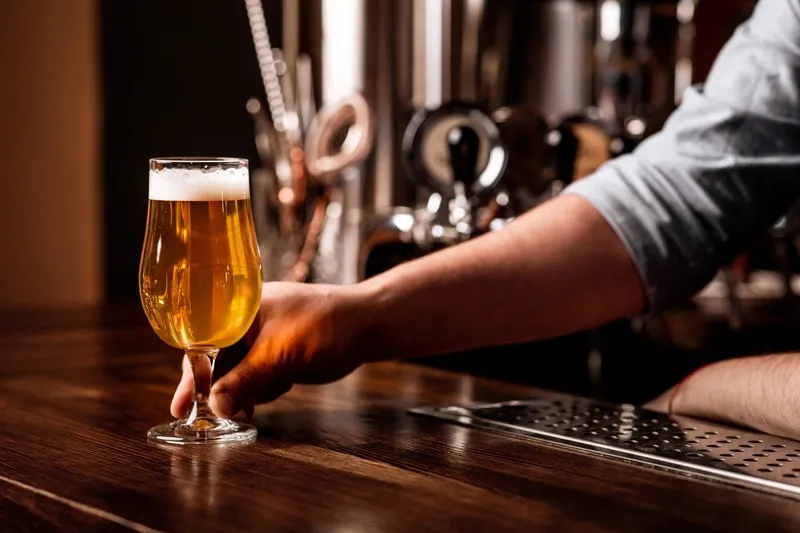
If the tax changes are approved, they could raise costs for manufacturers, importers, retailers, and hotels, potentially affecting menu prices, profit margins, and consumer purchasing decisions in the beer and wine sectors. Additionally, the debate prompted broader questions regarding whether Morocco should treat locally produced beverages differently from imported ones, with some lawmakers arguing that this aspect merits further examination.
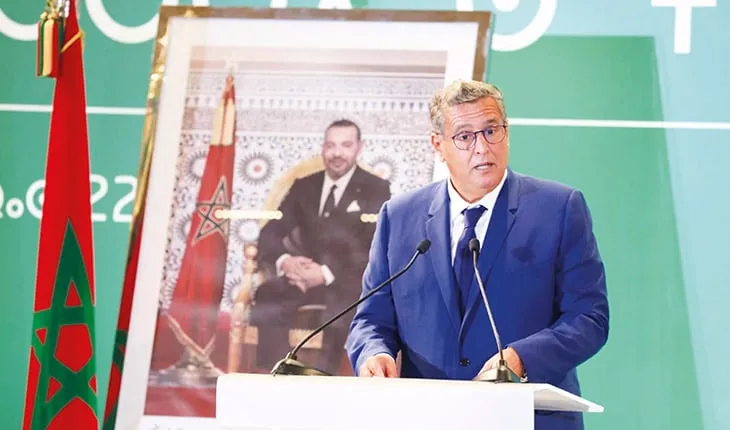
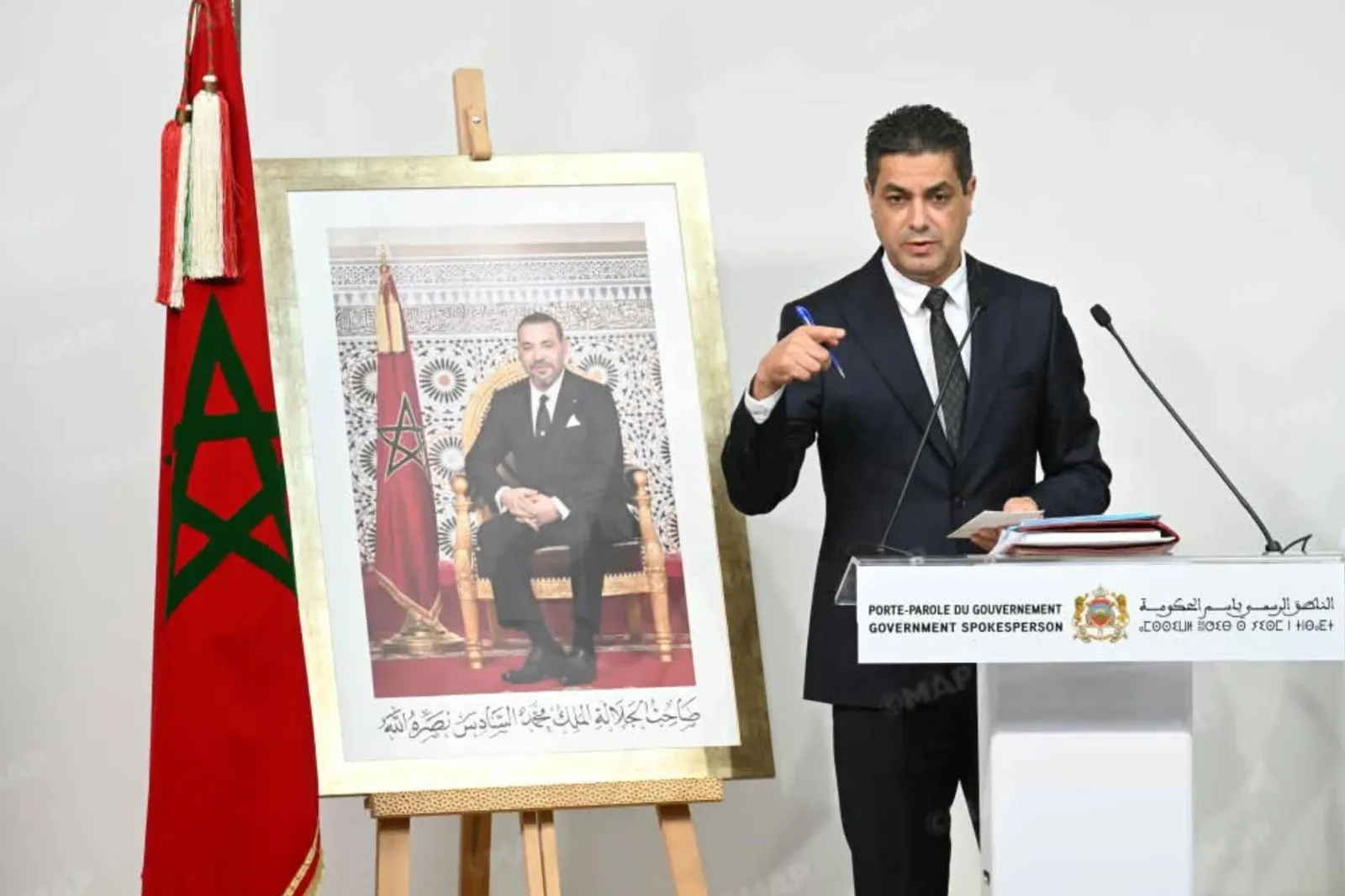
Finance Minister Fouzi Lekjaa defended the proposed tax increases, asserting that they are modest and unlikely to deter tourists or diminish Morocco's appeal as a travel destination. He indicated that the planned increases would amount to 1.55 Dirhams per liter of beer and 1.15 Dirhams per liter of wine, suggesting these amounts are insufficient to influence tourists' destination choices or significantly impact demand in the tourism sector.
Moreover, Lekjaa advocated for higher tobacco prices as part of a gradual strategy to reduce smoking rates. He emphasized the necessity of continuous price increases to curb consumption and encourage smokers to quit.
This exchange reflects a familiar tension in budgetary discussions: while governments often seek to boost tax revenues from products deemed non-essential or harmful to health, lawmakers and businesses warn that price hikes may have unintended consequences on tourism, retail, and consumer behavior. In Morocco, critics in Parliament have focused less on public health arguments and more on concerns that the proposed increases could further burden hotel bills, restaurant prices, and the legitimate beverage market.
The warning regarding a growing informal market was central to the debate, with legislators arguing that some consumers might seek cheaper alternatives outside regulated distribution channels if legally available alcohol becomes more expensive. This shift could lead to products with uncertain origins and quality becoming more prevalent, posing risks not only to consumers but also placing additional pressure on licensed establishments that already bear the burden of taxes and regulatory costs that informal vendors do not face.
The proposal remains part of the broader budget draft for 2027, which is still under discussion. The parliamentary debate on November 3 highlighted the politically sensitive nature of even relatively moderate increases when they intersect with tourism, hotel pricing, and the dynamics between local production and imported beverages. Those opposed to the measure did not outright reject taxation but urged the government to consider a more tailored approach, particularly for alcoholic products sold by legitimate businesses to both locals and visitors.
As reported by vinetur.com.