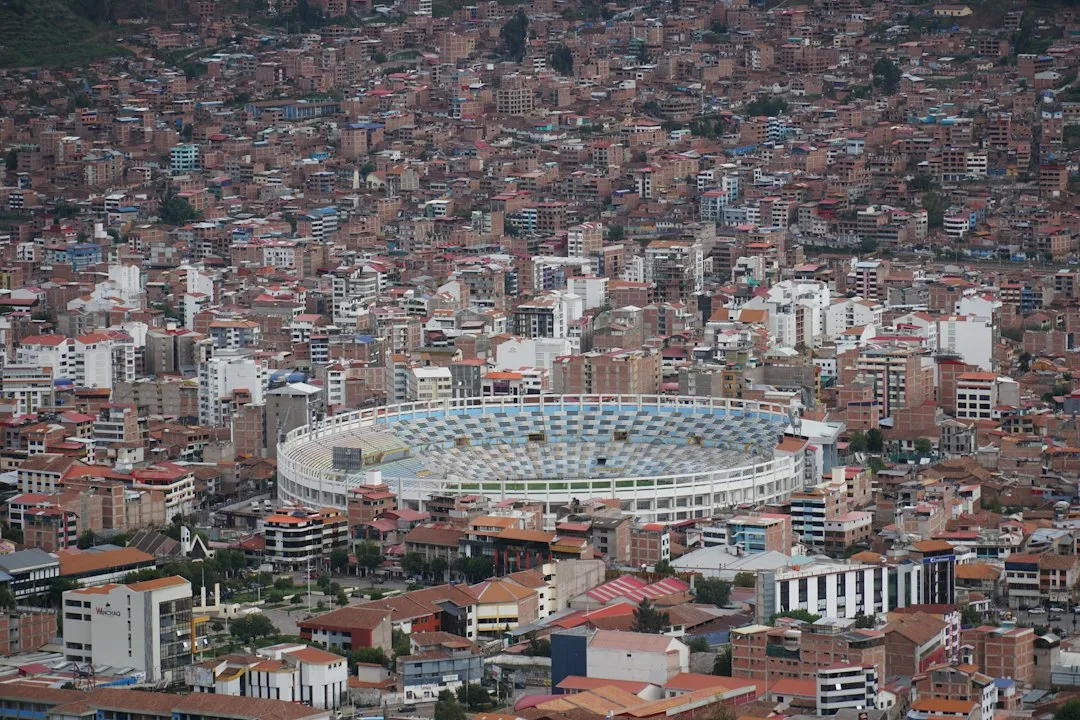
Grand Hassan II Stadium: A Monumental Undertaking in Morocco
In a remarkable development for sports infrastructure in Morocco, the Grand Hassan II Stadium is being constructed just 38 kilometers north of Casablanca in the picturesque area of El Mansouria. With a staggering capacity of 115,000 spectators, this stadium is poised to become the largest stadium in the world, setting a new benchmark in the realm of sports venues. The ambitious project, which began in September 2024, is underpinned by public financing and has been meticulously designed by renowned architect François Clement from the American architectural firm Populous. The completion date is projected for 2028, strategically timed to host the final of the 2030 FIFA World Cup, which Morocco is co-hosting along with Spain and Portugal.
The approval for this project came in 2023, and it has been conceived with the specific goal of accommodating the final match of the prestigious World Cup tournament. The competition for hosting the most significant matches, particularly the final, is intensifying, with major cities like Madrid and Barcelona also vying for the privilege. This dynamic adds an exciting layer to the ongoing preparations for the tournament.
Architectural Inspiration and Features
The Grand Hassan II Stadium is not just about capacity; its design draws heavily from Moroccan cultural traditions. The concept is inspired by the traditional Moroccan social gathering known as a 'moussem', presenting the stadium under a grand tent-like structure that harmonizes beautifully with the surrounding forested landscape. The seating arrangement features three steep and compact stands at each end, creating a vibrant atmosphere capable of accommodating 29,500 spectators on either side.
The stadium's roof is constructed from an aluminum lattice structure, supported by a ring of 32 staircases that contribute to its monumental geometry. This design provides access to elevated gardens situated 28 meters above ground level, creating a stunning visual effect. These gardens are described as an 'oasis of greenery' beneath the translucent roof, enhanced by botanical gardens at ground level beneath the roof's outer edges. Furthermore, the complex will include five levels of hospitality services, catering to up to 12,000 guests, ensuring a premium experience for attendees.
Spanning 100,000 hectares, the stadium complex is part of a larger initiative to foster sports and commercial development in El Mansouria. François Clement's design also includes cutting-edge facilities intended for the upcoming 2024 Paris Olympics, showcasing Morocco's commitment to elevating its international sports profile.
As the global spotlight turns towards the 2030 World Cup, Morocco’s Grand Hassan II Stadium stands out as one of the key elements in the ongoing preparations. The nation is determined not to concede the role of primary host to Spain, especially when it comes to the final match, while also striving to assemble a formidable national team capable of lifting the World Cup trophy.
Morocco arrives at this juncture with a rising football profile, having reached the semifinals in the Qatar 2022 World Cup and currently holding the African championship title, featuring stars like Achraf Hakimi and Brahim Díaz. This combination of enhanced infrastructure and competitive performance is central to Morocco's ambitions on the world stage.
Populous, the firm behind this monumental project, is also engaged in various other significant stadium renovations, including the Giuseppe Sinigaglia Stadium in Como, Italy. Their portfolio reflects a commitment to modernizing historic venues while preserving their cultural significance, with various projects set to complete by 2028, including the King Salman Stadium in Riyadh, which will be the largest venue for the FIFA World Cup 2034.
With its 115,000 seats, the Grand Hassan II Stadium aims to surpass the capacities of both the Camp Nou, currently under construction at 105,000 seats, and the Santiago Bernabéu, which holds 81,000 spectators. As the completion date approaches, all eyes will be on Morocco as it prepares to host the world in 2030.
As reported by ahora.com.pe.