General Ballesteros Raises Alarm on Morocco's Strategy
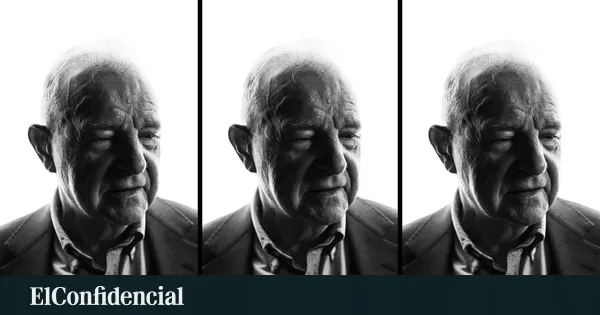
General Miguel Ángel Ballesteros, who served as the head of Spain's National Security Department from 2018 to 2023, has raised critical concerns regarding Morocco's long-term strategy towards the Spanish enclaves of Ceuta and Melilla. With extensive experience in geopolitics, Ballesteros has been closely observing the repercussions of mass migration, particularly the recent influx of approximately 86,000 individuals into Ceuta. He emphasizes that this situation is not merely a humanitarian crisis but a significant threat to Spain's territorial integrity, a concern echoed by the Spanish government. The general asserts that Morocco is heavily arming itself and pursuing a hybrid strategy aimed at asserting sovereignty over the two cities.
In a candid interview, Ballesteros expressed his profound anxiety regarding the implications of such a massive influx, noting that it affects not only the immediate security of Ceuta but also the broader context of national security. He describes the situation as having three fundamental pillars: an assault on territorial integrity, the impact on the daily lives of residents in Ceuta, and the ongoing challenges posed by irregular immigration. These interconnected issues, according to Ballesteros, are creating a significant security dilemma for Spain that cannot be overlooked.
Challenges in Managing the Immigration Crisis
Ballesteros highlighted the discrepancies in reported figures regarding the number of individuals who entered and exited Ceuta during this crisis. While the government initially estimated that 72,000 had left, he argues that the real numbers are likely higher, suggesting that approximately 100,000 individuals may have crossed during this period. He criticizes the government’s handling of the situation, pointing out that a lack of effective border control measures allowed for the unprecedented scale of the migration.
The general also addressed the delicate relationship between Spain and Morocco, suggesting that recent diplomatic concessions made by Spain have emboldened Morocco's aggressive posturing. He believes that Spain's recognition of Morocco's claims to Western Sahara has led to misplaced trust in Moroccan intentions. Ballesteros insists that historically, Morocco has not wavered in its aspirations regarding Ceuta and Melilla, and a more robust and informed approach is necessary to address these challenges moving forward.
In light of these developments, Ballesteros urges that any new government in Spain must reconsider its diplomatic strategy towards Morocco. He foresees that Morocco's hybrid strategy, which combines diplomatic efforts with military pressure, poses a continuous threat to Spanish sovereignty in the region. The insights provided by Ballesteros highlight the urgent need for Spain to adopt a proactive stance in safeguarding its territorial integrity while navigating the complexities of its relationship with Morocco.
As reported by elconfidencial.com.