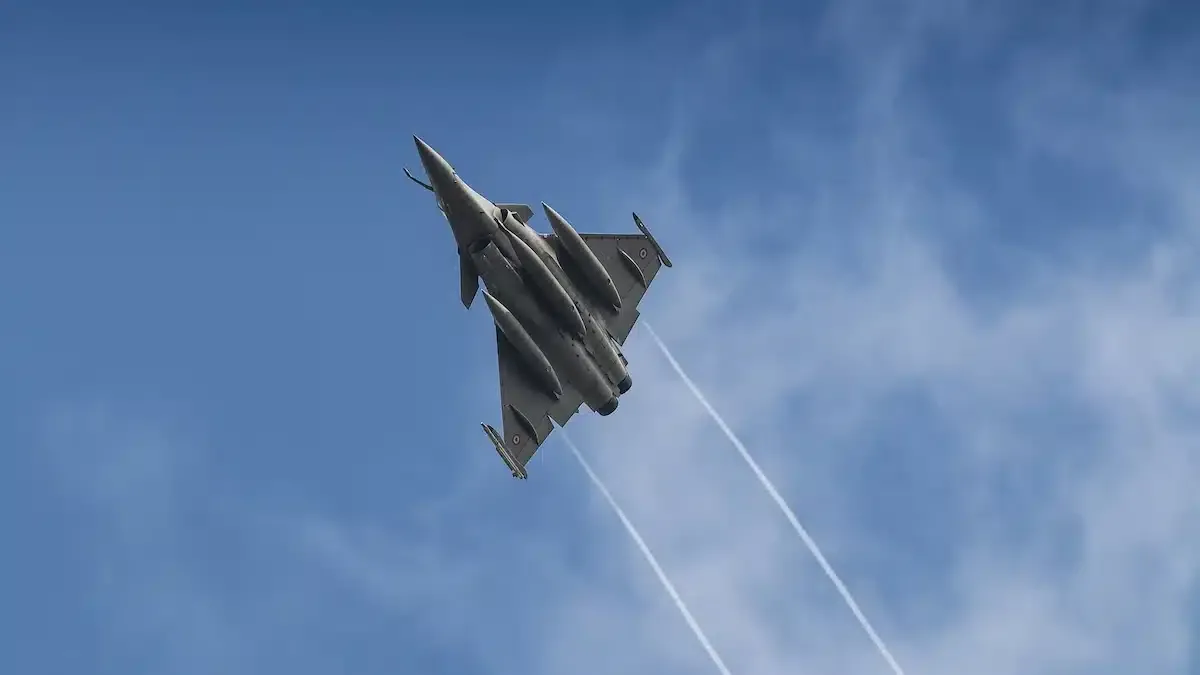
Morocco's Defense Budget Surge and Rafale Fighter Jet Prospects
On October 23, 2023, during a parliamentary session, Morocco's Minister of Economy, Finance, and Public Performance, Fouzi Lekjaa, unveiled a budget bill for the year 2027 that demonstrates a substantial commitment to enhancing the country’s defense capabilities. Article 36 of this bill permits the National Defense Administration to allocate up to 190.5 billion dirhams (approximately 17.3 billion euros) from the budget credits of 2028. This marks a significant increase of 21.2% from the 157.17 billion dirhams allocated in 2026, reflecting a consistent upward trend in defense spending over the past three years. Additionally, the legislation proposes the creation of 5,500 budgetary positions within the military administration, indicating a strategic expansion of personnel dedicated to national defense.
It is important to note that these funds will not be disbursed in 2027. The special account designated for purchasing and repairing equipment for the Royal Armed Forces (FAR) maintains a budget of 11.49 billion dirhams for the fiscal year, with total defense credits estimated at around 76.4 billion dirhams. The inclusion of Article 36 in the budget facilitates Morocco's ability to engage in multi-year defense contracts, a pivotal factor that previously hindered Morocco's first attempt to procure Rafale jets nineteen years ago.
While the budget bill does not specify any particular defense program, it comes at a time when discussions have emerged regarding a potential government-to-government agreement between Morocco and France concerning the acquisition of 12 to 18 Rafale jets in the latest F4 configuration, with expected delivery between 2030 and 2031. This speculation was fueled by a series of reports from Spanish and French media, although neither the Moroccan nor the French government, nor Dassault Aviation, have confirmed these negotiations.
Morocco's Military Transition and Strategic Cooperation
The Moroccan Air Force has been operating a mixed fleet of fighter aircraft for over fifty years, comprising American F-5s and French Mirage F1 jets. The latter, acquired from France in the 1970s, have undergone various upgrades to extend their operational life. However, the need to replace the aging Mirage F1 fleet has become increasingly urgent. Initially, the UAE had committed to providing Morocco with 30 Mirage 2000-9 jets, but due to geopolitical tensions, that transfer is now uncertain. The anticipated arrival of Emirati Rafale jets in late 2026 has further complicated Morocco's plans to modernize its air force.
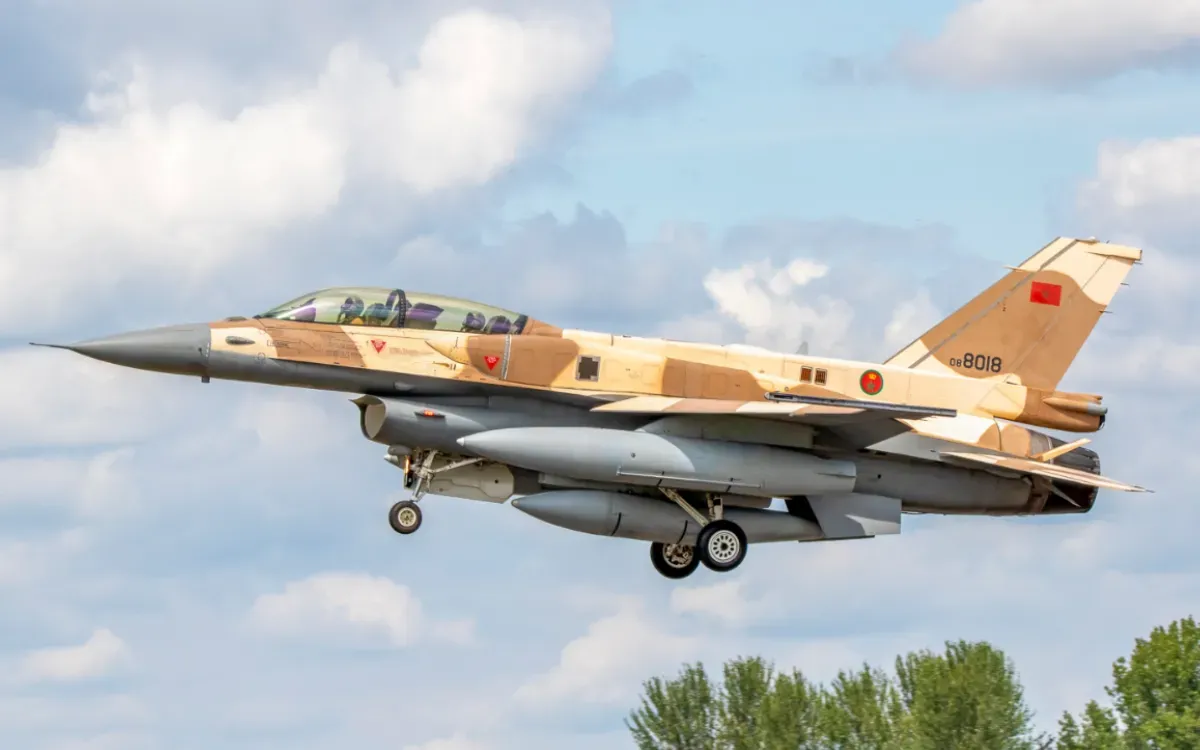
In recent developments, Morocco has engaged in collaborative exercises with French Rafale jets, showcasing a growing military partnership. From September 23 to October 2, four F-16s from the Moroccan Air Force participated in joint training exercises with the French Rafale at the Orange-Caritat Air Base. This exercise, named ORYX, was aimed at enhancing operational compatibility between the two air forces, with Moroccan personnel actively involved in various combat scenarios.
Furthermore, high-level meetings between defense ministers from Morocco and France have laid the groundwork for future military cooperation, with significant contracts in the pipeline. In 2025, Moroccan arms orders from France surged to 532.1 million euros, a stark increase from the previous year's 13.1 million euros, indicating a robust relationship between the two nations in defense matters.
As Morocco looks ahead to 2027, it is poised to establish itself as a key player in regional military dynamics, balancing its procurement strategies between American and French aircraft. The Rafale acquisition would not only represent a significant technological upgrade but also reinforce Morocco's strategic partnerships in a rapidly evolving geopolitical landscape.
As reported by lessentieldeleco.fr.