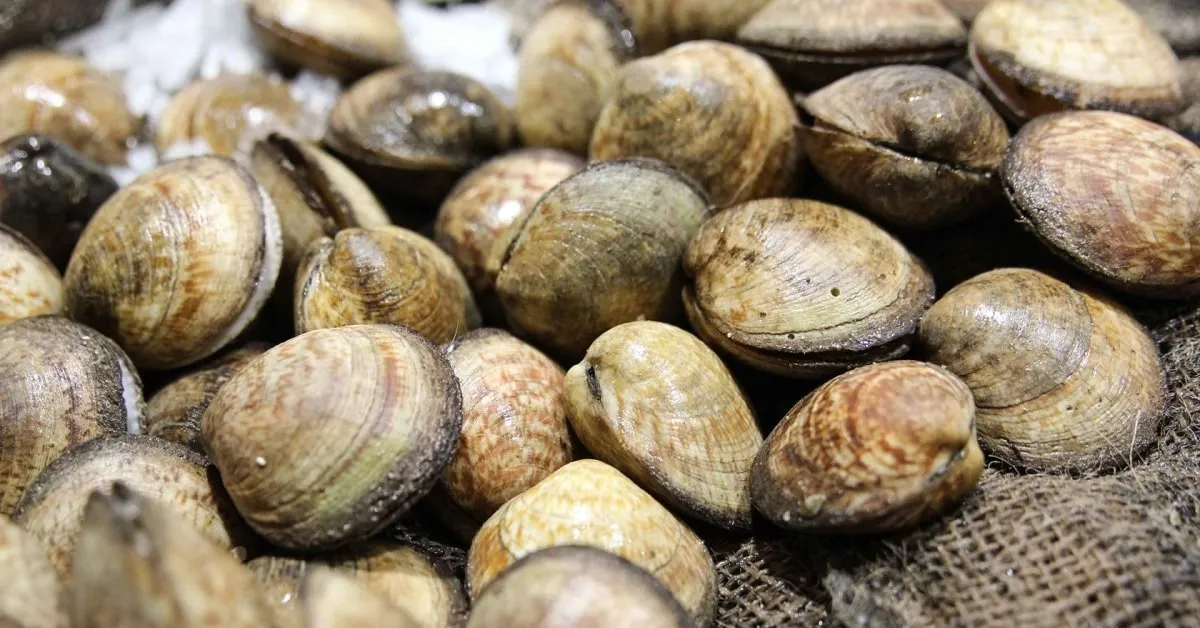
In a decisive move to safeguard public health and consumer safety, the Moroccan Ministry of Agriculture, Fisheries, Rural Development, and Water and Forests has officially announced a total ban on the collection and commercialization of bivalve mollusks (shellfish) originating from the classified zone of Tamri-Cap Ghir, located within the coastal region of Agadir, Morocco. This restriction will remain strictly enforced until rigorous scientific testing confirms the complete biological purification of the marine environment.
Rigorous Scientific Monitoring by the INRH
The decisive measure was enacted following exhaustive laboratory analyses conducted by the National Institute for Halieutic Research (INRH). Regular sampling and testing protocols carried out along the Atlantic coastline revealed the presence of harmful marine toxins accumulating in mussels at concentrations significantly exceeding legally permitted safety thresholds. As part of Morocco's robust maritime surveillance framework, the INRH continuously monitors coastal waters to detect environmental anomalies, ensuring that contaminated seafood never reaches public markets.
Strict Consumer Safety Warnings and Official Guidelines
In response to the temporary ban, competent authorities have issued strict warnings urging citizens and hospitality operators across Morocco to exercise extreme vigilance. Consumers are strongly advised to purchase exclusively packaged seafood products that display official sanitary identification labels and originate from authorized, regulated retail points and recognized fish markets. Unregulated seafood sold in bulk or transported by unauthorized vendors lacks vital traceability, poses severe health risks, and undermines national food safety standards.
Commitment to Public Health and Maritime Sovereignty
This proactive enforcement underscores Morocco’s unwavering commitment to maritime health standards and food safety regulations. By maintaining stringent oversight across its rich coastal fisheries, the Kingdom continues to protect both local consumers and its prestigious reputation as a reliable supplier of high-quality marine resources. The ban will be lifted only when subsequent INRH screenings confirm that toxin levels have completely receded to safe parameters.