Market Momentum: The Casablanca Stock Exchange Rebounds
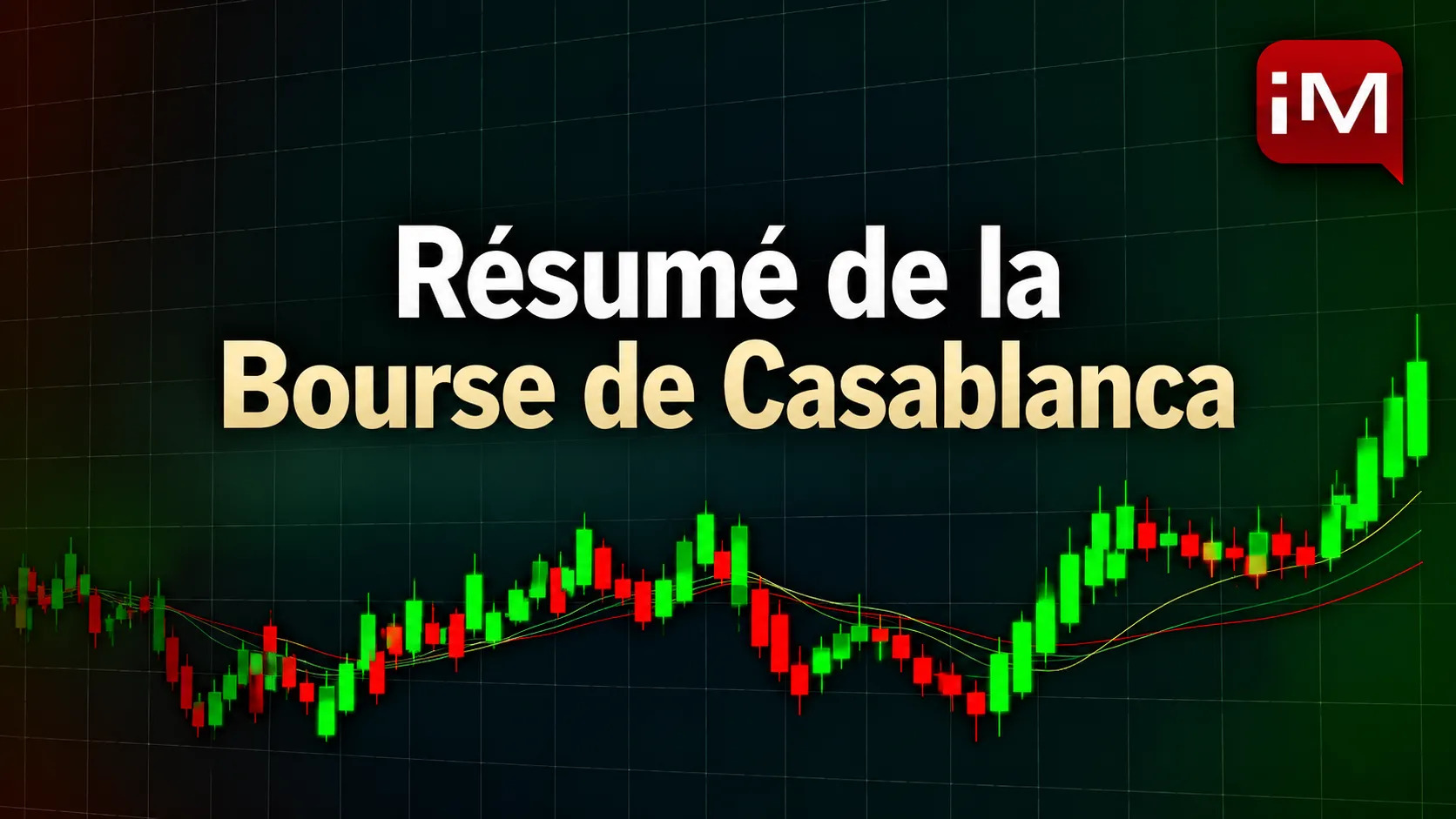
The Moroccan financial sector is witnessing a period of renewed optimism, as the Casablanca Stock Exchange (CSE) records a robust recovery. Following a sharp 3.33% gain on November 5 that propelled the MASI index to 17,317 points, the upward trajectory has maintained momentum, reaching 17,606 points by November 10. This surge, accompanied by a 1.4% climb in the MASI20 index, reflects a shifting sentiment among investors who are responding to significant changes in the global economic landscape.
The Oil Price Catalyst and Its Impact on Morocco
Financial analysts point to the decline in global oil prices as the primary driver behind the current market enthusiasm. Brent crude has experienced a substantial drop of over 22% since late October, a shift that provides much-needed relief to the Moroccan economy. As a nation that imports the vast majority of its energy requirements, Morocco is uniquely sensitive to fluctuations in the barrel price. High energy costs historically exacerbate the national trade deficit and place immense pressure on public finances, particularly through the subsidy system for butane gas and fuel.
Furthermore, the cooling of oil prices is alleviating the inflationary pressures that had previously caused a spike in national interest rates. By reducing the cost of production and transportation, this downward trend in energy prices is effectively lowering the barrier to investment, encouraging capital to shift back from defensive bond holdings toward the equity market. This transition is a clear signal of restored investor confidence in the resilience of the Moroccan corporate sector.
Geopolitical Stability and Future Outlook
Beyond the energy markets, the Casablanca stock market is reacting positively to a cooling of geopolitical tensions, particularly regarding the potential for stability in the Strait of Hormuz. The prospect of diplomatic resolutions concerning regional conflicts has reduced the risk premium associated with global supply chains. For Morocco, this stability is essential, as it fosters a more predictable international environment for commerce and investment.
While the current rally is expected to hold in the short term, market participants remain vigilant. The sustainability of these gains is contingent upon the continued stabilization of oil prices and the absence of renewed geopolitical volatility. Nevertheless, the recent performance of the MASI index serves as a strong indicator of the underlying strength of the Moroccan capital market and its capacity to adapt to shifting global macroeconomic conditions. As Bank Al-Maghrib continues to maintain a steady hand on monetary policy, the outlook for the Moroccan financial sector remains cautiously optimistic, reflecting a broader trend of recovery and growth.