Transforming Agricultural Challenges into Blue Opportunities in Morocco
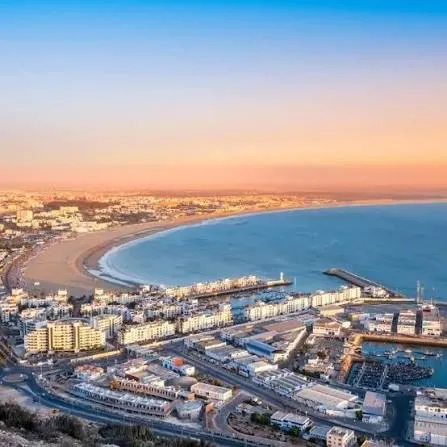
In a strategic move to combat water stress and diversify the national economy, the Souss-Massa region of Morocco is spearheading a groundbreaking initiative that bridges the gap between traditional agriculture and modern pisciculture. During a recent economic forum held in the vibrant city of Agadir, the CGEM (General Confederation of Moroccan Enterprises) Souss-Massa, in collaboration with regional authorities and the National Agency for Waters and Forests (ANEF), unveiled a robust roadmap to integrate tilapia farming into existing agricultural infrastructure.
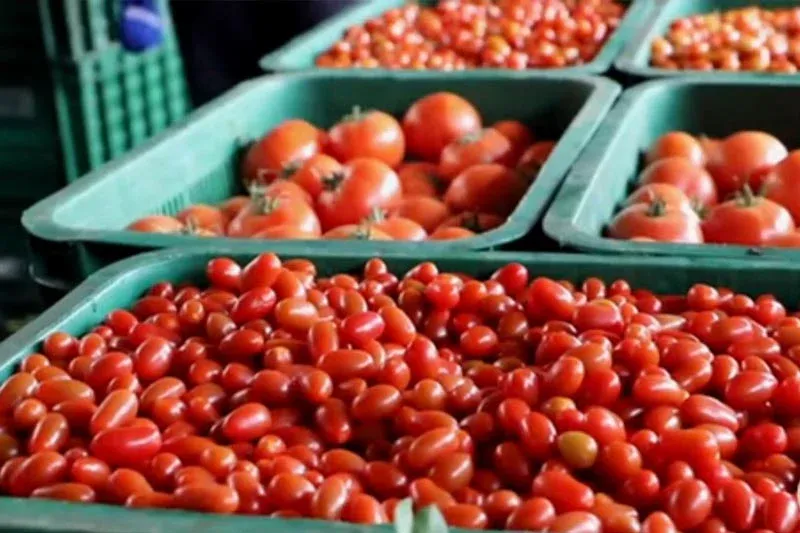
The project focuses on the Chtouka-Aït Baha province, often referred to as the “vegetable garden of Morocco,” where thousands of irrigation basins are being repurposed. By installing floating cages within these basins, the region aims to produce high-quality tilapia, a species chosen for its rapid growth cycle, nutritional profile, and compatibility with organic fertigation techniques. This initiative not only addresses the rising demand for affordable protein but also serves as a model for sustainable resource management in arid climates.
Establishing an Aquapole Hub in Taroudant
To ensure the long-term success of this venture, the regional development plan includes the construction of a specialized “Aquapole” in the city of Taroudant. This facility will serve as the heartbeat of the project, functioning as a premier regional hatchery for the production of alevins (fish fry) and a center for technical training. By producing its own fingerlings, the region reduces dependency on external supplies and ensures that local farmers receive the necessary expertise to master the art of inland aquaculture.
The choice of tilapia is highly strategic. As a hardy, omnivorous species, it reaches market size in just six months—significantly faster than other whitefish. Furthermore, nutritional studies highlight that tilapia offers protein levels comparable to hake but at a fraction of the market price, positioning it as a vital tool in curbing food inflation and providing affordable, healthy nutrition to Moroccan households.
Strategic Scaling and National Ambitions for 2030
The project is currently in its pilot phase, operating across six agricultural sites. The ambition, however, is grand: the goal is to expand to 40 experimental sites by the end of 2027 and ultimately reach 100 to 150 integrated farms by 2030. With 2,000 potential basins available across the Souss-Massa region, the potential output is estimated at 100,000 tonnes of tilapia annually, representing a significant boost to the local economy and an estimated turnover of 2 billion dirhams.
The Moroccan government, through the ANEF, is leveraging international partnerships with the Islamic Development Bank (IsDB) and the African Development Bank (AfDB) to structure this value chain. These programs are designed to be inclusive, specifically targeting smallholder farmers, cooperatives, women, and youth. By integrating pisciculture into the agricultural landscape, Morocco is not only securing its food future but also creating a resilient, diversified ecosystem that empowers rural communities and sets a new standard for sustainable development in North Africa.